Hyundai’s Ioniq 3 Debut, Extended ICCU Warranty, and EV Developments Dominate the Spotlight
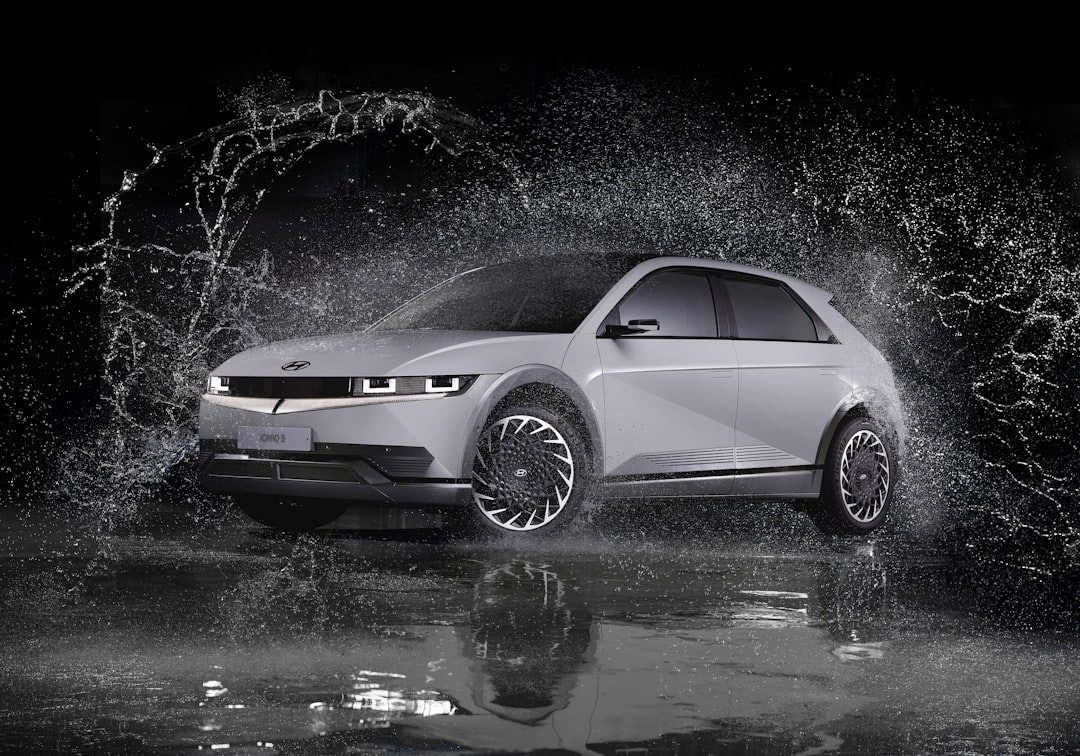
Hyundai debuts the sporty Ioniq 3 hatchback, extends ICCU warranty, while CATL's new batteries and Mercedes' electric C-Class illustrate the EV race's rapid pace.
This week in the world of electric vehicles (EVs), Hyundai captured headlines with the official unveiling of its Ioniq 3 at the 2026 Milan Design Week. Designed as a sporty hatchback with aerodynamic flair, the Ioniq 3 combines sharp styling with practical performance, setting itself apart from its subcompact crossover sibling, the Kia EV2. Meanwhile, Hyundai's extended ICCU warranty offers a much-needed reprieve for owners facing hardware troubles, underscoring the company’s efforts to address concerns in the growing EV market. These announcements come amid a surge of other innovations and shifts in the EV landscape. Let’s dive into the details.
Hyundai Ioniq 3: Sporty Hatchback with Hot Hatch Aspirations
Hyundai’s Ioniq 3 is the latest addition to the automaker's electric lineup, featuring a sleeker, more aerodynamic design reminiscent of the Veloster and Honda’s iconic CRX. Built on Hyundai's EGMP platform, it shares its underpinnings with the recently released Kia EV2. However, the Ioniq 3 sets itself apart with a long-range version offering an impressive 308-mile range on the WLTP cycle—50 km (31 miles) more than the Kia EV2. The boost in range can be attributed to the Ioniq 3’s refined aerodynamics.
Hyundai is also teasing an N-badged variant of the Ioniq 3, signaling its intention to appeal to enthusiasts looking for a hot hatch alternative. With competitors like the VW ID.4 GTI in its sights, the Ioniq 3’s sporty credentials could broaden its appeal. Although pricing for the Ioniq 3 has yet to be confirmed, its anticipated summer launch suggests further details will emerge soon. Unfortunately for U.S. customers, Hyundai has hinted that the Ioniq 3 is unlikely to be available stateside, focusing on other markets instead.
ICCU Warranty Extension: Relief for Hyundai and Kia Owners
Ongoing failures of the Integrated Charging Control Unit (ICCU) have been a significant issue for Hyundai and Kia EV owners. These critical units, which do far more than manage charging, have been plagued by problems that can cause vehicles to stop charging, fail to start, or require towing to a dealership. Customers have long been frustrated by delayed parts, poor communication, and unresolved complaints.
In response, Hyundai has extended warranty coverage for ICCU replacements in the U.S. to 15 years or 180,000 miles. While this program has been rolling out across global markets since late 2025, its arrival in North America is a notable milestone. Hyundai’s sibling company, Kia, has also confirmed that it will soon launch a similar extended warranty program, though official details are pending. This move aims to restore consumer confidence as both automakers continue to grow their EV portfolios.
CATL’s New Shenxing Battery Tech Raises the Bar
Battery innovation remains a critical factor in EV performance, and CATL’s new third-generation Shenxing LFP battery could redefine charging standards. Unveiled this week, the battery boasts a rapid charging capability: reaching 10 to 98% in approximately 6 minutes and 27 seconds, with a maximum charge rate of 15C. Even in ultra-cold conditions at -30°C, the battery achieves 20 to 98% charge in just 9 minutes.
This leap comes less than a year after CATL’s second-generation Shenxing battery and reflects the company’s aggressive timeline in pushing EV technology forward. CATL has also introduced additional innovations, including the third-generation Qilin NCM battery and a sodium-ion battery set for mass production by 2026. These developments could lead to more affordable and practical EVs, making them accessible to a wider audience.
Mercedes-Benz Unveils an Electric C-Class
Mercedes-Benz joined this week’s EV headlines with its long-anticipated all-electric C-Class. Distinguishing itself from the existing CLA, the C-Class aims for a sportier experience, highlighted by a 360 kW all-wheel-drive system and a sub-4-second sprint to 62 mph.
Depending on the variant, WLTP range estimates reach between 368 and 473 miles, bolstered by a 94-kWh 800V battery capable of rapid charging from 10 to 80% in 22 minutes. Inside, the model offers luxury appointments, including a sky control panoramic roof and the MBUX Hyperscreen, which spans the full dashboard. However, as Mercedes leans further into cutting-edge tech, traditionalists lament the shift away from classic design elements.
Rivian R2 SUV Production Commences
Rivian hit a major milestone this week as it commenced series production of its R2 electric SUV at its Normal, Illinois, facility. The first units, built for Rivian employees, will soon reach customers, with broader deliveries expected by spring. Early buyers will have access to the performance all-wheel-drive variant starting at $57,990, with a base model priced at $45,000 scheduled for late next year.
Broader EV Market Trends: Growth in Europe, Mixed Signals in the U.S.
While European EV adoption continues to soar, U.S. automakers appear to be pulling back. New data from Europe reveals a 51% rise in EV registrations across key markets, with EVs accounting for 22% of all new cars sold in March. Such momentum contrasts sharply with the U.S., where auto industry resistance—possibly influenced by political factors—has hindered EV growth. However, the used EV market is thriving, with record-breaking sales in March.
The Push for Renewable Energy and Policy Impacts
Renewables are increasingly outpacing fossil fuels in addressing new energy demand. Solar, in particular, accounted for 25% of the world’s energy demand growth in 2025, according to the International Energy Agency (IEA). Yet, political roadblocks persist, as demonstrated by attempts to stall wind and solar projects in the U.S., which faced a legal setback this week when a court granted an injunction against proposed restrictions.
Final Thoughts
As EV technology matures and new models like the Ioniq 3 and Mercedes electric C-Class hit the market, challenges remain. Battery innovation promises faster charging and better cold-weather performance, but market dynamics—including consumer confidence, political factors, and infrastructure development—will ultimately shape the future of EV adoption. With Hyundai, CATL, and Rivian driving progress, the race to electrification continues to accelerate.
Staff Writer
Nina writes about new car models, EV infrastructure, and transportation policy.
Comments
Loading comments…


