Why Chinese EVs Are Garnering So Much Interest in the US Despite Import Barriers
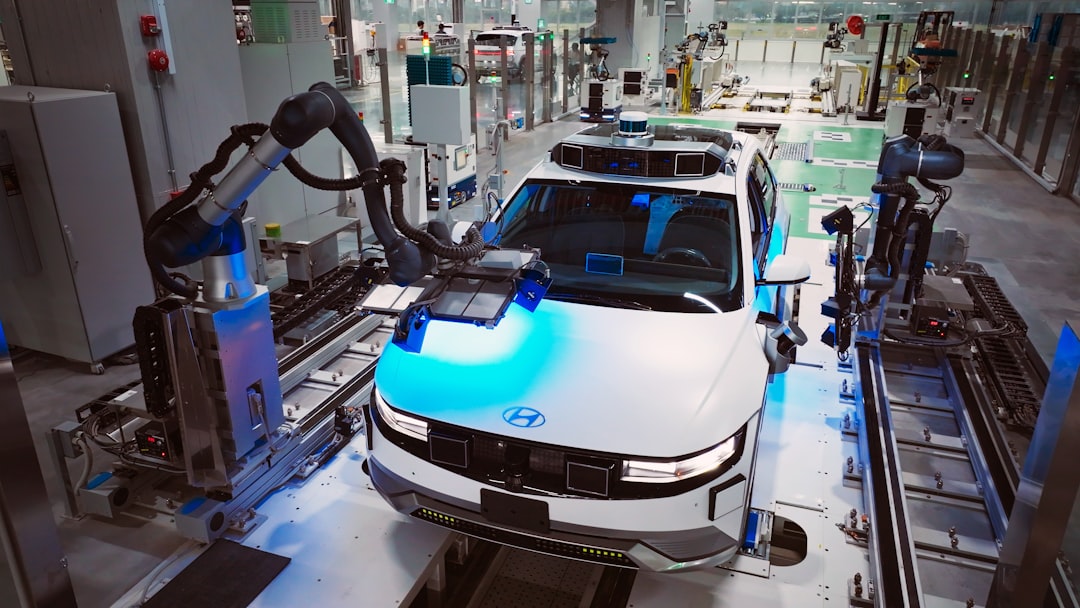
Chinese EVs are attracting attention for their affordability and innovation, but strict US tariffs and regulations block their entry.
Chinese-made electric vehicles (EVs) are rapidly gaining traction on social media platforms in the United States, thanks to their cutting-edge technology, luxurious features, and surprisingly low prices. Yet, despite this growing interest—and a car market hungry for affordable options—import restrictions and hefty tariffs mean these vehicles remain largely inaccessible to American buyers. The situation offers a window into the future of the global auto market and raises key questions about innovation, affordability, and protectionism.
The Allure of Chinese EVs
Videos showcasing Chinese cars like the Xiaomi SU7 or YangWang U8 are becoming viral hits on platforms such as YouTube, TikTok, and Instagram. These clips, often produced by influential American car enthusiasts, highlight the vehicles’ standout attributes: luxury interiors, massaging seats, state-of-the-art software, and starting prices as low as $15,000. With many EVs in China costing less than half the price of similar models in the US, the appeal to inflation-weary Americans is obvious.
In December 2023, tech YouTuber Marques Brownlee reviewed the Xiaomi SU7, referring to it as a game-changer for its price at $42,000, compared to the US average new car price of $50,000. His review amassed over 10 million views, demonstrating the growing interest in these vehicles.
Barriers to Entry
Despite the buzz, Americans cannot purchase Chinese EVs due to two main obstacles: tariffs and regulations. In 2024, the Biden administration implemented a 100% tariff on Chinese EV exports, effectively doubling their price. This was followed in early 2025 by strict national security measures banning vehicles containing technology linked to China. Together, these policies have made it virtually impossible for Chinese automakers to compete in the US market.
These restrictions arise partly from geopolitical tensions and concerns over dependency on Chinese technology. However, they also shield domestic automakers like Ford and GM from having to compete against what many see as superior, better-priced rivals.
How Did China Dominate EVs?
To understand how Chinese companies came to lead the EV game, it helps to look back. For decades, Japanese, European, South Korean, and American automakers dominated the global car market. But in the early 2000s, the Chinese government made EV innovation a national priority. They required Western companies to form joint ventures with local firms, giving Chinese automakers like BYD and Geely unprecedented access to expertise and technology.
Rather than focusing on gas-powered vehicles, China pivoted to electric cars, prompting a surge of investment and entrepreneurial interest. Companies like BYD—initially a battery manufacturer—leveraged this opportunity to develop sophisticated EVs. Others, such as Xiaomi, brought software expertise to the table, leaning into the increasingly tech-heavy nature of modern vehicles.
One factor driving Chinese automakers' success is their extraordinary speed. Reports suggest it takes Chinese firms just 18 months to design, develop, and bring a new car to market. In contrast, traditional manufacturers in the West often take three to five years. This rapid development cycle allows Chinese companies to quickly adapt and refine their designs, frequently borrowing and improving upon innovations from industry leaders like Tesla.
A Divided Global Market
While US policies are keeping Chinese cars out, these vehicles are making significant inroads globally. Chinese brands are expanding quickly in Europe, Southeast Asia, Latin America, and Africa. In Europe—where EV adoption is accelerating—they’ve grown to hold substantial market share, posing serious competition to legacy brands such as Volkswagen.
By contrast, US automakers have been slower to respond. Unlike their European counterparts, who are increasingly collaborating with Chinese firms on EV technology, American companies face more hurdles, including public and political reluctance. This hesitancy could cost them as buyers elsewhere gravitate toward the affordable sophistication of Chinese EVs.
The Economics of EV Adoption in the US
The rising popularity of Chinese EV videos in the US illustrates a growing frustration with America’s car market. At around $50,000, the average new car price has become unaffordable for many, leaving buyers scrambling for alternatives. This sense of frustration is compounded by elevated interest rates and inflation, making the promise of a $15,000 car with luxury features even more appealing.
Critics of current US policy argue that blocking Chinese imports limits consumer choice and fosters higher prices at home. Others suggest US automakers lag in affordability and innovation, contending that some exposure to Chinese competition could drive better options for consumers. However, concerns about quality and long-term reliability remain a wildcard, given the relative youth of EV technology.
What the American Auto Industry Can Learn
Chinese automakers’ success goes beyond low costs. Their ability to quickly integrate advanced features, innovate in manufacturing (like Tesla-inspired mega castings), and prioritize software-driven functionality has drawn praise from even their Western competitors. Analysts observe that Chinese firms frequently improve upon industry standards, innovating not just in speed but in process efficiency.
Increasing collaboration with Chinese firms could help US automakers catch up. This might take the form of technology licensing agreements or joint ventures, which could bring cutting-edge methods to US factories and help lower prices. However, navigating this approach is politically fraught, given national security concerns.
The Future of EV Competition
Even though Chinese EVs are barred for now, their presence on social media continues to influence consumer perceptions. Many Americans are impressed not just by the cars themselves but by the stark price disparity. For US automakers, the message is clear: they must find ways to deliver affordable, high-quality EVs—or risk losing out to international competitors.
This growing interest is a wake-up call for both policymakers and the US auto industry. If they fail to address frustrations over affordability and lagging innovation, the allure of Chinese EVs will only grow stronger, leaving traditional manufacturers and lawmakers under increasing pressure to adapt. In the broader context, the ability to compete with China’s efficiency and rapid innovation may well determine the future shape of the global auto industry.
Staff Writer
Mike covers electric vehicles, autonomous driving, and the automotive industry.
Comments
Loading comments…


