Interest in electric vehicles surges in Canada amid rising gas prices
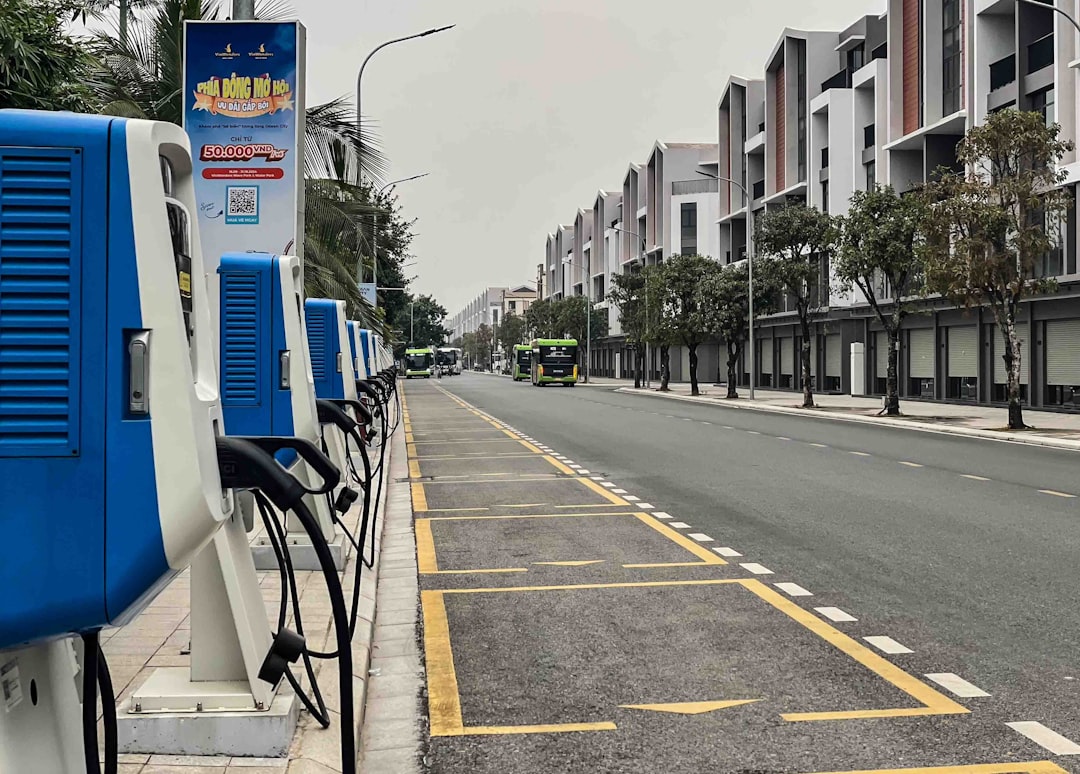
New data shows a jump in EV interest and sales in Canada, driven by soaring gas prices and federal incentives.
As gas prices continue to climb across Canada, interest in electric vehicles (EVs) is seeing a notable resurgence. After years of plateauing adoption rates tied to concerns around affordability and charging infrastructure, new data suggests Canadian consumers are warming up to the idea of EVs as a viable alternative to traditional gas-powered cars.
Spike in EV Searches and Sales
According to a recent AutoTrader survey, 49% of Canadian non-EV owners would consider an electric car for their next purchase. This marks a solid upward shift from earlier years when fewer drivers leaned towards electric options. Supporting these findings, the online used car retailer Clutch reported a staggering 94% increase in EV-related searches over the past two months. Sales of EVs through Clutch have experienced an extraordinary rise of over 5,000% during the same period.
What's driving this shift? One major factor appears to be the skyrocketing gas prices. Clutch representatives explain that gas prices have surged more than 30% in recent months, mirroring a pattern observed in March 2022 during the outbreak of the Russia-Ukraine conflict. With gas becoming increasingly expensive, Canadian drivers are actively exploring electric options that offer significant fuel cost savings.
Federal Incentives and Falling Prices
Another critical element reshaping EV adoption trends is the reintroduction of substantial federal incentives. Government programs aimed at offsetting EV costs, paired with a renewed focus on developing charging infrastructure nationwide, are catching consumer attention. As one respondent in the AutoTrader survey noted, infrastructure improvements are crucial to enabling widespread EV adoption, especially in provinces like Atlantic Canada.
Price reductions in the EV market are further tipping the scales. The average pricing for sought-after EV models has dropped significantly. For instance, a used Tesla Model 3 can now be found for approximately $28,500, while a Nissan Leaf averages around $16,000, and a Chevrolet Bolt is priced just under $20,000. This affordability is key to reaching a broader demographic of buyers who previously considered EVs out of budget.
Environmental Concerns vs. Practical Barriers
For many Canadians, the environmental benefits of EVs remain a strong motivator. As a resident interviewed in Halifax put it, the appeal is less about escaping high gas prices and more about reducing environmental impact. However, other consumers remain hesitant, pointing out challenges like insufficient charging infrastructure across certain regions and concerns about upfront costs compared to long-term savings.
Surprisingly, region-specific data from AutoTrader reveals that Atlantic Canada’s interest in EVs has remained relatively static compared to provinces such as Ontario and British Columbia. Analysts suggest this could change depending on the length and impact of global geopolitical disruptions, especially if energy costs continue to rise.
What’s Next for EV Adoption?
With gas prices unlikely to stabilize in the near term and the federal government investing in EV infrastructure, conditions might be ripe for a more sustained increase in EV ownership in Canada. However, broader adoption will likely require continued focus on scaling affordable options and ensuring a robust charging network to support rural and urban drivers alike.
Canada’s EV market mirrors global trends, where the momentum for sustained adoption hinges on cost, convenience, and technology-driven advancements. While the journey toward a fully electrified vehicle market still has miles to go, the newfound surge in interest suggests a significant turning point. Whether driven by financial, environmental, or technological factors, Canadians appear ready to take their place in the growing global EV landscape.
Staff Writer
Mike covers electric vehicles, autonomous driving, and the automotive industry.
Comments
Loading comments…


