Soaring gas prices fuel interest in electric vehicles
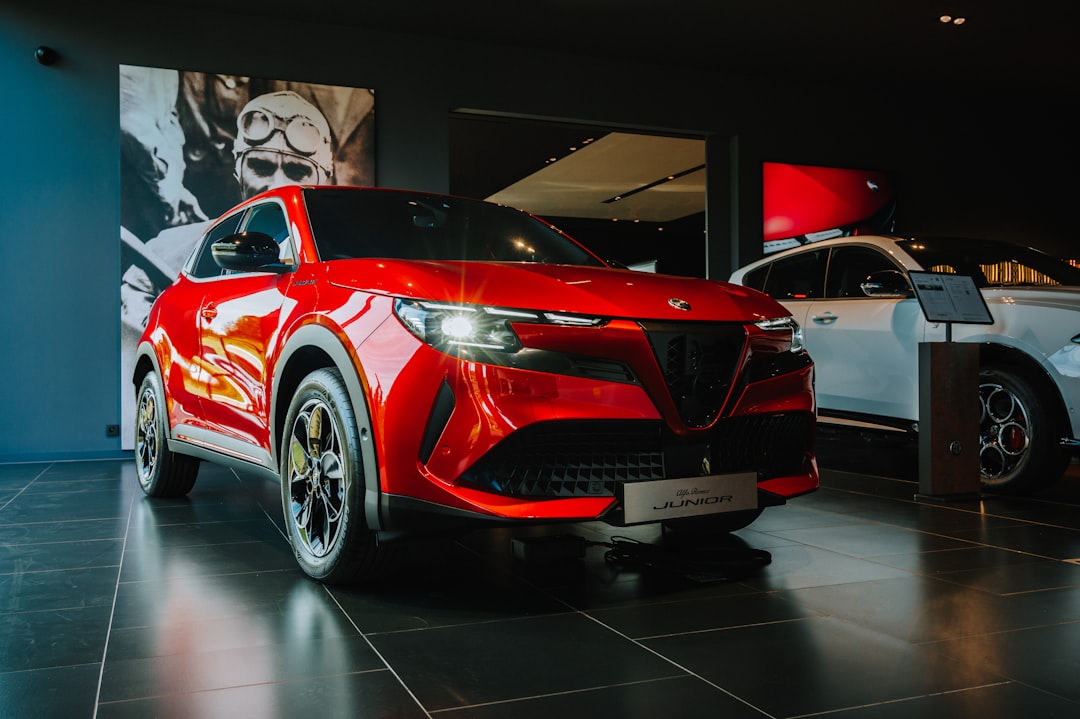
Rising gas prices are driving a surge in electric vehicle interest, with a 25% jump in EV dealership traffic as buyers weigh the cost benefits.
As gas prices continue to climb, the ripple effect is being felt across the automotive market. Electric vehicle (EV) dealerships, once viewed as niche players, are now witnessing a noticeable surge in foot traffic, as drivers increasingly consider alternatives to internal combustion engines. In Farmington, an EV auto outlet called Electric Car Corner has seen customer interest increase by 25%, according to its President and CEO John Iannone.
Gas Prices Push Drivers Toward Change
The ongoing spike in gas prices, partly driven by geopolitical tensions that have removed 20% of the world’s oil supply from the market, has made electric vehicles a much-discussed option. The economics of EVs are a significant draw. Iannone points out that operating an electric car costs far less than a gasoline-powered vehicle. Specifically, EVs consume energy at a rate of about 4 to 5 cents per mile, compared to traditional cars, which cost roughly 14 to 15 cents per mile. Maintenance costs are also notably lower for EVs, as they have fewer moving parts and don't require oil changes. "Very, very, very few repairs," noted Iannone, emphasizing the cost-efficiency over the long term.
Growth in National Sales and Value of EVs
While the Electric Car Corner is seeing this trend on a local scale, the shift toward EVs is mirrored nationally. According to Iannone, the value of EVs rose by 8% year over year as more consumers find them suitable for daily driving needs. He predicts a dramatic increase in EV adoption over the next three to five years.
This optimism is rooted in the growing awareness that EVs are not just environmentally friendly but increasingly practical. The advancements in battery longevity and the proliferation of charging stations are helping overcome earlier concerns about range anxiety, making EVs a viable choice for more drivers.
Skepticism Remains for Long-Distance Drivers
Despite growing interest, some consumers remain hesitant about transitioning fully to EVs, particularly those who frequently undertake long road trips. Deborah and Michael Woodruff, interviewed while filling up their pickup truck, expressed concerns about an EV's ability to match their travel needs. "We travel to Florida, and to have an EV car, it would take us a long time to get there," said Deborah Woodruff, highlighting the current limitations of EVs in terms of charging infrastructure for cross-country travel.
Her husband Michael voiced openness to hybrid solutions, saying, "The only way I would consider anything EV would be if it was a hybrid." For families like the Woodruffs, plug-in hybrids represent a middle ground, combining the efficiency of electric power for short trips with the convenience of a gasoline engine for longer distances. Iannone underscored that hybrids remain part of the offerings available to help consumers transition away from traditional gasoline vehicles.
The Broader Shift in Consumer Behavior
The rise in EV curiosity speaks to a broader shift in consumer habits driven by economic pressures. As sticker shock continues at the pump, buyers are exploring ways to insulate themselves from volatile fuel costs. Even for those who don't make immediate purchases, being "EV curious" represents the first step in a longer decision-making process. These prospective buyers are taking the time to learn about EVs, compare costs, and evaluate whether the available models suit their lifestyles.
Industry experts believe this shift will accelerate as more automakers commit to phasing out internal combustion engines over the next decade. The market is also benefitting from a wider array of options, with EVs now available across various price points, battery sizes, and ranges.
Challenges Ahead for EV Adoption
However, challenges remain for the mass adoption of electric vehicles. The upfront cost of EVs, though narrowing, can still be a barrier for some buyers. Additionally, the availability and distribution of charging stations continue to be a pain point, particularly in rural and suburban areas.
Another hurdle is the education gap. Many potential buyers remain unfamiliar with how EVs work, their real-world performance, and the long-term benefits they offer. Dealerships like the Electric Car Corner are playing a critical role in bridging this gap by engaging with curious consumers and helping them make informed decisions.
Looking Ahead
John Iannone predicts that the sector will see a dramatic increase in adoption within the next three to five years. For now, rising gas prices are accelerating the timeline for many drivers who were already considering transitioning to electric. Whether through fully electric or hybrid options, the shift away from gas-powered vehicles appears to be well underway.
The coming years will determine how infrastructure, technology, and consumer awareness evolve to support this growing demand. For now, dealerships and manufacturers alike are focusing on solutions that address affordability, range, and convenience—key factors in ensuring EVs can win over even the skeptics.
Staff Writer
Mike covers electric vehicles, autonomous driving, and the automotive industry.
Comments
Loading comments…


