Kfz tax exemption for electric cars extended until 2035
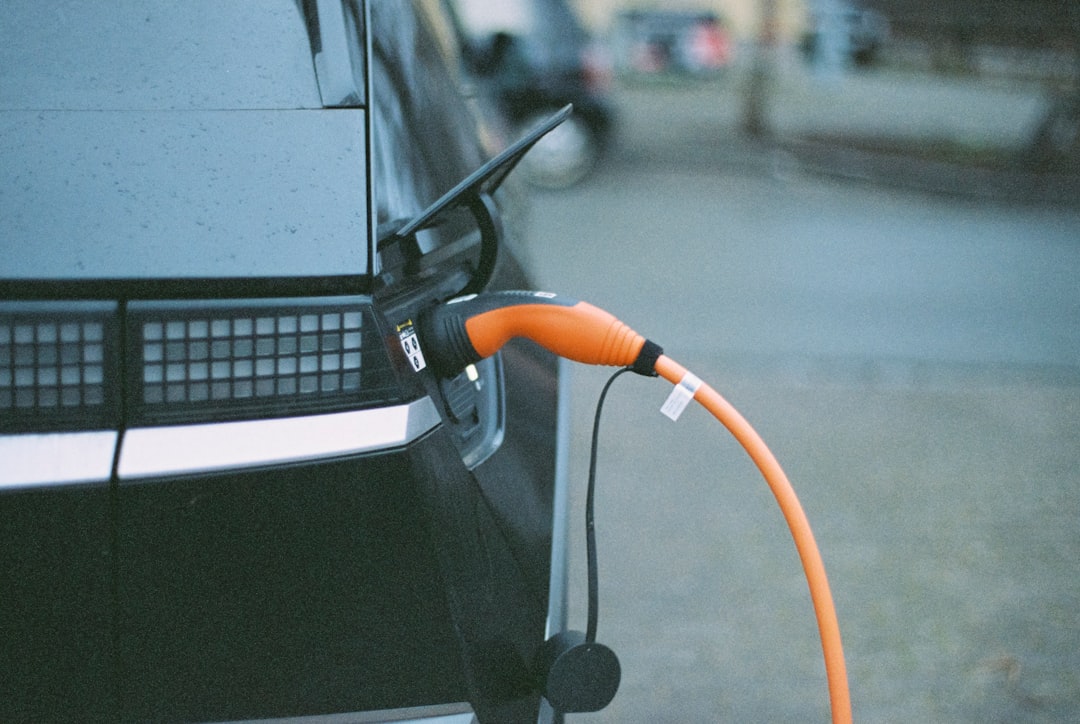
Electric vehicle owners can rejoice as the Kfz tax exemption for fully electric cars has been extended until the end of 2035.
Electric vehicle (EV) owners in Germany have received some welcome news: the government has extended the Kfz (motor vehicle) tax exemption for fully electric cars. The updated policy now provides tax-free operation for eligible EVs through the end of 2035. This extension underscores Germany's commitment to fostering a transition to cleaner and more sustainable transportation options.
The extension applies exclusively to fully electric vehicles. Hybrid models, plug-in hybrids, and other non-electric vehicles do not qualify for this tax break. By eliminating the Kfz tax for EVs, the government aims to address the higher upfront purchase costs often associated with these vehicles, making them more accessible and financially viable for more consumers.
The policy is anticipated to encourage a broader adoption of electric vehicles, which play a key role in reducing greenhouse gas emissions and meeting Germany's climate goals. By maintaining financial incentives for EV adoption, the government also aligns with its broader strategy to phase out internal combustion engines and expand electric mobility infrastructure within the country.
Though specific implementation details and any potential conditions for eligibility were not outlined in the announcement, the decision has been lauded by environmental advocates and automotive industry players alike. Many see the tax exemption as a critical tool in driving market adoption while signaling Germany's intent to remain at the forefront of transportation electrification.
For EV owners or those considering the switch, the extended tax benefit offers long-term financial savings. With a clear timeline extending to 2035, buyers can make more confident investment decisions, knowing they will be supported by favorable policies for over a decade.
While this tax break is a major incentive, it is just one of many measures Germany has employed to promote electric mobility. Subsidies, grants, and expanding the charging network have all been part of a comprehensive approach to transitioning towards a sustainable automotive future.
This latest announcement may push neighboring countries to evaluate their EV policies to stay competitive in the growing electric vehicle market. With Europe vying for leadership in the global shift towards sustainable transportation, Germany's approach sets a benchmark for balancing industrial innovation and environmental responsibility.
Staff Writer
Nina writes about new car models, EV infrastructure, and transportation policy.
Comments
Loading comments…


