Lexus GX 550: A Year in Review — Should You Buy It?
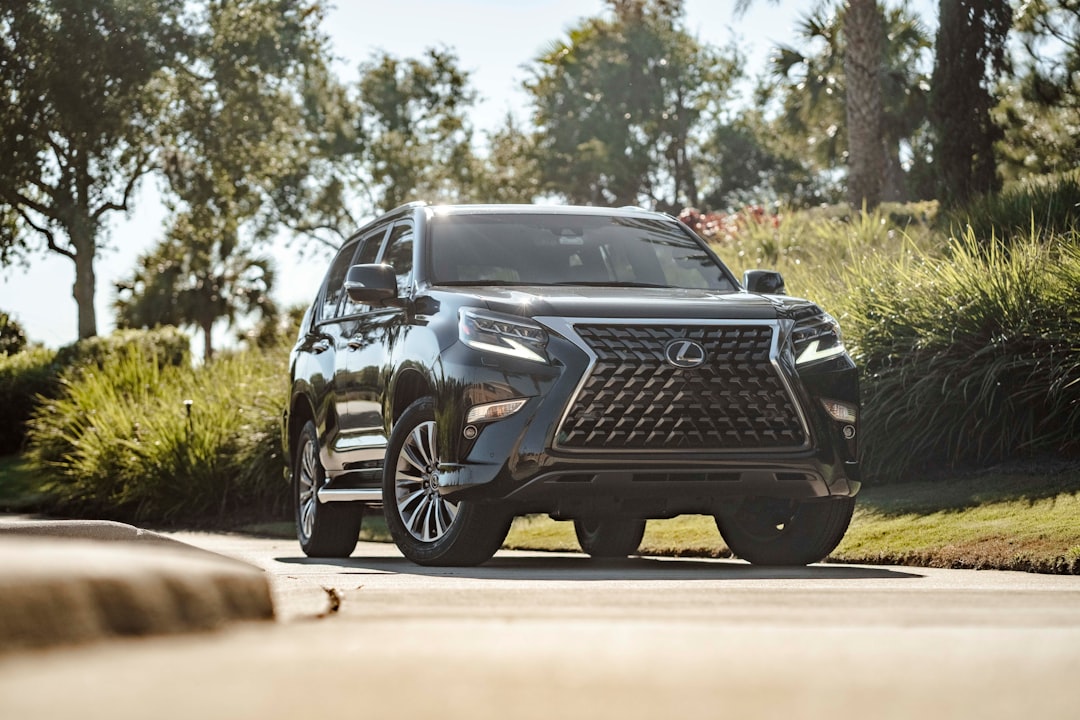
After 12 months and nearly 27,000 miles, here's a detailed analysis of the Lexus GX 550. Its value retention, off-road capability, and drawbacks explained.
After a year-long test that saw nearly 27,000 miles of driving across a range of conditions, the Lexus GX 550 has proven itself to be one of the most charismatic SUVs in the market today. But is it the right vehicle for you? Here’s a detailed breakdown of the pros, cons, and costs of owning the GX 550, along with some context for prospective buyers.
Trim Levels and Pricing
The Lexus GX 550 comes in multiple trim levels, reflecting whether your priorities lean toward off-road capability or luxury. The off-road-focused Overtrail and Overtrail Plus trims start in the mid-$70,000 range and can exceed $85,000 with additional features. The fully equipped Overtrail Plus model tested carried an MSRP just under $90,000, including premium options like massaging seats and the Mark Levinson high-end audio system.
On the other hand, the luxury trims, which include a third-row seat for added capacity, cater to buyers seeking a refined, comfortable ride for urban and suburban environments. Unlike the Overtrail models, these trims are not as off-road capable but still offer the distinct rugged appeal of a body-on-frame SUV.
The current market for the GX 550 reflects its high demand and exclusivity. Residual values are exceptionally strong, with owners reportedly retaining over 90% of the vehicle's value after two years. This impressive resale market can be attributed to limited availability, with six-month waiting lists becoming the norm. However, this high demand means premium pricing from dealers and limited room for negotiation.
Ownership Costs and Maintenance
One critical aspect of ownership is understanding the service and maintenance expenses. Lexus dealers often charge a premium for service, with oil changes priced around $200 for this model and major services, like fluid replacements and plug changes, due at 60,000 to 80,000 miles. However, many Toyota dealers offer lower service rates for Lexus vehicles, and opting for these can help cut costs without voiding warranties or maintenance claims.
Fuel economy, however, is less forgiving: lifetime averages hover around 16.5 mpg, with long highway drives only slightly improving the figure to around 18 mpg. Combined with a relatively small fuel tank, this is not the SUV for anyone prioritizing efficiency.
Interior Design: Pros and Cons
Inside the GX 550, you’ll find a mix of traditional Lexus luxury and practical design. The trunk offers vast storage capacity, making it a good choice for long trips or outdoor adventures. However, the usability of the interior leaves something to be desired. Door pockets are small, limiting space for larger items like water bottles or personal accessories. Rear doors also don’t open wide enough to make installing car seats straightforward, which could be an inconvenience for families.
On the technology front, Lexus integrates a thoughtful mix of physical buttons and touch controls, ensuring that most systems and features are intuitive. The subscription-based safety suite, especially the Traffic Jam Assist function, is a big plus for those frequently stuck in urban congestion. The optional Mark Levinson audio system impresses with its sound quality, though some road and wind noise—common in body-on-frame SUVs—does persist.
Driving Characteristics
Body-on-frame SUVs like the GX 550 have long been known for their ruggedness rather than on-road refinement, and this model sticks to that formula. While it’s comfortable and more nimble than expected for its size, the GX 550 doesn’t offer the smooth, refined ride you’d find in unibody luxury SUVs like the BMW X5 or Acura MDX.
On highways, the GX handles well enough, and its off-road credentials are unquestionable. If towing is part of your lifestyle, this is where the GX shines—able to haul up to 9,000 pounds. However, the driving experience is marred by noticeable head toss, road noise, and the occasional bounciness characteristic of similar body-on-frame designs. The twin-turbocharged V6 engine, while reliable so far, lacks the “charisma” and responsiveness of luxury brands’ higher-output options.
Strengths That Stand Out
The GX 550 has one undeniable advantage: it holds its value better than nearly all of its competitors. While other luxury SUVs depreciate rapidly, the GX 550’s resale values remain robust. This isn’t a disposable vehicle; instead, it’s one that you can own and rely on for many years. Combined with Lexus/Toyota’s reputation for long-term durability and ease of servicability, it's an appealing package.
This SUV also excels in rugged environments. Michigan winters and snowy, salted roads during testing revealed the GX’s reliable undercarriage and resistance to corrosion. While some steel components showed minor wear, its overall build quality surpassed expectations for such conditions.
Trade-Offs to Consider
However, the GX 550 isn’t for everyone. Buyers who prioritize on-road comfort, modern design, and fuel efficiency may be better served by unibody SUVs, which provide superior ride quality and interior refinement. The GX, while charismatic, feels dated in certain aspects, particularly when compared to segment rivals like the Audi Q7 or Mercedes-Benz GLE.
Noise levels are another drawback. Despite its luxury branding, the GX offers only average sound insulation—wind and road noise, particularly from the all-terrain tires, is a consistent presence. In terms of connectivity and infotainment, while the GX’s system gets the job done, it lacks some of the polish and innovation seen in European competitors.
Final Verdict: Who Should Buy the GX 550?
If you’re looking for a luxury SUV to handle towing, off-roading, or severe weather conditions, the GX 550 is one of the best options available in 2024. Its value retention, reputation for reliability, and rugged appeal make it a standout choice for buyers seeking a durable and versatile vehicle. However, those who don’t need off-road capability or who expect a whisper-quiet luxury ride may want to look elsewhere.
For prospective owners, it’s also worth considering the long-term practicality of this model. The GX is as much an investment in dependable engineering as it is a tool for specific use cases. While the cost of ownership can be significant, from fuel expenses to dealer service premiums, the trade-off in reliability and resale value may well justify it.
For those who know exactly what they need—a sturdy, charismatic body-on-frame SUV with a high towing capacity—the Lexus GX 550 delivers. But for anyone considering a luxury SUV purely for commuting or city living, this may not be the best fit.
This marks the conclusion of a year-long test of the GX 550. Whether or not this truck is right for you depends on your priorities, but for the right buyer, it’s clearly a standout choice in its category.
Staff Writer
Mike covers electric vehicles, autonomous driving, and the automotive industry.
Comments
Loading comments…


