Tesla Semi-truck set to hit the roads this summer, promising cost savings and sustainability
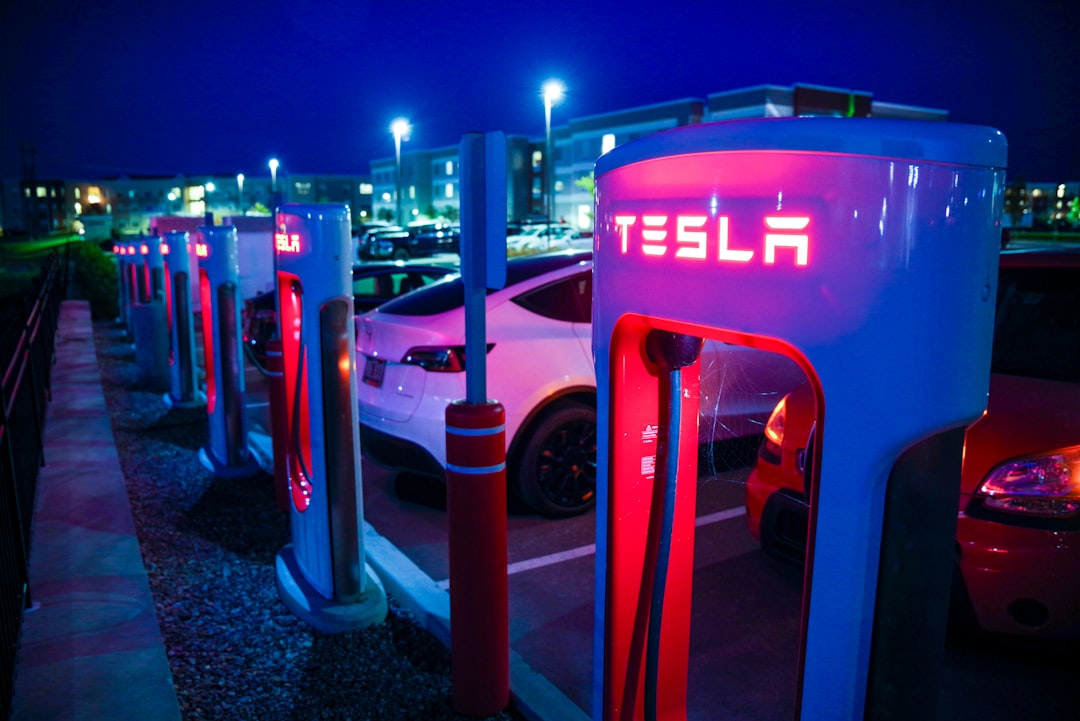
Tesla's electric semi-trucks are expected to launch this summer, offering lower operating costs, advanced safety features, and zero emissions to revolutionize the freight industry.
After years of anticipation, Tesla’s Semi-truck rollout appears to be just around the corner. According to recent updates, these fully electric, heavy-duty vehicles are set to hit U.S. roads as early as this summer. Tesla CEO Elon Musk has highlighted the Semi's advantages, describing it as safer, faster, and more cost-efficient than traditional diesel trucks. The Tesla Semi aims to revolutionize the freight transport industry with significant advancements in sustainability, operational costs, and driver experience.
Major cost savings for operators
One of the most compelling aspects of the Tesla Semi is its promise of substantial cost savings over traditional diesel-powered trucks. Based on current fuel prices in California, driving 500 miles in a diesel semi-truck costs approximately $520, assuming a diesel price of $7.66 per gallon. In contrast, the Tesla Semi is estimated to complete the same trip on a single charge for just $275 in electricity costs—nearly half the expense of diesel. This cost efficiency could make Tesla Semis highly attractive to large logistics fleets focused on cutting operating expenses.
DHL, one of the first adopters of Tesla’s technology, views this as a crucial factor in achieving its sustainability goals. The company plans to make 30% of its heavy-duty fleet fully electric by 2030. Although the upfront price of the Tesla Semi is roughly $300,000—50% higher than a traditional diesel truck—DHL executives believe the reduced costs from fuel savings and lower maintenance will offset the premium.
Advanced infrastructure: Mega-charging network
Tesla is not only launching an innovative product but also building the infrastructure to support it. The company plans to establish a nationwide network of Mega-chargers across North America. These charging stations are designed to recharge the Semi’s battery at an unprecedented speed. For instance, drivers could recharge 60% of the battery in just 30 minutes, ensuring minimal downtime. This capability extends the Semi’s range beyond its baseline 500 miles, making long-haul transportation more feasible for early adopters.
Driver-friendly features and enhanced safety
The Tesla Semi introduces several features aimed at improving the experience for truck drivers while enhancing safety. It integrates massive windows and ten exterior cameras, providing a complete 360-degree view that eliminates blind spots, a significant hazard in traditional trucks. Furthermore, drivers benefit from the all-electric build, which reduces typical nuisances like cabin vibrations and engine noise. For those accustomed to spending long hours on the road, the elimination of diesel fumes is another transformative benefit.
Drivers testing the Tesla Semi have noted how the vehicle garners attention on the road. One driver remarked that the futuristic design turns heads and often leads to curious motorists slowing down to snap photos. Beyond aesthetics, these trucks represent a step forward in combatting issues like driver fatigue and health conditions tied to prolonged diesel exhaust exposure.
Addressing high upfront costs
While the Tesla Semi is priced at $300,000—significantly more than a conventional diesel truck—its proponents argue that the lifetime costs are what matter. With virtually no fuel costs and reduced mechanical maintenance (thanks to the absence of an internal combustion engine), companies could realize considerable savings over time. Tesla claims that the Semi can lower the total cost of ownership enough to justify its initial expense, particularly for businesses operating large fleets.
Industry impact and future outlook
The freight and logistics sector, responsible for significant greenhouse gas emissions, has been keen on finding more sustainable alternatives in recent years. Tesla's foray into the heavy-duty truck market is a direct answer to calls for less polluting solutions. By combining lower operating costs with zero emissions, the Semi could encourage other manufacturers to accelerate their shift toward cleaner technologies.
DHL’s adoption of the Tesla Semi also signals a broader industry shift toward sustainability. Their target of electrifying 30% of their heavy-duty fleet by 2030 aligns with growing environmental regulations and corporate commitments to reduce carbon footprints. As Tesla’s Mega-charging network expands, the Semi’s potential to replace diesel fleets at scale becomes increasingly realistic.
Challenges ahead
While the Tesla Semi shows tremendous promise, its adoption faces several hurdles. High upfront costs may dissuade smaller operators from transitioning to electric vehicles immediately. Additionally, the Mega-charging infrastructure must be extensive and reliable to support long-haul trucking, especially in rural areas where charging stations are sparse.
Another obstacle may be production capacity. Tesla has experienced bottlenecks in scaling up manufacturing for past products, including its Model 3 sedan. Meeting demand for the Semi while building out the Mega-charging network will be a test of Tesla’s ability to execute on multiple fronts simultaneously.
Transforming the trucking landscape
Elon Musk’s vision for the Tesla Semi underscores his broader goal of transforming industries through sustainable technology. If the Semi’s benefits in cost efficiency, safety, and maintenance hold up under real-world conditions, it could trigger a paradigm shift in trucking logistics. For fleet operators and logistics companies, the potential long-term savings could justify the significant upfront investment. Meanwhile, Tesla’s continued innovation could spur competition in the electric truck market, ultimately accelerating the transition to cleaner freight transport worldwide.
Staff Writer
Mike covers electric vehicles, autonomous driving, and the automotive industry.
Comments
Loading comments…


