Students in Ghana Unveil Self-Charging Electric Car, Redefining African Innovation
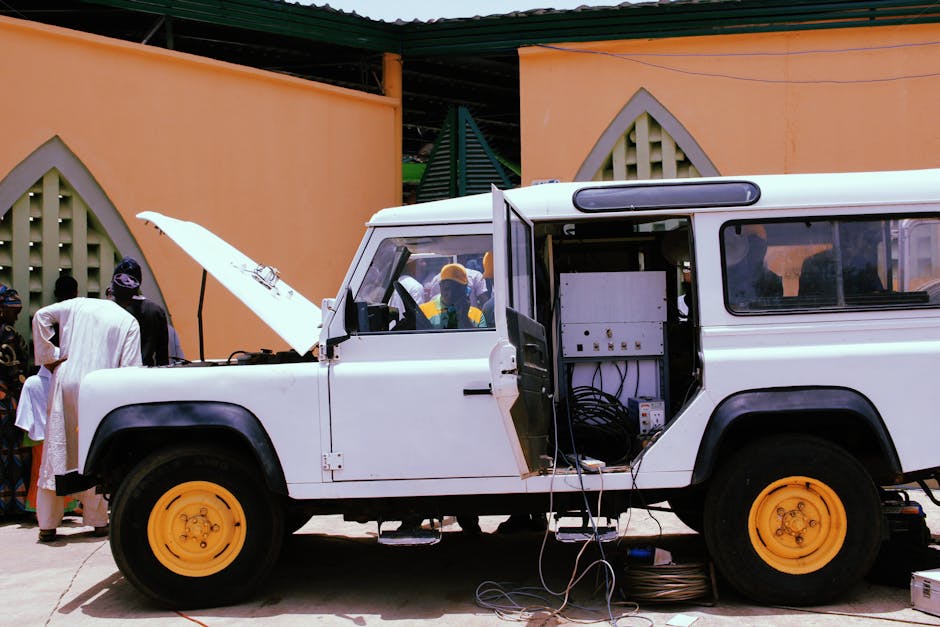
Students at Kumasi Technical University in Ghana have developed a self-charging electric car, a landmark achievement showcasing local innovation and talent.
In a groundbreaking achievement for Ghana and Africa, students from Kumasi Technical University (KTU) have unveiled a self-charging electric car. This accomplishment, driven entirely by local talent, is being hailed as a milestone in African technological innovation. The car, featuring regenerative energy technology, was revealed at a public event attended by dignitaries and university leaders.
A Technical Leap for Ghana
What makes this vehicle extraordinary is its regenerative design that allows it to charge itself while in motion. Unlike traditional electric vehicles that require periodic charging from external sources, this car converts kinetic energy—produced when braking or decelerating—back into usable power for the battery. This not only extends the driving range but also reduces reliance on external charging infrastructure.
The regenerative technology addresses two critical barriers to electric vehicle (EV) adoption: range anxiety and charging station availability. For a country like Ghana, where EV infrastructure is still developing, the ability to generate power while driving could make this innovation more practical and scalable than existing EV models from global companies.
Built by Students, Not Billion-Dollar Corporations
Perhaps the most striking aspect of this achievement is that it was conceptualized, designed, and built entirely by students at Kumasi Technical University. Working within limited resources, these students have proven that groundbreaking technological projects are not limited to Silicon Valley, Chinese tech hubs, or European labs. Instead, such projects can emerge from local talent right in the heart of Africa.
The vehicle’s unveiling symbolizes a shift in perceptions about Africa's role in the global technology landscape. Too often relegated to being consumers, this project positions Ghana as a potential creator of cutting-edge innovations that could drive solutions for the continent and beyond.
Why This Matters for Ghana and Africa
While the project has been lauded locally and captured international attention on social media, its significance extends beyond Kumasi Technical University. It demonstrates the potential for African nations to leverage local knowledge and problem-solving ingenuity in addressing their unique challenges. If supported by government policies, private sector investment, and international partnerships, this innovation could help jump-start Ghana’s automotive industry, generate jobs, and promote cleaner, sustainable transportation.
The vehicle's development coincides with growing global momentum for electric cars. As countries push forward on renewable energy policies and reduce dependence on fossil fuels, the demand for EVs is climbing. For Ghana, investing in homegrown solutions like regenerative electric cars could reduce reliance on costly foreign imports while fostering local expertise.
The Challenges Ahead
Despite the excitement surrounding the innovation, challenges remain. Historically, many promising projects in Ghana and other parts of Africa have been left unsupported after development stages. Students graduate, and their groundbreaking prototypes are often shelved due to a lack of funding, industrial backing, or pathways to scale production. This pattern risks repeating itself unless deliberate steps are taken to support this initiative.
First, the collaboration between academia and industry must increase. Kumasi Technical University's Vice Chancellor underlined the importance of showcasing such projects and building confidence among students and local communities. To turn this self-charging car into a viable commercial product, partnerships with Ghanaian industries and international investors are crucial.
Second, the government must play a proactive role. Policymakers could establish funding mechanisms, tax incentives, and research grants to support groundbreaking technologies emerging from local universities. Additionally, introducing pilot programs or procuring a fleet of these vehicles for government use could provide an initial market for students' innovation.
A Wider Implication: Rewriting Africa’s Tech Narrative
This invention is about more than a car. It represents a belief that African innovation doesn't require external validation, that local ingenuity can compete globally, and that the technology of the future can originate in Ghana. With support, this innovation could catalyze further advancements in sectors ranging from transportation to renewable energy.
The unveiling of KTU's self-charging car challenges the stereotype that Africa is merely a consumer of technology and not a creator. It offers a glimpse into how the continent could leapfrog into emerging sectors if innovation is fostered from within.
Moving Forward
The car’s development took around six months, according to reports, and marks Africa’s first self-charging electric vehicle built entirely by students. While details about the vehicle’s cost and performance specifications remain limited, this proof-of-concept is a promising step toward Ghana-made electric vehicles.
Moving forward, sustainability cannot hinge on one prototype. KTU’s project leaders have hinted at additional models in development. With Ghana celebrating the university’s 70th anniversary, this initiative stands as a testament to what academia and local talent can achieve when given the platform and trust to innovate.
This raises important questions: Will Ghana invest in scaling this project? Can Africa support its own innovations without waiting for international intervention? And perhaps most critically, will other nations recognize and amplify this effort?"The answer to these questions will shape not just the trajectory of this particular invention but the broader role of African countries in the global electric vehicle industry.
Staff Writer
Nina writes about new car models, EV infrastructure, and transportation policy.
Comments
Loading comments…


