Tesla faces lawsuit over unfulfilled self-driving promises
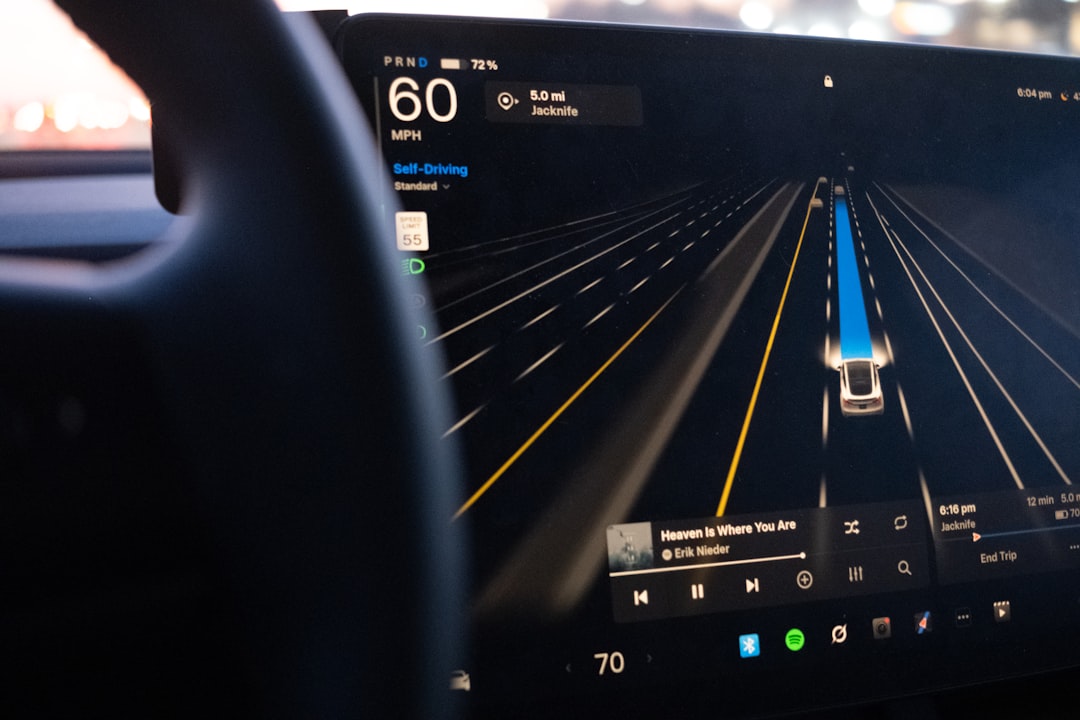
Tesla owner Tom LoSavio has filed a class-action lawsuit against the company, claiming its self-driving promises were misleading and remain unfulfilled.
A Tesla owner and former attorney, Tom LoSavio, has filed a class-action lawsuit against Tesla, alleging the company failed to deliver on its long-standing promises regarding self-driving technology. According to LoSavio, he paid $8,000 in 2016 for enhanced Autopilot and Full Self-Driving (FSD) capabilities when he purchased his Tesla Model S. After nearly nine years, he claims the promised features remain undelivered, leading him to sue the company.
The Allegations
In the lawsuit, LoSavio alleges Tesla misled customers by selling vehicles under the assurance of future upgrades that would provide full self-driving functionality. These promises were not new—Tesla CEO Elon Musk has, over the years, repeatedly suggested that FSD technology was close to deployment. LoSavio states that these continued assurances led him to maintain faith in the company’s ability to deliver. However, he contends that despite these statements and the hardware supposedly being in place for years, Tesla has failed to roll out a reliable, software-based solution.
Speaking in an interview, LoSavio described his frustration: “Over the years, Mr. Musk made repeated claims that next year would be the year FSD would arrive. I was told the hardware was ready, and it was just a matter of updating the software. Yet nine years later, I still don’t have a fully self-driving car.”
A History of Elon Musk's Statements
Elon Musk has often been optimistic about Tesla's self-driving efforts. Over the years, he has predicted the arrival of fully autonomous Tesla vehicles multiple times. As far back as 2016, when LoSavio made his purchase, Musk stated that Tesla vehicles were equipped with all the necessary hardware for full autonomy and that significant progress in software development would make self-driving a reality "soon."
However, recent remarks from Musk suggest a shift in this narrative. During a recent earnings call, Musk admitted that current Tesla vehicles equipped with earlier versions of the FSD hardware, including LoSavio's Model S, are not suited for full autonomy even if the software is improved. Musk explained that upgrades to both hardware and cameras are necessary, requiring affected vehicles to be brought to "micro factories" for retrofitting.
This acknowledgment that hardware upgrades are essential contrasts with Musk’s earlier assurances, leading LoSavio to question the company’s trustworthiness. "It’s hard to have credibility in his statements when for years he said the hardware was adequate," LoSavio said. "And yet here we are, discussing mini factories to retrofit cars."
Tesla's Evolution of Promises
Tesla’s approach to autonomous driving has evolved over the years. The company initially promised Enhanced Autopilot functionality, which includes basic driver-assistance features like lane keeping and adaptive cruise control. FSD was pitched as the next step—a system capable of fully autonomous driving under all conditions. Customers like LoSavio paid for these expensive add-ons on the understanding that their vehicles would gain these capabilities via future software updates.
Despite Tesla releasing beta versions of FSD, these have remained far from "fully self-driving" as defined by commonly accepted standards. Current FSD beta software requires constant driver supervision and remains highly controversial, with critics pointing to safety concerns and regulatory hurdles.
Meanwhile, competitors like Waymo and Cruise have launched their own fully autonomous vehicles. Waymo, in particular, operates self-driving taxis in cities like San Francisco—actions that LoSavio cites as evidence of Tesla’s lagging performance in the self-driving ecosystem. "I see Waymo cars driving around San Francisco without drivers," LoSavio said. "Yet Tesla still hasn’t delivered what they’ve been promising for almost a decade."
Tesla’s Remedy and Customer Dissatisfaction
In response to the technical limitations of older Tesla vehicles, Musk proposed a solution during the earnings call: discounted trade-ins for new Tesla vehicles equipped with updated hardware. Alternatively, existing vehicles could undergo retrofits to receive the necessary hardware upgrades. However, Musk described this as a significant logistical challenge, requiring the establishment of "micro factories" to execute the retrofits efficiently.
LoSavio dismissed this proposal as implausible. "It’s hard to believe Tesla will set up all these mini factories to fix outdated vehicles when they’re already converting existing factories for other projects like robots," he argued. He likened the situation to being sold a car that later turns out to be unfit for its advertised purpose. "Frankly, I think he’s turned my car into the Edsel of 2026," he added, referencing Ford’s famously failed automobile from the 1950s.
Legal and Ethical Implications
The lawsuit LoSavio has initiated goes beyond his individual case. As a class-action suit, it could allow other Tesla owners who purchased FSD to join in, further amplifying the scrutiny on Musk and Tesla’s business practices. This isn’t the first time Tesla has faced criticism for its self-driving claims. Regulatory agencies, including the National Highway Traffic Safety Administration (NHTSA) and California’s Department of Motor Vehicles, have investigated Tesla over potentially misleading advertising surrounding Autopilot and FSD.
Ethical questions also arise regarding the marketing of technology that remains undeveloped. While Tesla clarified that FSD would require significant time to achieve full functionality, the recurring optimistic statements may have given customers like LoSavio undue confidence in the timeline.
Tesla’s Non-Response
Tesla has not responded to requests for comment on the lawsuit or the broader dissatisfaction among some of its customers. Historically, the company has remained tight-lipped regarding legal matters and controversy, often refusing to engage with mainstream media inquiries. This silence leaves customers like LoSavio turning to the courts rather than expecting direct resolutions from the company.
Broader Industry Context
The lawsuit highlights a broader issue within the autonomous vehicle industry. While Tesla remains one of the most recognized names in the space, companies like Waymo and Cruise are setting new benchmarks for self-driving technology. Tesla’s heavy reliance on camera-based systems, compared to Waymo’s LiDAR-based strategy, is part of a broader debate on the best technological approach. However, for customers like LoSavio, the lack of tangible results speaks louder than the choice of sensor.
The Road Ahead
LoSavio’s lawsuit is a reflection of growing frustration among early adopters of Tesla’s technology. It raises important questions about the ethics of selling features based on future promises, the feasibility of retrofitting outdated hardware, and the responsibilities companies have to their customers when innovation doesn’t meet expectations. As Tesla continues to pursue its ambitious goals, the outcomes of lawsuits like LoSavio’s could determine how the company navigates its relationship with customers and delivers—or fails to deliver—on its promises.
Staff Writer
Mike covers electric vehicles, autonomous driving, and the automotive industry.
Comments
Loading comments…


