Tesla Semi 500-Mile Model: Redefining Long-Haul Trucking
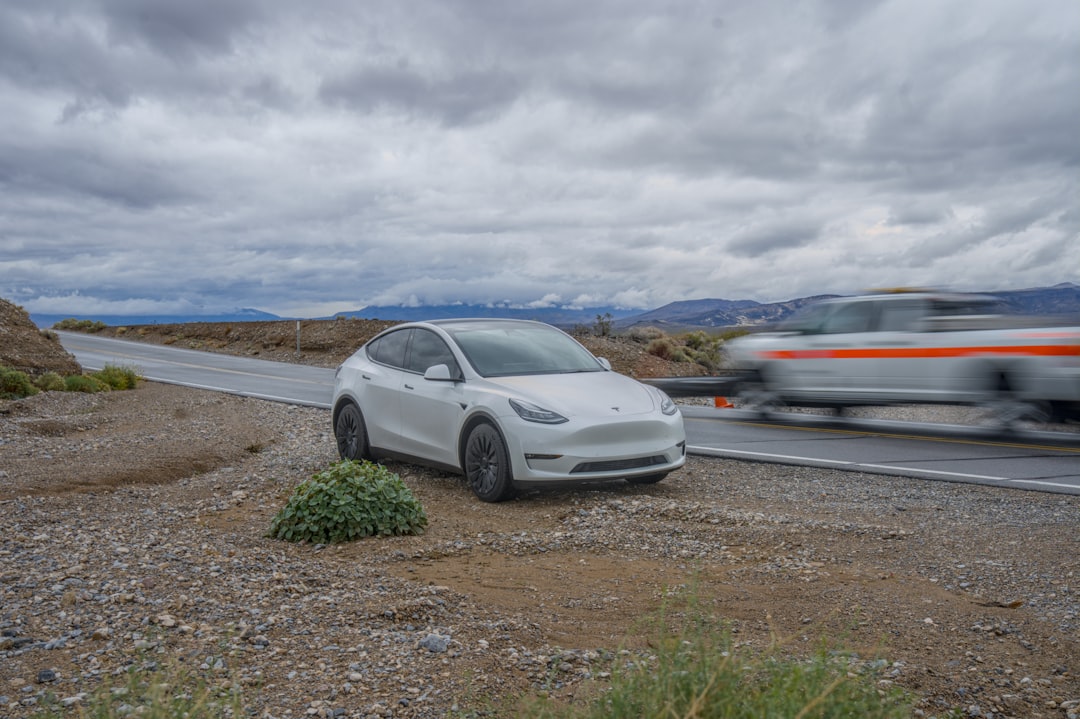
The 500-mile Tesla Semi is transforming freight transport with unmatched efficiency, lower costs, and advanced design tailored for today's trucking demands.
Tesla Semi 500-Mile Model Shows Promise for Modern Trucking
The Tesla Semi has officially rolled onto the scene, and with its long-range 500-mile model, it's promising to reshape how the trucking industry operates. Designed with a focus on aerodynamics, efficiency, and cost savings, the Tesla Semi claims a lower cost-per-mile compared to diesel models, as well as a quieter and smoother driving experience. In "Jay Leno's Garage," Tesla's design and engineering team joined Jay Leno to break down what makes the Tesla Semi unique.
A Game-Changing Design for Aerodynamics and Efficiency
Aerodynamics have a profound impact on electric vehicle efficiency, especially for long-haul trucks. The Tesla Semi's designers approached the truck's architecture with this in mind.
- Central Driver Position: The driver's seat is in the center of the cab, allowing for a narrower and more aerodynamic cabin shape. This is a departure from the wide cabs seen in traditional diesel trucks.
- Improved Drag Coefficient: The Tesla Semi boasts a drag coefficient lower than that of a Bugatti Veyron. This sleek design is critical for improving range efficiency.
- Battery Optimization: By reducing drag, the energy needed for range decreases, allowing Tesla to use a smaller battery while maintaining a competitive 500-mile range.
According to Dan Priestley, Tesla’s director of the semi program, this attention to aerodynamic detail yields a 7% improvement in efficiency compared to earlier prototypes.
Charging and Operation: Making Electric Trucking Practical
One of the biggest hurdles for electric vehicles is charging logistics, especially for long-haul trucks that need to stay on the move. Tesla has addressed these challenges with impressive charging capabilities and new infrastructure.
- Mega-charging Network: Tesla is building a dedicated network of mega-chargers to support their semis. These chargers can deliver 1.2 megawatts of power, enabling 60% charge—roughly 300 miles of range—in just 30 minutes. This aligns with mandated driver breaks, eliminating downtime.
- Cost Stability: Electric pricing is less volatile compared to diesel, giving operators more predictable fueling costs.
For fleets and independent owner-operators alike, this infrastructure is pivotal. Not only does it enable long-distance travel, but it also instills confidence in making the switch to electric technology.
Lower Operating Costs and Maintenance
The Tesla Semi promises significant savings both in its operation and upkeep. In California, the truck is said to operate at half the cost per mile compared to diesel models.
- Fuel Savings: With lower and stable electricity costs, long-haul trucking fleets and independent operators can expect significantly reduced total fuel expenses.
- Reduced Maintenance: Electric trucks eliminate common issues found in diesel engines. There’s no oil to change, and the drivetrain is touted as exceptionally reliable. Even the air brakes require minimal maintenance.
- Enhanced Uptime: Tesla’s design prioritizes ease of repair, ensuring 95% uptime, a critical factor for operators. Issues are often resolved within 24 hours, and 50% of problems are fixed within an hour.
Designed for Driver Comfort and Safety
Tesla hasn’t solely focused on efficiency; it’s clear that driver comfort and safety were priorities as well.
- Smooth Ride: The electric design allows for a vibration-free driving experience, reducing fatigue for drivers spending long hours on the road.
- Improved Visibility: The central driving position and wide windows provide superior visibility, enhancing safety for both the driver and other road users.
- Modern and Spacious Interior: The cab offers standing room and space for multiple people, making it more functional than traditional truck designs. Tesla refers to the cab as a "mobile office," designed for both comfort and productivity.
- Autonomy and Safety Features: Leveraging Tesla's autonomous capabilities, the semi incorporates sensors and cameras to enhance driver-assistance features, creating a safer driving environment.
Real-World Feedback and Adoption
The Tesla Semi has already proven itself in fleet trials. According to Tesla, early adopters of the truck have collectively logged over 13.5 million miles. Individual units have even reached as much as 440,000 miles of daily hard-use operations.
Drivers reportedly love the quieter cabin, smooth drive, and reduced fatigue. Dan Priestley emphasized that skeptical drivers consistently turn into advocates after spending time with the vehicle. The Semi has also garnered significant interest from independent truckers and smaller regional fleets, not only large-scale operators like FedEx.
Independent Operator Potential
While electric trucks have traditionally targeted fleets, the Tesla Semi is being marketed to independent owner-operators as well. These truckers can benefit from the reduced fuel costs and lower maintenance requirements, both of which are critical for individuals managing tight margins. Tesla’s mega-charger network and service support further bolster the feasibility for independents to adopt the Semi.
Tesla’s Commitment to Transitioning the Trucking Culture
Transitioning from diesel to electric trucks represents a major cultural shift within the trucking industry. Tesla’s Semi challenges a century-old design tradition, and electric vehicle infrastructure still has a long way to go. However, the company’s proactive investment in charging networks and fleet support sets it apart.
While drivers are typically conservative about embracing new technology, Tesla's focus on real-world benefits—lower costs, reduced maintenance, and a better driving experience—is softening resistance. According to Dan Priestley, feedback has been overwhelmingly positive among both early users and fleet managers.
Practical Takeaways From the Tesla Semi
- Range Options: The 500-mile model is suitable for most long-haul routes, while the standard-range model offers lighter operation and more versatility for regional fleets.
- Economics: At 50% cheaper per mile in places like California, the Semi is a direct challenger to diesel trucks.
- Infrastructure: Tesla’s mega-charging network and service response times make the Semi viable for both large fleets and independent truckers.
- Comfort and Safety: A quieter, smoother, driver-centric design sets a benchmark for what modern trucks should offer.
The Road Ahead for Tesla's Semi Trucks
The Tesla Semi is more than just another electric vehicle; it’s a bold reimagining of what a long-haul truck can be. With proven mileage records, lower operating costs, and an integrated charging network, the 500-mile Tesla Semi is positioned to gain traction in both fleet operations and among independents. As manufacturers and truckers alike adjust to the possibilities of electrification, Tesla is clearly aiming to leave its mark on the freight industry.
Comments
Loading comments…


