Tesla’s $2.9 Billion Investment in Solar Manufacturing: What It Means for the US
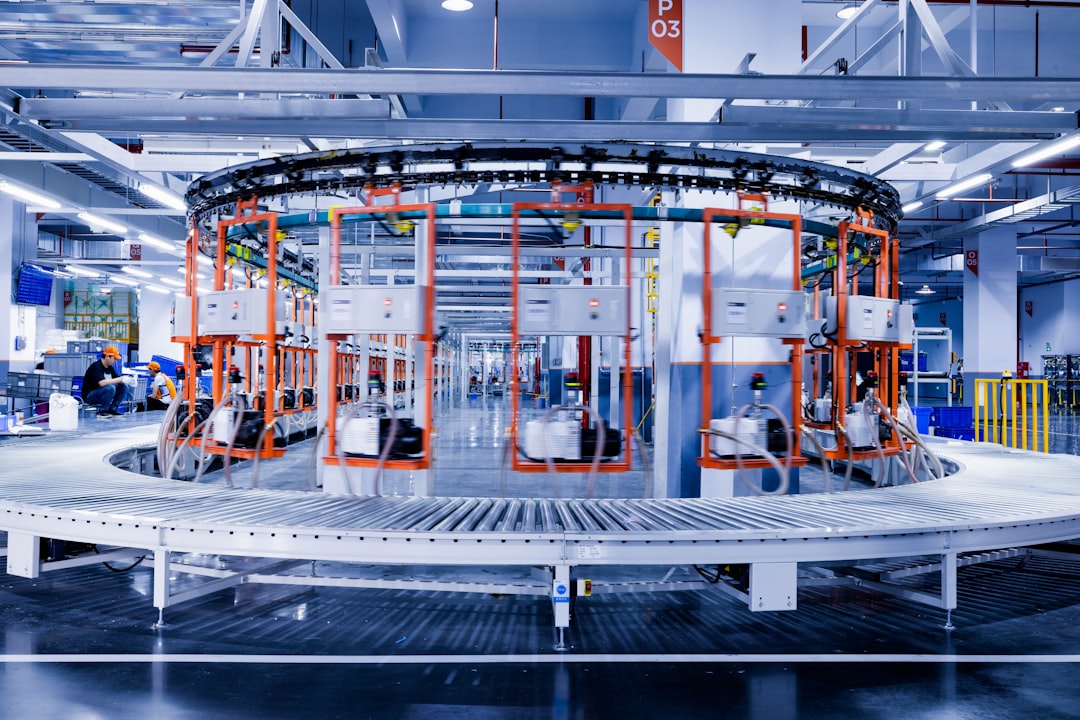
Tesla is set to revolutionize US solar manufacturing with a $2.9 billion investment in equipment, aiming for a 100 GW annual capacity by 2028.
Tesla is making headlines with one of the largest solar manufacturing initiatives in the history of the United States. The company, better known for its electric vehicles, is taking significant strides to address solar energy production domestically. A $2.9 billion investment in solar manufacturing equipment highlights Tesla’s commitment to reshoring clean energy production and expanding its footprint in renewable energy.
Tesla’s Bold Solar Plan: 100 GW Capacity by 2028
According to multiple reports, including one from Reuters, Tesla has finalized deals with Chinese firms to acquire machinery designed for manufacturing solar panels. The equipment, valued at $2.9 billion, will be used to establish a large-scale solar manufacturing facility in Texas. Deliveries are expected to begin before fall 2026, with the ambitious goal of ramping production to 100 gigawatts (GW) per year by 2028.
This level of production is unprecedented and positions Tesla to play a leading role in the US solar energy market. If realized, it would establish one of the largest solar manufacturing facilities in the country, reshaping the energy supply chain and boosting domestic energy security.
Leveraging Chinese Expertise for US Manufacturing
An important aspect of this development is Tesla’s partnership with Chinese equipment manufacturers. Leading suppliers include Suzhou Maxwell Technologies, Shenzhen SC New Energy Technology, and Laplace Renewable Energy Technology. These companies specialize in manufacturing equipment for solar cell production rather than consumer-ready solar panels.
Why Chinese Equipment?
One significant detail is that US policies heavily restrict imports of Chinese solar panels and cells to promote domestic manufacturing. However, the same restrictions do not apply to solar manufacturing equipment. This exemption allows Tesla to bring in cutting-edge tools critical for large-scale solar production. The reality is that few viable alternatives to these Chinese suppliers exist, making their equipment essential for Tesla’s ambitious plans.
The Economics of Solar Energy in the US
Solar energy has become much more affordable over the years, but it remains relatively expensive in the United States compared to countries like Australia. On average, solar installation costs in the US are three times higher than in Australia. This price gap presents an opportunity for Tesla to disrupt the market by vertically integrating its solar supply chain, driving down costs, and creating competitive solar products.
Tesla’s Vertical Integration Strategy
Tesla aims to build everything in-house—from raw materials like silicon to finished solar panels. This approach mirrors its strategy in electric cars, where full control over the supply chain allowed Tesla to reduce costs and increase efficiencies, forcing competitors to follow suit. By applying this model to solar energy, Tesla could not only lower prices but also make solar panels more accessible to a larger audience.
Potential Impact on US Energy Independence
Bringing solar manufacturing capabilities back to the US has broader implications beyond Tesla’s business strategy. A facility capable of producing 100 GW annually would strengthen energy independence by reducing reliance on foreign-made solar products. It could also help the US transition faster to renewable energy by expanding the electric grid’s capacity to handle increased demand.
Addressing Grid Expansion and Industrial Power Needs
Tesla’s solar project isn’t just about home energy solutions. The reported scale of 100 GW hints at applications for large-scale commercial and industrial needs. Rising power demands from AI data centers, Tesla’s Gigafactories, SpaceX operations, and broader AI computing growth underscore the need for reliable energy sources. This move could position Tesla as a key player in meeting those demands.
Specifications of Tesla’s Current Solar Panels
While Tesla isn’t sourcing finished solar panels from Chinese manufacturers, the company’s current offerings provide insight into the technology it plans to scale.
| Specification | Tesla Residential Panel |
|---|---|
| Power Output | 420 watts |
| Dimensions | 71.1 x 44.7 x 1.57 in |
| Temperature Range | -40°F to 185°F |
| Warranty | 25 years (product and performance) |
These specs align with high-efficiency residential solar solutions, ideal for urban and suburban homes. Tesla’s broader manufacturing goal, however, extends well beyond residential use.
Comparison: US vs. Global Solar Pricing
| United States | Australia | |
|---|---|---|
| Average Cost | 3x higher than Australia | Significantly lower |
| Key Driver | Limited domestic production | Higher market competition |
By localizing production of solar panels, Tesla could narrow this gap, making renewable energy more affordable across the US while reducing dependence on imports.
Strategic Takeaways
- Timeline: Tesla targets 2026 for initial equipment delivery and 2028 for reaching full production capacity.
- Scale: 100 GW annually could meet significant portions of future US energy demand.
- Impact: Lowered solar costs, strengthened supply chains, and broader energy independence.
- Technology Sources: Chinese manufacturing equipment due to the lack of domestic alternatives.
Conclusion: A Move with National Implications
Tesla’s $2.9 billion investment isn’t just a corporate initiative; it has the potential to reshape the US solar energy landscape. By importing advanced manufacturing equipment from China to build solar products on American soil, Tesla aims to create a fully integrated and scalable energy production system. This strategy could not only make solar energy more accessible but also position the US as a leader in renewable energy production while reducing costs and boosting energy independence.
The success of this initiative will depend on Tesla’s ability to meet its challenging timeline and scale operations as projected. If it does, the transition from an electric car company to a holistic energy solutions provider could mark one of Tesla’s most transformative moves.
Staff Writer
Mike covers electric vehicles, autonomous driving, and the automotive industry.
Comments
Loading comments…


