Texas A&M students unveil all-electric race car built from scratch
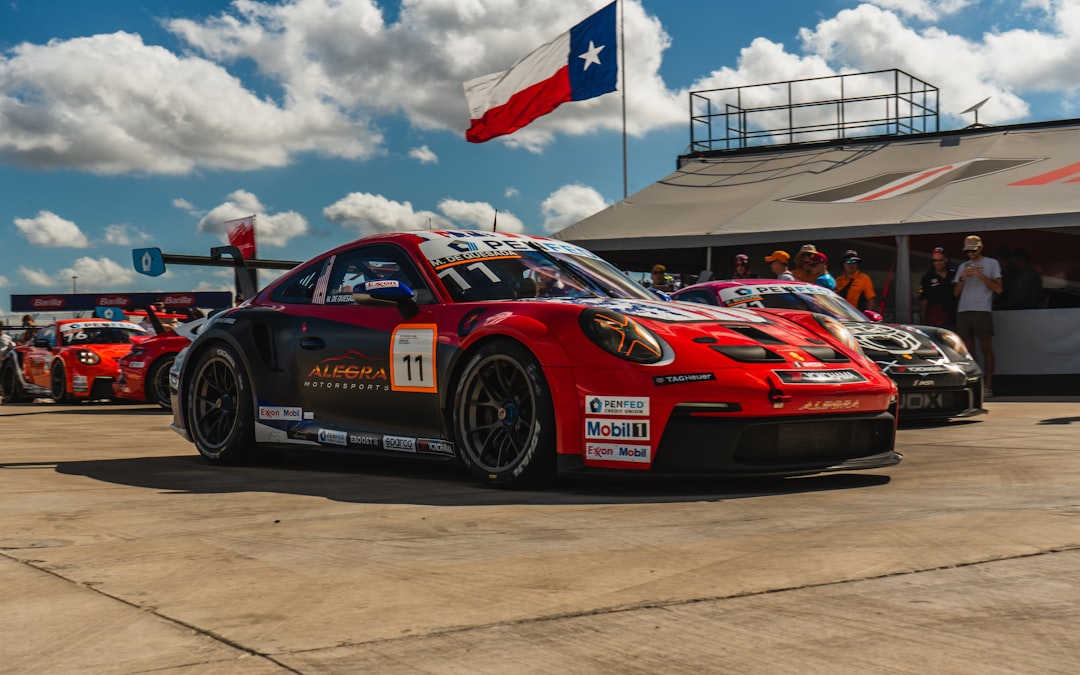
Texas A&M students have designed, built, and prepared to race a fully electric car, showcasing innovation, teamwork, and dedication.
A group of engineering students from Texas A&M University has accomplished what many would consider an ambitious feat: they have designed and built an all-electric race car entirely from scratch. Now, the team is preparing to test its performance on the track, demonstrating not just engineering prowess but also the level of collaboration and dedication required to achieve such a complex objective.
The project, spearheaded by the Texas A&M Chapter of the Society of Automotive Engineers (SAE), represents months of hard work by a large team of over 140 students. Alex Egan, who worked on the project, described it as a “massive undertaking” that tested their skills, innovation, and ability to work as a team.
A Fully Electric Focus
Traditionally, the SAE oversees the construction of three types of racing vehicles annually: Baja cars for off-road driving, combustion cars, and electric cars. This year, the team’s electric car stood out for its sophistication in design and execution. The students highlighted that their project’s uniqueness lies in its fully electric nature, setting it apart from the other vehicles.
“We’re special because we make a fully electric car,” one team member explained in reference to this year’s vehicle. The car’s design and functionality follow the format of Formula 1 cars, emphasizing efficiency and precision while offering students a hands-on experience akin to professional motorsport engineering.
From Concept to Race Day
Building the vehicle was not just about understanding cars but also about executing complex project management and applying cutting-edge technology. According to Purav Dutta, who oversees the operation, the project began with computer-aided designs that were then brought to life through rigorous fabrication and assembly processes. Every aspect, from engineering and building the car to public relations and securing sponsorships, was student-driven.
Dutta underscored how comprehensive the process was: “Pretty much every part on the car you see is a student running on it, managing it, building it, and making it real.” Taking the project beyond concepts to reality required careful attention to detail over the course of approximately eight months, during which the team balanced their academic responsibilities with the demands of the project.
A Parking Lot Transformed
The students are set to debut the car at the RELLIS campus, where a parking lot is periodically transformed into a racetrack. This demonstrates the team's commitment not only to building the car but also to ensuring it is tested under near-professional conditions. These trial runs aim to mimic the performance and operational requirements of formal racing tracks, highlighting the car’s performance capabilities.
A Learning Experience
For the students, the experience was about much more than just the final product. Alex Egan shared how the project helped them develop real-world skills: “[I’m] the project manager. So, a little bit of everything. I get to manage the 140-plus extremely talented people on the team, and I get to ensure the car gets from paper to a driving race car in about eight months.” This was echoed across team members, describing the project as a rewarding educational journey.
The meticulous planning and broad skill sets involved made the project akin to Formula 1 engineering processes. From the initial design to the fabrication, testing, and eventual racing of the electric car, the project replicated the world of professional automotive engineering. It gave students hands-on experience while preparing them for careers in high-stakes, engineering-focused industries.
Matching Industry Standards
Being part of SAE also provides students with crucial exposure to the working structure of the motorsports and automotive industry. Aside from building the cars, tasks like managing sponsors and marketing the team’s work mirror the broader context of professional racing teams. From securing support to fostering teamwork, these lessons go beyond technical considerations.
Electric Cars in a Broader Context
Projects like these gain relevance in the evolving landscape of automotive engineering. As electric vehicles (EVs) increasingly replace combustion engines in the consumer market, familiarity with EV technology is key for aspiring engineers. The Texas A&M team’s focus on designing, developing, and racing a fully electric car allows its members to stay ahead of this shift.
The trend toward electric and sustainable racing also aligns with the future of motorsport, as prominent events like Formula E and other electric series gain prominence. Working on such projects not only empowers students but also integrates them into a sustainable revolution in automotive engineering and design.
Final Thoughts
The Texas A&M SAE team’s accomplishment showcases the value of hands-on experience and collaboration in education. By taking an idea from a computer screen to a racing track, the students demonstrated the ingenuity and dedication that define successful engineers. As the car prepares to hit the track and race soon, every fast lap represents the culmination of their efforts and an opportunity for future innovation.
Staff Writer
Nina writes about new car models, EV infrastructure, and transportation policy.
Comments
Loading comments…


