The EV fast food revolution, Toyota’s revival plans, and the Mitsubishi Pajero’s return
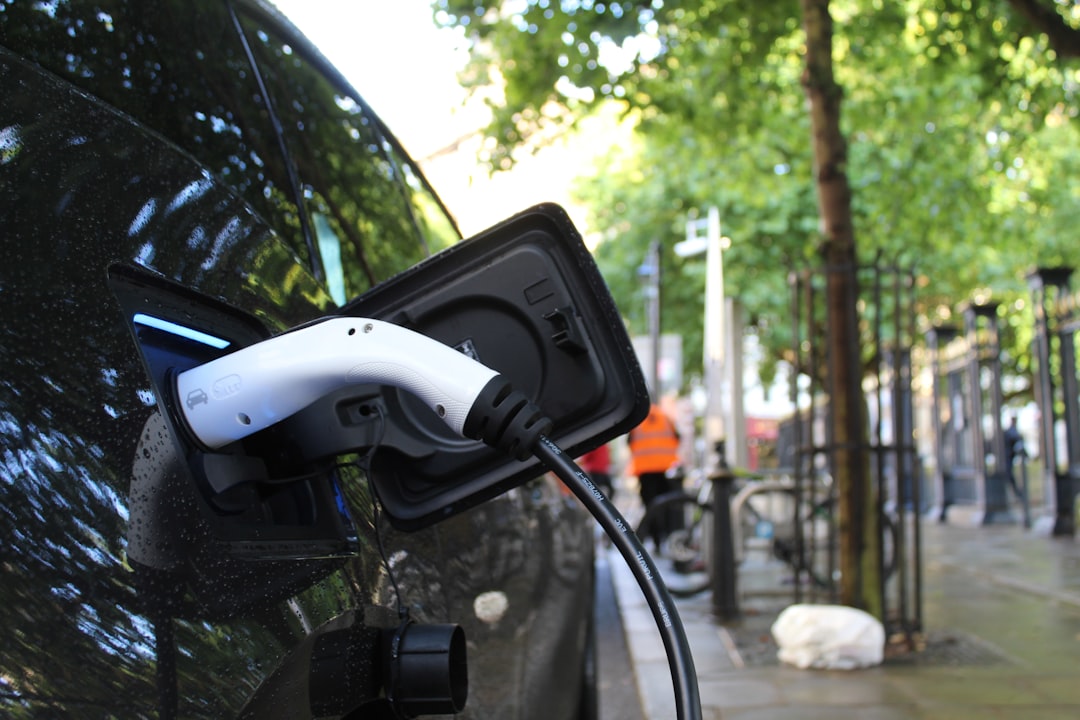
BYD partners with KFC in China for revolutionary EV charging, Toyota teases the Celica comeback, and the Mitsubishi Pajero is making its return in 2026.
Electric vehicles (EVs), iconic nameplate revivals, and competitive innovation are transforming the global automotive landscape. Recent developments from BYD, Toyota, Mitsubishi, and others highlight the shifting dynamics of the industry and its future. Here’s a breakdown of the hottest automotive stories recently making waves.
Fast EV Charging Meets Fried Chicken: The BYD and KFC Partnership
BYD, the Shenzhen-based EV giant, has teamed up with KFC in China to roll out a unique solution that combines fast food and even faster charging. BYD is integrating its cutting-edge charging stations into KFC drive-throughs across the country, creating a “drive, plug, and dine” experience for EV users.
This system leverages BYD’s 1,500-kilowatt ultra-fast chargers, capable of adding up to two kilometers of range per second. With a full battery charge time of around nine minutes, the setup is faster than it takes to finish KFC’s signature meals. Here’s the kicker: BYD’s second-generation Blade Battery makes this possible by supporting high charging rates while maintaining thermal stability.
How does it work? Cars fitted with BYD’s software can pull into a KFC drive-through, connect to the charger, and use the car’s infotainment system to place their food order. The car’s system communicates directly with the restaurant, ensuring the food is ready just as the EV hits full charge. This seamless blend of energy and dinner serves both convenience and efficiency.
According to BYD, plans are ambitious. The company aims to deploy 20,000 flash charging stations across 13,000 KFC locations in China by late 2026. While there’s hope for international expansion, Australia’s rollout, if it materializes, might involve long lead times. Currently, BYD’s new system is compatible with its FangChengBao models and the second-generation Blade Batteries. BYD remains the top EV brand in Australia, leading us to believe local implementation might follow naturally as part of their infrastructure growth strategy.
Prices and Choice: Chinese Brands Shine at the Melbourne Motor Show
At the Melbourne Motor Show, Chinese automakers dropped jaws with an aggressive pricing strategy for their EVs. BYD, Great Wall Motors (GWM), and Zeekr displayed affordable yet feature-packed models that start as low as $33,000 drive-away. This price point marks a sharp departure from the traditionally steep EV cost barrier seen in Australia’s market.
For example, the BYD Seal 6 sedan priced from $35,000 and the Zeekr X coupe for under $50,000 signal an inflection point in the EV segment. These figures are more accessible to first-time buyers who might otherwise hesitate to invest in an EV. Combined with luxury models like the IM LS9—a massive SUV rivaling brands like Range Rover—Chinese manufacturers seem poised to dominate the Australian market soon.
Spotlight on Legends: The Toyota Celica and Mitsubishi Pajero Return
Toyota Celica Comeback: After years of speculation, Toyota confirmed the revival of its iconic Celica sports car. The Celica, which ended production in 2006 after 36 years, remains beloved by enthusiasts. While details are vague, leaked images of a new 2027 rally car suggest that the modern Celica will likely adopt a compact, sporty coupe design. Toyota has hinted at both hybrid and fully electric options for the model, potentially positioning the Celica alongside its GR 86 as another performance-centric vehicle for different audiences. The central challenge for Toyota lies in ensuring the new Celica lives up to its legacy—neither becoming an uninspired compliance car nor merely cloaking another platform in nostalgic branding.
Mitsubishi Pajero Revival: Another legendary nameplate is making its way back into showrooms soon. Mitsubishi’s Pajero SUV has been spotted undergoing tests, signaling that pre-orders could open by September 2026. While specifics remain unconfirmed, the upcoming Pajero is expected to share its platform with the rugged Mitsubishi Triton. It’s possible we’ll see a four-cylinder turbo-diesel with 150 kW of power and rugged off-road capabilities like a 3.5-ton towing capacity and an eight-speed automatic gearbox. For adventurers and families alike, the Pajero might offer a worthy alternative to Toyota’s Prado, whose Australian sales have notably dipped by 46% this year.
Challenges for Established Names: Toyota’s Hybrid Delays
Toyota, long heralded as an industry pioneer, faces challenges in its hybrid SUV production. Its anticipated high-performance Land Cruiser 300 hybrid, initially planned for early 2026, has been delayed to late Q3. This model, sporting a 3.5-liter twin-turbo V6 hybrid engine, promises an impressive 340 kW output and economy figures similar to the diesel variant. However, with an estimated sticker price starting near $150,000, its reach may be limited to high-end buyers.
In contrast, the Toyota Prado’s hybrid strategy faces significant hurdles in Australia. While the U.S. version packs a robust 2.4-liter hybrid engine, local buyers are offered a more conservative diesel with mild-hybrid tech. Regardless, dwindling sales suggest Toyota must rethink its approach to retain dominance in the mid-size SUV sector.
BMW Eyes a Luxury SUV Shakeup
On the premium end, BMW has revealed plans for a potential Range Rover competitor under the codename “Project Rugged.” This model aims to blend the luxurious DNA of the Range Rover with BMW’s EV architecture. However, limited demand for fully electric platforms in the luxury 4x4 market might push BMW to offer hybrid and combustion variants. While the prospect of a BMW luxury off-road vehicle excites enthusiasts, the manufacturer faces stiff competition from decades of established Range Rover loyalty in key markets like Australia and the U.S.
Conclusion: The Changing Australian Auto Landscape
In the face of evolving consumer expectations and sharp competition, established automakers grapple with maintaining their legacies. Meanwhile, Chinese manufacturers aggressively position themselves as disruptors with affordable options packed with advanced features. Intense competition—whether in the sports car sector, family SUVs, or EV-heavy urban mobility—will undoubtedly benefit Australian buyers.
As brands like BYD roll out futuristic tech like battery-integrated fast food stops, and beloved models like the Celica and Pajero make comebacks, it’s clear that the next wave of the automotive industry will be a unique blend of nostalgia and innovation. Australian consumers are spoiled for choice in 2026, with plenty of reasons to watch the market closely.
Staff Writer
Mike covers electric vehicles, autonomous driving, and the automotive industry.
Comments
Loading comments…


