The impact of rising gas prices on the demand for electric and hybrid vehicles
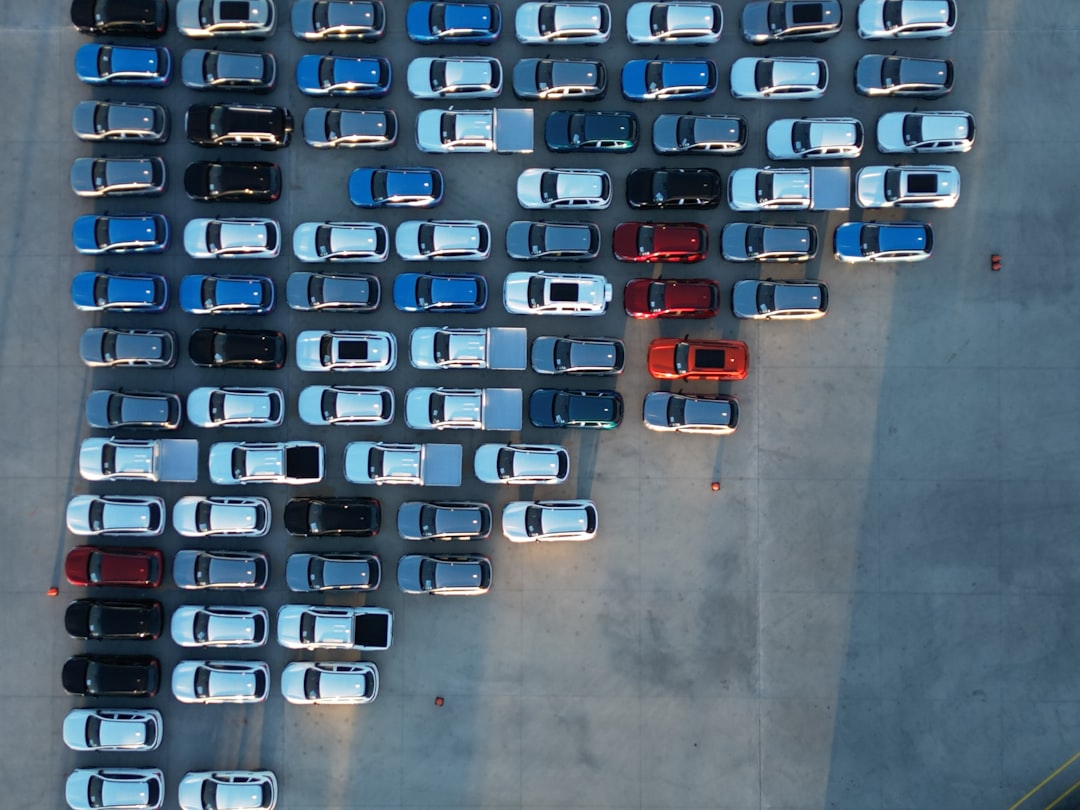
Rising gas prices are driving increased interest in electric and hybrid vehicles, but high demand and limited supply are pushing up prices.
The rising cost of gasoline is prompting many consumers to rethink their transportation choices, driving a surge in the demand for electric vehicles (EVs) and hybrid cars. For dealerships, however, this increased interest is a double-edged sword. A Seattle car dealership owner recently pointed out that while interest in EVs has noticeably spiked, the unintended consequence has been rising prices and constrained availability.
High Gas Prices Fueling the Transition
With current gas prices hitting noticeably steep levels, it's no surprise that many consumers are looking for alternatives to traditional internal combustion engines. According to the dealership owner SysCall News spoke to, the trend began as soon as gas costs surged earlier this year. Calls started pouring in from customers eager to explore more fuel-efficient or electric options. This shift in customer interest reflects broader changes in the market: fewer people want to commit to vehicles that rely on costly fuel when cheaper, greener alternatives appear within reach.
"As soon as gas prices started going up, people started calling for either hybrid or EVs," noted the Seattle dealer. It's a sentiment echoed by industry analysts, who have observed that periods of spiking gas costs almost always correlate with increased interest in fuel-efficient vehicles. However, while consumers are eager to make the transition, doing so isn't always smooth sailing.
Supply and Demand Driving Up Prices
The sharp increase in demand for EVs and hybrids has created challenges for dealerships. The dealership owner explained, "The issue, though, is high demand means prices go up. So if I'm sourcing them for twice as much, they're going to have to sell for a lot more as well, which I'm not looking forward to."
This highlights a key challenge in the EV and hybrid market: supply doesn't expand quickly enough to meet sudden booms in demand. Unlike traditional gas-powered cars, EV manufacturing relies on a complex network of resources like lithium for batteries—resources that are already under strain globally. As carmakers scramble to ramp up production, prices for both raw materials and finished vehicles have surged accordingly. For dealerships, this means acquiring electric and hybrid models at higher costs, costs that inevitably get reflected in the price that customers pay.
Are Buyers Rushing Too Quickly?
Interestingly, the Seattle dealership owner also observed a growing trend among shoppers: some are selling their gas-powered cars before fully understanding the implications of buying an EV. "One thing I've been seeing is that people have already sold their gas cars before even attempting to get an electric car." This raises concerns that buyers might be acting impulsively, driven by immediate frustration over gas prices rather than considering what type of vehicle best meets their needs.
For instance, while EVs offer long-term savings on fuel, their upfront costs can be significantly higher. Buyers must also account for other factors like access to charging infrastructure, maintenance costs, and insurance rates. The dealer cautioned prospective buyers to "do your research first and just see what's the best for your situation specifically." For many, a hybrid vehicle may serve as a more affordable compromise, combining the reduced fuel dependency of an EV without entirely relying on electric charging.
Strain on Dealerships Highlights Larger Issues
The situation faced by this Seattle dealership is not an isolated case but a microcosm of wider industry struggles. Automakers everywhere are working against the clock to meet growing EV demand. Tesla, Ford, Rivian, and legacy players like Toyota are all expanding their electric offerings—but the pace is slow relative to skyrocketing interest. Supply chain disruptions caused by the COVID-19 pandemic have only exacerbated delays, further inflating prices.
In the meantime, dealerships are left trying to balance consumer expectations with market realities. Customers want EVs now, but limited inventory means higher costs and longer wait times. This disconnect can frustrate even the most enthusiastic buyers, some of whom might reconsider their options altogether.
Why This Shift Matters
The spike in demand for EVs and hybrids underscores a broader shift in consumer attitudes toward sustainable technologies. As environmental concerns climb the public and political agenda, coupled with financial incentives like tax breaks for EV purchases, more people are making greener choices. Rising gas prices serve as a tipping point, turning a moral or environmental decision into an economic one for many buyers.
However, sustained growth in this sector will require addressing several bottlenecks. Manufacturers will need to improve production capacity, resource management, and pricing to meet consumer expectations. Governments may also need to do more to support the transition, including investments in charging infrastructure and subsidies for EV buyers.
What Prospective Buyers Should Consider
If you're a consumer interested in making the switch to an electric or hybrid vehicle, it's worth taking the time to evaluate your specific needs:
- Budget: Can you afford the higher upfront cost of an EV, or would a hybrid offer a better financial balance?
- Charging Infrastructure: Do you have reliable access to charging stations, both at home and on the road?
- Vehicle Availability: Are you prepared for potential wait times and higher costs given current supply constraints?
- Usage Patterns: How far do you drive daily or weekly, and does an EV's range suit your lifestyle?
By carefully considering these factors, buyers can make informed decisions that align with their financial and practical needs.
The Road Ahead
While current conditions like high gas prices and supply chain disruptions create challenges, they also signal a growing enthusiasm for electric vehicles. This shift marks an important moment in the ongoing transition toward greener, more sustainable transportation. For both buyers and sellers, navigating this period of rapid change requires patience and planning. For industry players, meanwhile, the challenge will be figuring out how to scale production and manage resources efficiently to ensure that EV adoption isn't slowed by these early growing pains.
Staff Writer
Nina writes about new car models, EV infrastructure, and transportation policy.
Comments
Loading comments…


