The Return of Hybrids and EVs: Rising Gas Prices Drive Renewed Interest
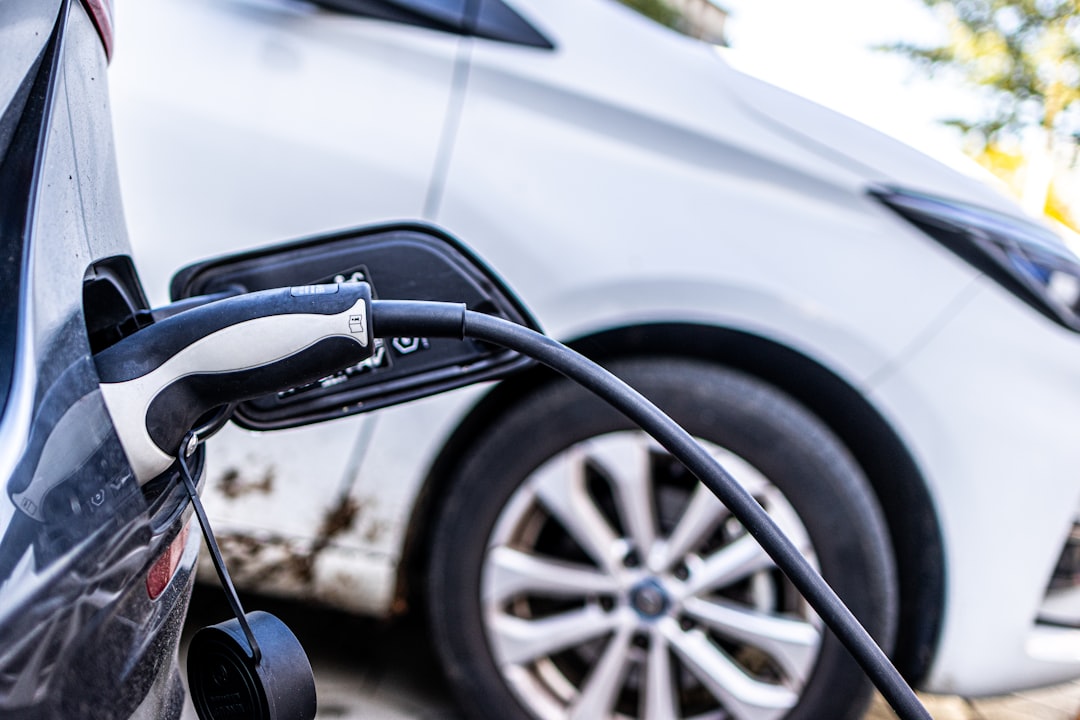
Rising gas prices have reignited interest in fuel-efficient vehicles, with hybrid and electric vehicle sales surging as consumers seek cost-effective and eco-friendly options.
Skyrocketing gas prices have forced drivers to reevaluate their vehicle choices, leading to renewed interest in hybrids and electric vehicles (EVs). Car buyers are now flocking to these alternatives for their energy efficiency and cost savings, reversing a trend where large SUVs and gas-guzzling vehicles were dominating the market. New data shows EV and hybrid searches have increased noticeably, with EV queries rising nearly 26% and hybrids close behind at 24%. Used EV interest has surged even more, climbing about 30% year-over-year. So why the sudden resurgence?
Cost Savings and Efficiency Appeal
The primary driver behind this shift is obvious: gas prices. For example, high-mileage hybrids and EVs offer the promise of significantly reduced fuel costs. Many newer hybrid models reach upwards of 90 MPG equivalent, far outpacing traditional gasoline-powered cars and mitigating visits to the pump. As one EV owner put it, there’s "a really good feeling of not having to stop at the gas station." This sentiment captures a growing desire among American consumers to reduce dependence on fossil fuels and alleviate headaches caused by rising fuel expenses.
Though EVs tend to have higher up-front costs, they offset this price premium with savings in fuel and maintenance. EVs, for instance, eliminate oil changes, and their electric-driven mechanisms result in fewer moving parts that require service. These benefits are proving particularly appealing as budgets tighten across the board.
Used EV prices are also gaining traction as a “best of both worlds” solution. Buyers can avoid the sticker shock of new EVs while still benefiting from the technology’s overall cost-effectiveness. It’s not uncommon to see used EVs like Tesla Model Ys at prices that significantly undercut newer models, making this segment an increasingly attractive option.
The Practicality Question
While the financial incentives are strong, buying an EV or hybrid still requires considering practical factors. Many experts, such as Jenny Newman of Cars.com, stress the importance of evaluating your daily driving habits and home charging capabilities before making the leap. “Think about how far you drive daily and if you can install a home charger,” she advised while discussing the advantages. These considerations will determine whether switching to an EV is viable for most individuals.
Infrastructure readiness is key. While many houses are now equipped with outdoor or garage-based power stations for faster charging, homes without charging access could hinder usability. Additionally, public charging infrastructure, while improving, remains uneven, depending on your location. The upfront investment in installing chargers at home—ranging from a few hundred dollars for mobile setups to $1,000 or more for professional installations—needs to be factored into the total cost equation.
Availability and Pricing Volatility
The EV market offers a wide spectrum of price points, with some used electric cars dipping as low as $6,000. Nevertheless, prices can vary wildly due to demand and inventory shortages. Anthony Kemper, one car shopper considering a used Tesla Model Y, noted frustration with escalating prices: "Paying high sticker prices isn’t ideal," he shared, pointing to the limited depreciation in EVs compared to traditional vehicles. Yet, that very lack of depreciation does exemplify the long-term value EVs might offer.
At present, increased demand is adding pressure on both new and used EV markets, driving up costs and reducing the availability of budget-friendly options. Yet, for those willing to invest, the long-term financial and environmental payoffs provide a compelling case.
A Shift in Perspective
The growing popularity of hybrids and EVs illustrates a broader cultural pivot as the environmental and economic benefits rise to the forefront of consumer decision-making. Drivers like Lisa Wood, who recently began exploring more fuel-efficient options, resonate with the appeal among new buyers: "I really like this car," she remarked after considering a hybrid. Whether it’s a full-fledged EV or a smaller hybrid vehicle, drivers are clearly aligning their car purchases with both financial and ecological priorities.
While hybrids had a similar surge in the past, the current trend marks the deeper entrenchment of EVs into mainstream auto culture. Conveniences like better range, higher availability of charging infrastructure, and greater affordability of used models have all expanded EV ownership beyond early adopters into the realm of everyday drivers. The days of narrowly-defined niches for “green cars” are over.
What’s Next?
Looking ahead, the surge in EV interest is likely to trigger shifts across other sectors as well. Automakers, recognizing that rising gas costs and ongoing environmental concerns won’t disappear anytime soon, are increasingly realigning production priorities toward electric. Dealers, meanwhile, may adjust pricing strategies to meet heightened demand, though broader supply chain disruptions could play an outsized role in influencing accessibility.
Whatever the next steps, the renewed interest in EVs and hybrids isn’t just about reacting to spiking gas prices; it signals a deeper recognition of the advantages these technologies bring. Drivers entering the market for EVs won’t just avoid fuel bills—they’ll fundamentally reshape their relationship with the road.
Staff Writer
Nina writes about new car models, EV infrastructure, and transportation policy.
Comments
Loading comments…


