Understanding Deep Discharge in EV Batteries: Risks, Benefits, and Best Practices
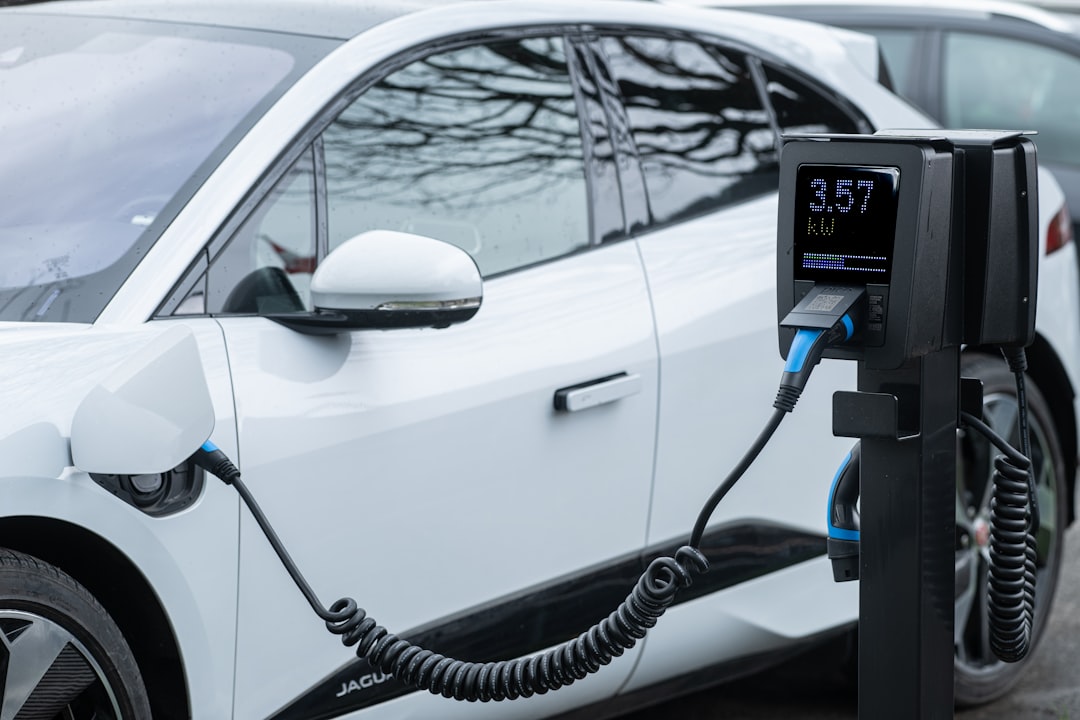
Deep discharge in EV batteries is a debated practice. Here's what you need to know about its impact on performance and longevity, especially for Tata EVs.
Electric vehicle (EV) owners often grapple with conflicting advice on battery management, particularly concerning the practice of deep discharge. The term refers to deliberately depleting a battery's charge to near zero. While experts and manufacturers typically caution against this, some EV users, like YouTube creator Nikhil, advocate for a balanced approach. Drawing from his personal experience, Nikhil recently detailed his reasoning, methodology, and findings on deep discharge in an informative video aimed at EV users, especially Tata EV owners. Here, we break down the key insights, technical aspects, and practical advice so you can make informed decisions about your EV battery's health.
What is Deep Discharge and Why It’s Debated
Deep discharge in the context of EV batteries refers to intentionally reducing the state of charge (SOC) to as close to zero as the system allows. While this may seem risky, proponents argue that it can help prevent the so-called "dormancy" of bottom cells in the battery pack. Dormancy occurs when certain cells remain uncharged and unused for extended periods, eventually leading to a loss of capacity or failure in those cells. This issue is reportedly more common in Tata EVs, such as the Nexon EV, where range drops are significant once the SOC falls below 10%.
Why is this a cause for concern? According to Nikhil’s observations and his discussions with fellow EV enthusiasts, dormant cells can compromise overall battery health, sometimes necessitating a full battery pack replacement. However, most EV manufacturers, including Tata, do not recommend deep discharge as a routine practice. This caution stems from the chemistry of lithium-ion batteries, which are sensitive to deep cycling and degrade faster if frequently depleted below their recommended thresholds.
The Role of Bottom and Top Reserves
A crucial technical detail in understanding deep discharge is the concept of battery management systems (BMS) and reserves. Most modern EVs, including Tata models, maintain both a bottom reserve and a top reserve. These reserves act as buffers to protect the battery from extreme discharge or overcharging.
For instance, even when the SOC on a Tata Nexon EV display reads 0%, the battery retains a 5% bottom reserve. This extra margin ensures that the battery does not completely deplete, which could otherwise cause irreparable damage. Similarly, some cars, like MG electric vehicles, use top reserves, where the charge state lingers between 99% and 100% for a period, allowing for regenerative braking energy to be utilized more effectively.
Understanding these reserves is important for users contemplating a deep discharge, as the car's actual energy storage capacity differs from what is displayed on the dashboard.
Nikhil’s Deep Discharge Methodology
Nikhil shared a real-world example of how he carefully conducted a deep discharge on his Tata Nexon EV. He lowered the battery to 0% SOC according to the dashboard reading, which means it had technically hit the 5% bottom reserve. The battery was then fully recharged using a 3.3 kW charger. This slower charging method, recommended by Nikhil, generates less heat compared to OEM fast chargers and ensures more accurate energy replenishment tracking. The car took approximately 20 hours to charge from 0% to 100%.
To minimize risks, Nikhil recommends deep discharging only occasionally:
- Reduce the SOC below 10% every 4,000–5,000 kilometers.
- Bring the battery down to near-zero (0% dashboard SOC) every 8,000–10,000 kilometers.
These intervals, he argues, help maintain bottom cell health without overburdening the battery. Nikhil cites his car’s current range and battery health performance as evidence. At 19,000 kilometers of use, his vehicle still reports 100% battery health.
Risks and Manufacturer Recommendations
Despite Nikhil’s positive results, the larger EV community remains divided on the practice of deep discharge. Most automakers and battery experts advise against regular deep cycling due to the risk of accelerating battery degradation. Lithium-ion batteries have limited charge cycles, and depleting them fully too often strains the cell chemistry.
Additionally, Nikhil acknowledges anecdotal evidence from other EV owners who avoid going below 20% SOC altogether. One such owner drove their electric vehicle for 200,000 kilometers without a single battery replacement by maintaining conservative charging habits.
Practical Tips for EV Users
If you’re considering experimenting with deep discharge for your EV, Nikhil stresses the importance of understanding your car’s specific BMS configuration and following safe practices:
- Consult Your Manufacturer: Check your EV’s user manual and any online resources provided by the automaker regarding SOC thresholds and battery safety.
- Start Small: Begin by occasionally reducing the SOC below 10% but avoid going to 0% immediately. Observe any changes in range performance.
- Use the Right Charger: Nikhil recommends using a slower 3.3 kW charger for recharging after deep discharge sessions to reduce heat and stress on the battery.
- Track Your Data: Keep notes on your SOC patterns, charging habits, and vehicle range. This can help you identify what works best for maintaining battery health and performance.
Broader Implications for EV Battery Management
The debate around deep discharge highlights a broader challenge in the EV industry: the need for better education on battery management. While automakers can only advise based on general principles, real-world usage often varies. This is particularly evident in the Tata EV community, where issues with bottom cell dormancy have sparked discussions about the value of occasional deep discharge practices.
What’s clear is that a one-size-fits-all approach does not exist. User habits, regional driving conditions, and battery chemistries all play a role in determining optimal battery maintenance strategies. For EV users, the best advice remains to prioritize the long-term health of the battery and consult qualified experts or experienced users when in doubt.
A Final Word
Nikhil concludes by emphasizing that these practices are based on his personal experience and should be adapted to each user’s comfort and confidence. The topic continues to be debated across forums and communities, and ongoing user experiments like Nikhil’s contribute valuable practical insights.
Whether you align with Nikhil’s approach or prefer the more cautious school of thought, it’s undeniable that as EV adoption grows, so does the need to demystify the everyday intricacies of battery technology. For now, deep discharge remains a calculated risk that some believe can pay dividends in performance, albeit with careful execution.
Staff Writer
Mike covers electric vehicles, autonomous driving, and the automotive industry.
Comments
Loading comments…


