Waymo's Autonomous Cars Are Headed to Portland, Sparking Safety and Labor Concerns
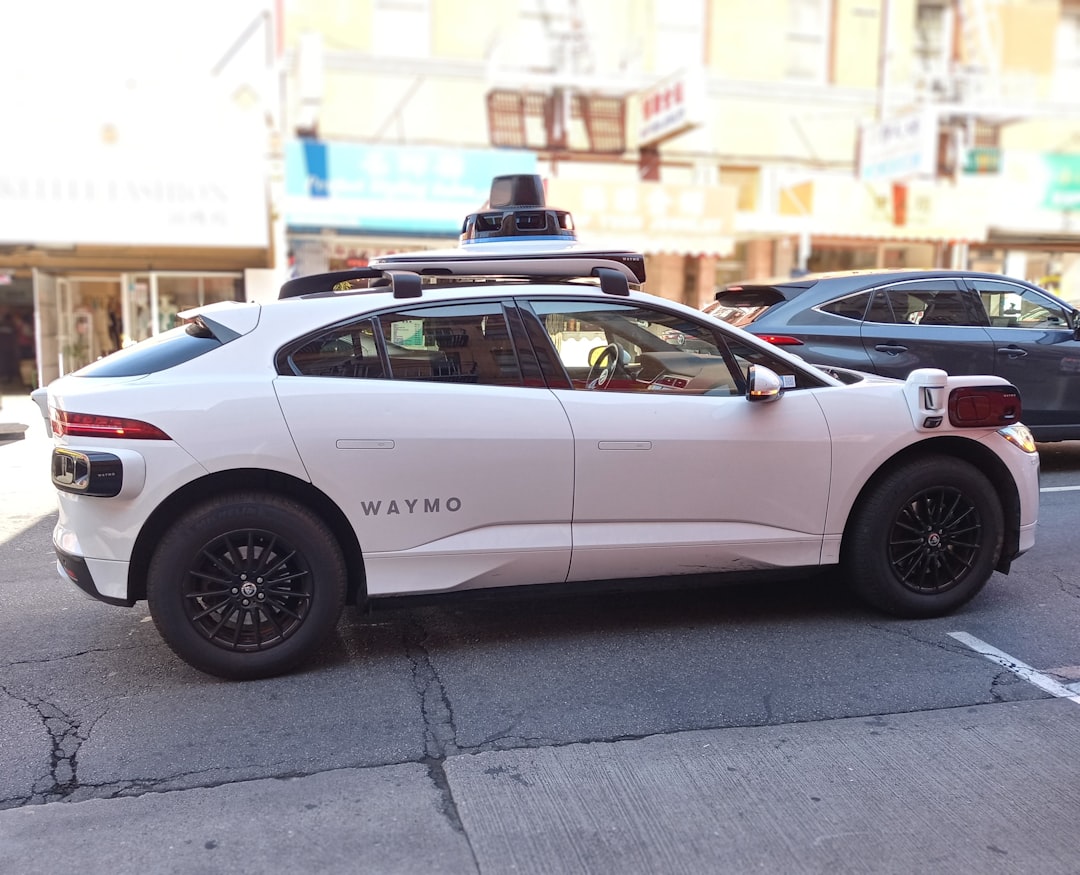
Waymo plans to deploy a fleet of driverless cars in Portland. While proponents highlight safety and innovation, rideshare unions and critics point to potential risks.
Waymo, the self-driving car initiative backed by Alphabet, Google's parent company, is officially bringing its autonomous vehicles to Portland, Oregon. The company's plans to deploy a fleet of driverless rideshare cars have already prompted significant debate among city leaders, regulators, and workers within the city's transportation ecosystem.
Waymo Takes a Step Forward
Waymo has begun mapping Portland with its vehicles driven by human operators. This preliminary phase is intended to familiarize the autonomous driving systems with the city's road network. Once sufficient data is collected, Waymo plans to roll out fully autonomous vehicles onto Portland streets. The company claims that its self-driving technology significantly reduces the risk of serious accidents, reportedly achieving a 13-fold decrease in injury-related crashes in cities where it operates. Supporters argue this technology could play a crucial role in improving road safety.
Portland Mayor Ted Wheeler has expressed optimism about the program. He described Waymo's entry as a potential asset for the city to achieve its Vision Zero goal, an initiative aiming to eliminate traffic fatalities. "This could be a significant step toward a safer, more efficient transportation system," the mayor stated.
Regulatory Hurdles and Local Oversight
Unlike states like California, Oregon lacks comprehensive statewide regulations for autonomous vehicles (AVs). A recent attempt to establish statewide oversight failed in the legislative session, leaving cities like Portland to draft their own localized rules. In response, Portland’s Bureau of Transportation (PBOT) has been working to establish regulations to ensure safety, liability, and operational standards for autonomous vehicles operating in the city.
PBOT insists that Waymo will be required to obtain local permits before initiating fully driverless testing. These regulations are being developed with an emphasis on community feedback, reflecting the mixed opinions among Portland residents.
Criticism from Rideshare Unions and Safety Advocates
While Waymo's rollout is being praised by some for its technological promise and purported safety advantages, it’s facing sharp resistance from rideshare unions and public safety advocates. Nathaniel Hudson, an organizer with the Oregon Drivers Union, highlighted the negative impact self-driving cars might have on employment opportunities for rideshare drivers. "Waymo doesn't just mean competition—it means potential income loss for drivers and increased risks on the roads," Hudson said.
The union also raised concerns about how autonomous vehicles might disrupt the current rideshare economy. In other cities where autonomous vehicles have been introduced, drivers have reported reduced earnings and fewer opportunities to work.
Critics have also voiced concerns about the safety of autonomous vehicles operating in complex, urban environments. Reports from other cities have shown Waymo’s vehicles occasionally making decisions considered unsafe or impractical by human standards. These incidents fuel skepticism among those who worry about the readiness of the technology when placed in the uncontrolled, real-world environment of Portland streets.
Mixed Reactions from the Portland Community
Community reactions to Waymo's plans have been decidedly mixed. While some residents are enthusiastic about the potential for safer roads and innovative transportation alternatives, others remain deeply skeptical. One resident voiced concerns about using a driverless car at this stage: "I don’t think I would actually want to use a driverless car. It feels too experimental still."
Another common worry revolves around the prospect of job losses among traditional and gig-economy drivers. For individuals who depend on rideshare platforms as a primary source of income, the rapid deployment of autonomous fleets raises alarms about long-term displacement.
Key Questions for the Future
Despite the fanfare surrounding Waymo’s entry into Portland, many critical questions remain unanswered. How will AVs interact with Portland's unique infrastructure, which includes a mix of bike-friendly streets, one-way avenues, and public transit corridors? Will the localized regulations being developed by PBOT adequately address liability and safety concerns? And, perhaps most importantly, can the deployment of driverless technology coexist with the livelihoods of human workers in the transportation industry?
In other cities where similar experiments are underway, local governments, activists, and residents continue to grapple with these issues. Portland will now join the ranks of these cities, examining whether the promises of driverless technology outweigh the potential pitfalls.
Broader Industry Context
Waymo's expansion into Portland is part of a broader push by tech companies to normalize autonomous vehicles in urban areas. Companies like Cruise and Tesla have also made advances in self-driving technology, with varying degrees of public acceptance. While the technology has made remarkable strides, the industry still struggles to address public concern over safety, ethics, and regulatory ambiguity.
On the employment side, the advent of AVs raises questions about the future of work in the transportation sector. Automation’s implications on rideshare drivers, truckers, and delivery workers are profound, catalyzing debates on whether companies have a duty to mitigate job displacement.
As Waymo continues to expand, Portland's experience may set the tone for how other cities tackle the challenges posed by autonomous vehicle technology. With the promise of safer roads on one hand and significant socioeconomic disruption on the other, this Pacific Northwest city will serve as an important test case in the unfolding future of transportation.
Staff Writer
Nina writes about new car models, EV infrastructure, and transportation policy.
Comments
Loading comments…


