What You Need to Know About EV Battery Replacement Costs
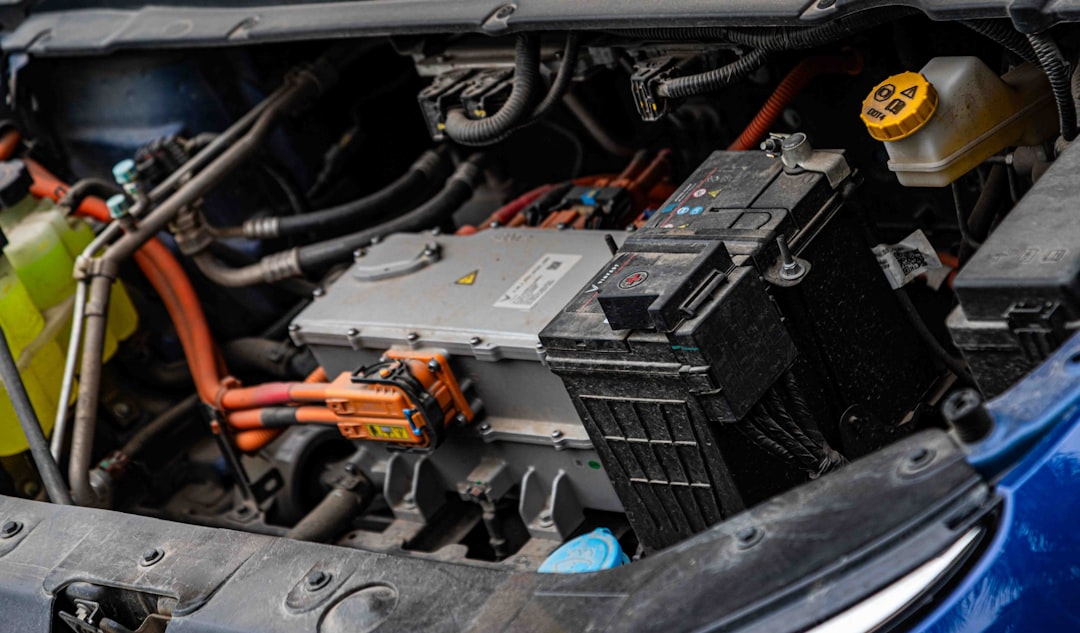
Replacing an EV battery can be expensive, but warranties, modular repairs, and falling battery prices offer options for cost-conscious drivers.
Electric vehicles (EVs) have revolutionized the automotive market, but one topic still causes concern among current and prospective owners: what happens when an EV battery needs replacing? Often referred to as the "heart" of an electric car, the battery is critical for the vehicle's operation, and replacing it can be pricey. However, trends like modular repairs, extended warranties, and falling battery costs are alleviating some of these concerns. Here's a detailed breakdown of what you should know.
How Long Do EV Batteries Last?
Before worrying about replacement costs, it’s worthwhile to understand that EV batteries generally last much longer than many people assume. Most modern EV batteries retain about 80% of their original capacity even after eight to ten years of usage. This durability is supported by manufacturer warranties, which typically cover the battery for up to eight years or 160,000 kilometers (about 100,000 miles), whichever comes first.
These warranties mean you're statistically unlikely to need to pay for a full battery replacement during the warranty period. For many EV owners, this assurance allows them to drive worry-free for the majority of the vehicle’s lifecycle.
Replacement Costs: What to Expect
The challenge comes when an EV battery needs replacing outside the warranty period. Repair or replacement costs can vary significantly depending on the car model. For smaller electric vehicles like the Dacia Spring or Honda e, a full battery replacement costs between €6,000 and €7,000. Mid-range models like the BMW i3 can see costs upward of €12,000. Luxury EVs such as the Mercedes-Benz EQA or EQS command even higher battery replacement fees, ranging from €15,000 to nearly €20,000 for the battery alone. These prices do not include labor, which adds several hundred to several thousand euros, depending on the complexity of the replacement process.
Modular Repairs: A Cost-Saving Alternative
The good news is that in many cases, you won’t need to replace the entire battery. Often, problems in EV batteries are confined to specific modules—one of the building blocks of the battery pack. Replacing only the faulty modules significantly reduces costs. For example, an individual battery module typically costs around €1,000. While labor costs must still be factored in, this approach can slash the total expense of a battery repair.
Recent data underscores the benefits of modular repairs. In one case, replacing faulty modules instead of the whole battery saved up to 77% in repair costs and 91% in associated emissions. This approach not only reduces the financial burden on owners but also aligns with sustainability goals, cutting down on waste and resource consumption.
The Declining Cost of EV Batteries
Another promising trend is the continuous drop in battery production costs. As of 2024, the cost of EV batteries fell below the critical $100 per kilowatt-hour (kWh) price threshold—a benchmark many experts believe makes EVs competitive with traditional gasoline vehicles. By 2026, prices are projected to decrease further to around $80 per kWh (approximately €74).
This downward trend could significantly reduce not only the upfront cost of EVs but also the price of replacement batteries. Cheaper batteries would make owning an electric vehicle even more attractive and accessible to a broader range of consumers.
What to Check Before Buying an EV
Given the potential long-term costs of battery replacements, it’s important to consider several factors before buying an EV, particularly a used one. Here’s what to look out for:
-
Vehicle Age and Usage: Check how old the battery is and how many kilometers the car has traveled. This can give you an idea of how much usable life the battery has left.
-
Remaining Warranty: Ensure the vehicle still benefits from a valid battery warranty. Many manufacturers offer warranties for up to eight years or 160,000 km. Guarantee conditions vary, so read the fine print carefully.
-
Battery Condition: If unsure, pay for a professional battery health check. This assessment measures the current capacity and condition of the battery, helping you avoid surprises down the road.
-
Warranty Extensions: For extra protection, some manufacturers offer extended warranties for an additional fee. Opting for this can save thousands of euros in the event of a post-warranty issue.
-
Charge Cycle Information: The number of times a battery has been charged and discharged (charge cycles) is another key indicator of battery health. Lithium-ion batteries in EVs typically degrade noticeably only after several hundred or even thousands of cycles.
Final Thoughts
While replacing an EV battery can be an expensive endeavor, it’s not an everyday occurrence. Thanks to long-lasting batteries, robust warranties, and the emergence of affordable repair options like modular replacements, many EV owners may never need to face this cost. Additionally, the ongoing decline in battery production prices promises a future where even out-of-warranty replacements won't break the bank.
That being said, current and prospective EV owners should remain informed. Thoroughly examine warranty terms and battery health before making a purchase, and consider taking advantage of battery health checks or warranties to minimize financial risks. By doing so, you can enjoy the many benefits of EV ownership without undue concern over potential battery issues.
Staff Writer
Nina writes about new car models, EV infrastructure, and transportation policy.
Comments
Loading comments…


