Crypto Predictions for 2026: Bitcoin at $240K? Ethereum’s Utility Revolution and More
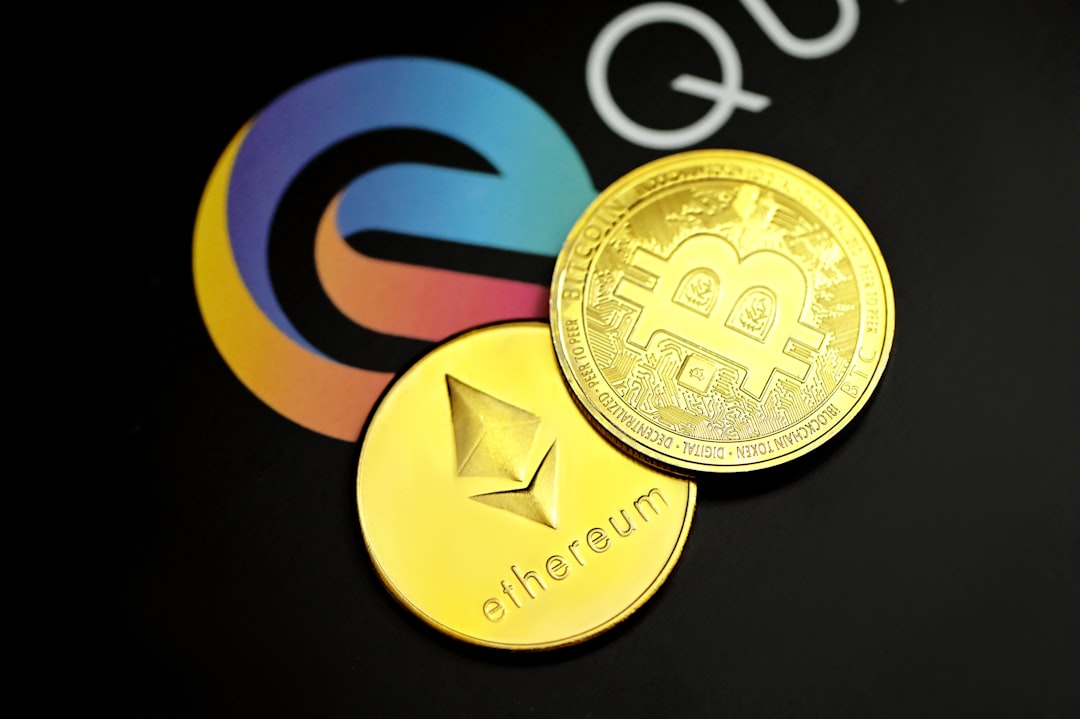
Crypto forecasts for 2026 range from cautious to audacious. Analysts predict Bitcoin's potential run to $240K and Ethereum’s rise as the backbone of global finance.
The crypto markets in 2026 have entered a new era, marked by cautious optimism, wild predictions, and a major shift in institutional adoption. Analysts are split between taking a conservative approach to Bitcoin's valuation or predicting a groundbreaking rally to $240,000. Meanwhile, Ethereum is being recognized as critical financial infrastructure, and other blockchain projects like Solana and prediction markets are finding their stride. Let’s break down the year’s biggest trends shaping the cryptocurrency space.
Bitcoin: Consolidation or Meteoric Rise?
Bitcoin remains the epicenter of the crypto world, continuing to draw analysts’ attention with its dramatic price movements. After reaching an all-time high of $126,000 in 2025, Bitcoin’s value has since settled at approximately $60,000 as of April 2026. While some see this as a bear market phase, others argue it’s a period of consolidation before a possible breakout.
Traditional financial institutions like Standard Chartered have recently revised their end-of-year Bitcoin forecast down to $100,000, citing broader macroeconomic factors such as the Federal Reserve's hesitation to cut interest rates. However, technical analysis suggests a wildly different scenario. Fibonacci extensions point to the possibility of a rise to $240,000, a valuation that would solidify Bitcoin's dominance in the global financial landscape.
Such lofty predictions are not unwarranted. Bitcoin adoption among institutional investors has reached new levels. Over 170 publicly listed companies now hold Bitcoin, framing it not just as "digital gold" but as a strategic reserve asset. This growing institutional interest may reduce the hyper-volatility that has historically characterized Bitcoin’s price movements. While that’s great news for long-term investors, it might disappoint thrill-seeking traders.
Ethereum: From Sidekick to Critical Financial Infrastructure
Ethereum has always been described as second to Bitcoin, but 2026 is shaping up to be a defining year for the platform. Analysts predict Ethereum could decouple from Bitcoin’s price drama, carving out its own trajectory as the backbone of decentralized finance (DeFi) and tokenized assets.
What sets Ethereum apart is its increasing utility. It’s not just a cryptocurrency; it’s becoming the plumbing for the global financial system. Ethereum’s blockchain now facilitates the movement of tokenized government T-bills, corporate treasuries, stablecoins, and more—amounting to transactions worth $1.2 trillion. In this sense, Ethereum is less like gold and more akin to the electricity powering modern life.
However, challenges remain for Ethereum. Gas fees, a point of contention since its inception, continue to deter small-scale users. The upcoming "Clarity Act," which could clarify regulatory frameworks for blockchain-based systems, is seen as a critical step. If successful, the act might provide Ethereum the legal recognition it needs to further embed itself in traditional financial systems. Some analysts even speculate that we may soon see Ethereum outperforming Bitcoin in market utility.
Solana and Real-World Asset Integration
Solana has entered 2026 with impressive reliability, boasting 100% uptime—a notable achievement given its past network outages. This operational consistency has made the blockchain a favorite for real-world asset (RWA) integration, such as tokenizing real estate and other tangible resources. Solana’s efficiency and speed also make it a strong contender in the race for widespread blockchain adoption.
While Solana has historically been a sleeper in comparison to Ethereum and Bitcoin, its newfound position as a reliable network could give it significant staying power. Investors and users alike are paying attention.
Prediction Markets: Betting Beyond Crypto
While mainstream attention has largely fixated on Bitcoin and Ethereum, prediction markets have quietly surged in popularity. Platforms like Polymarket and Kalshi report monthly trading volumes exceeding $20 billion, showcasing how blockchain can enable speculative markets on anything from geopolitical events to the weather.
The integration of cryptocurrencies like Bitcoin within these platforms creates fascinating loops. Investors can use Bitcoin to bet on the price of Bitcoin itself or other future outcomes, effectively merging speculative investing with blockchain's secure infrastructure. Although niche today, prediction markets clearly demonstrate the adaptability of blockchain technology in addressing various use cases.
Institutional Involvement Shifts Market Dynamics
Perhaps the most significant trend in 2026 is the growing institutional presence in the crypto market. What began as “magic internet money” has transitioned into a “strategic reserve asset” widely accepted by banks, investment funds, and corporations. The dominance of institutional players has led to more mature market behavior, characterized by smaller, steadier price movements rather than drastic booms and busts.
This institutional adoption is a double-edged sword. On one hand, it provides the crypto market with increased legitimacy and stability. On the other, it signals a growing departure from the retail-driven ethos that led to cryptocurrency’s initial rise. For long-time enthusiasts, the excitement of rallies driven by grassroots movements is being replaced by calculated, spreadsheet-driven analysis by pension funds and corporate treasuries.
Key Takeaways for the 2026 Crypto Market
The 2026 crypto landscape underscores how far the industry has come—and how much further it might go. Bitcoin remains the anchor of the market, with potential valuations ranging from a conservative $100,000 to an eye-popping $240,000. Ethereum is proving itself indispensable, serving as the infrastructure for the tokenization of trillions in assets. Meanwhile, networks like Solana are gaining traction for their operational reliability, and prediction markets are opening up new possibilities for blockchain applications.
Looking ahead, regulatory clarity, technological upgrades, and shifting investor demographics will play pivotal roles in shaping the market. While the journey may be bumpy, cryptocurrencies are closer than ever to being integral parts of the broader financial system.
For investors, the next few months may demand patience, strategy, and a willingness to embrace uncertainty. Whether Bitcoin hits $240,000 or Ethereum dominates global finance, the only sure thing is that the crypto market will remain as dynamic as ever.
Staff Writer
Priya writes about blockchain technology, DeFi, and digital currency regulation.
Comments
Loading comments…


