Japan Intervenes in Currency Markets While XRP Gains Ground in Asia
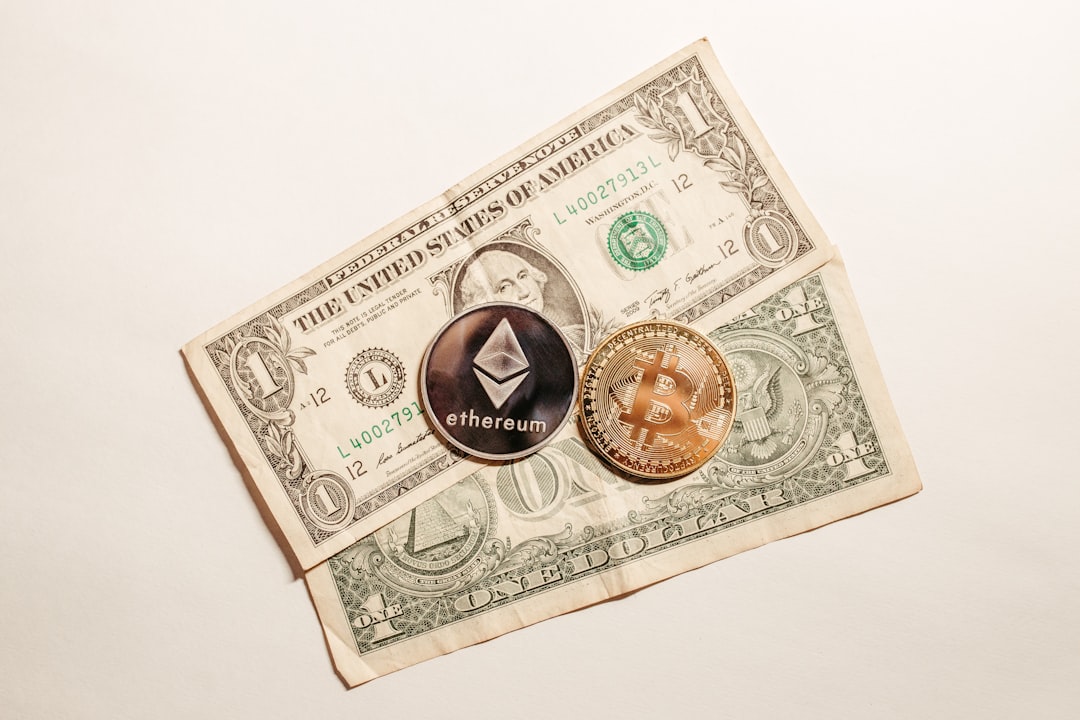
Japan intervenes in currency markets to stabilize the yen, while Ripple expands XRP adoption in the region. How these developments intersect and what they mean.
Japan's Ministry of Finance has intervened in the country's currency markets once again to stabilize the yen against the U.S. dollar. This action comes as the yen weakened to the critical 160 USD/JPY threshold, prompting the Bank of Japan (BoJ) to act decisively without altering interest rates. At the same time, Ripple's XRP token is gaining traction in Japan and other Asian markets as digital asset adoption sees notable growth in the region. The timing of these two developments raises questions about how traditional financial policies and blockchain-based solutions might intersect in global markets.
Japan's Currency Market Intervention
Japan's currency markets have been under significant pressure, with the yen weakening sharply against the U.S. dollar. The Ministry of Finance stepped in to conduct a high-profile intervention, which was also reported by Japanese outlet Nikkei. The move was aimed at curbing "excessive and disorderly movements" in the market. Historically, the 160 USD/JPY mark has often been a trigger point for the BoJ to act.
Unlike altering interest rates, which were left unchanged by both the Federal Reserve and the BoJ earlier this week, this intervention directly targeted currency valuation. Strengthening the yen impacts what is known as the "carry trade." For years, global investors have leveraged cheap borrowing in yen to finance investments offering higher yields elsewhere. However, as the yen strengthens and Japanese bond yields rise, these trades unravel, forcing investors to unwind their positions and potentially roiling global markets.
This latest intervention showcased its impact in the bond market. Japan’s 10-year bond yield surged to 2.5%, while the 40-year bond climbed beyond 4%, heights not seen since the late 1990s. The knock-on effects were also felt in global bond markets, including in the United States, where the 10-year Treasury yield touched nearly 4.5%. With rates holding steady but markets reacting briskly, the BoJ appears to be walking a fine line to prevent yen volatility without inducing broader market distortions.
Ripple's Expansion in Japan and XRP Adoption
Amid Japan's forex intervention, Ripple's XRP token has seen noteworthy developments in the region's blockchain and digital payments ecosystem. Japanese e-commerce giant Rakuten has integrated XRP into its Rakuten Pay app, enabling its 44 million users to redeem $23 billion worth of Rakuten loyalty points for XRP. The app also allows users to spend XRP across its network of 5 million merchant partners.
This is a major milestone for XRP as it represents one of the largest retail deployments of the cryptocurrency globally. To put it in perspective, the Rakuten Pay integration is akin to combining Amazon's and Temu's capability to convert loyalty points into cryptocurrency and use them for direct spending. The practicality of this utility could help drive XRP adoption further in a country that is already known for its blockchain-friendly regulations.
Broader Implications for Crypto and Traditional Finance
The intersection of these two events—the intervention in traditional currency markets and XRP’s growing adoption—shines a light on the dynamic tension between legacy financial systems and emerging blockchain technologies. Japan's intervention emphasizes the fragility of the global financial system in the face of shifting economic pressures. Meanwhile, Ripple's expansion portrays digital assets as part of the solution for liquidity and efficiency challenges in the global financial system.
Japan has historically been a strong advocate for blockchain and cryptocurrency innovation. Its well-regulated digital asset framework has attracted industry heavyweights like Ripple to invest in the region. Unlike speculative trading, projects like Rakuten’s XRP integration showcase the utility of blockchain technology in real-world scenarios, such as payments and loyalty programs. This can not only boost mainstream acceptance but also shift the narrative around crypto from volatile investment vehicles to essential financial tools.
Ripple’s Larger Moves: Middle East and Beyond
While Japan remains a focal point, Ripple has also expanded its presence in the Middle East. The company recently opened a new regional headquarters in Dubai. The significance of the Middle East and North Africa (MENA) market lies in its demand for blockchain-based payments, particularly for cross-border remittances and treasury solutions.
Ripple has secured several regulatory approvals in the region, including recognition by the Dubai Financial Services Authority. The launch of this new office aims to bolster Ripple’s operations, with plans to double its team in the region. As geopolitical tensions rise and economic shifts continue, the potential for tokenized assets, including commodities such as oil, presents a promising frontier for blockchain applications.
Challenges and the Road Ahead for Crypto
Despite these advancements, crypto faces its own set of challenges. On social media platform X (formerly Twitter), crypto has become the most muted topic, reflecting growing disillusionment among retail investors. Factors like the ongoing bear market, pump-and-dump schemes, and regulatory uncertainty have tarnished the reputation of the digital asset sector for many casual investors.
However, Ripple's strategy during this downtrend highlights a different narrative. The company continues to invest heavily in infrastructure, acquisitions, and market expansion to solidify its foundation for long-term relevance. This contrasts sharply with the speculative projects dominating crypto headlines, many of which lack sustainable business models.
Conclusion
Japan's intervention in its currency markets underscores the complexities of managing economic stability in a volatile global environment. Meanwhile, Ripple and XRP’s strategic entry into Japan’s payment ecosystem signals the broader potential of blockchain to solve real-world financial issues. While these developments operate in separate spheres, their overlap raises important questions about the future of global finance—questions that the cryptocurrency and blockchain industries are poised to address.
As central banks, governments, and financial institutions look for solutions to ongoing liquidity and efficiency issues, blockchain technologies like XRP appear well-positioned to play a significant role. Ripple's success in Japan and other regions provides a glimpse into the possibilities of collaboration between established financial systems and the innovations offered by digital assets.
Staff Writer
Priya writes about blockchain technology, DeFi, and digital currency regulation.
Comments
Loading comments…


