Navigating Market Volatility: Why 2026 Is Proving Challenging for Investors
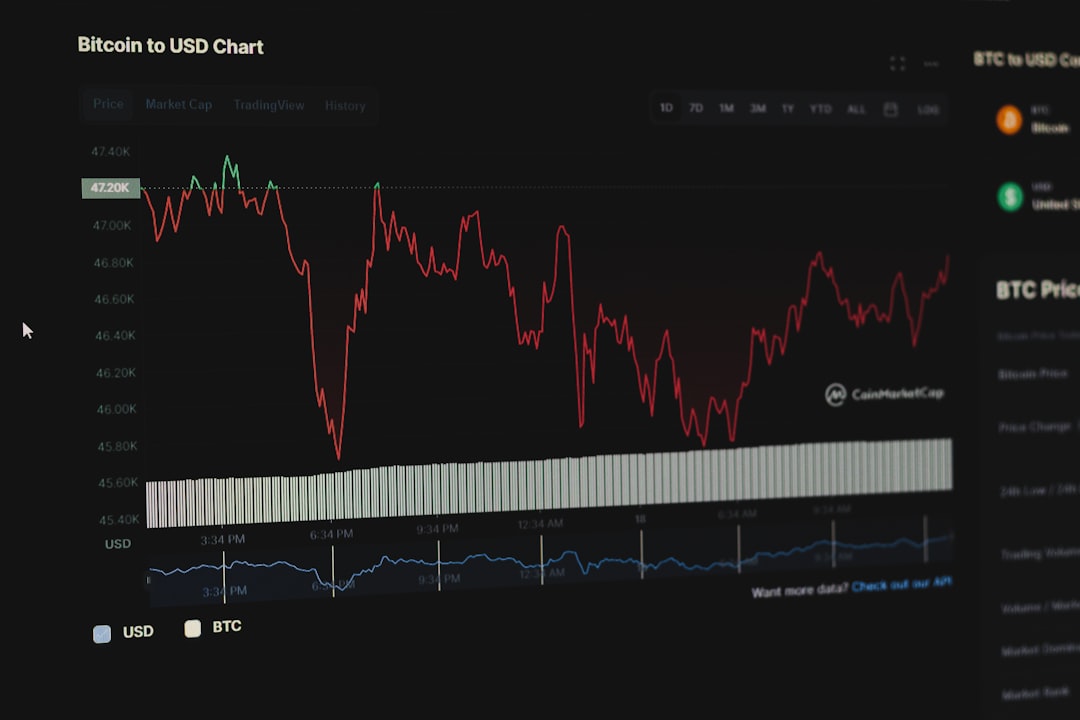
The 2026 stock market faces hurdles, from geopolitical tensions to tech sector adjustments. Here's an analysis of key trends shaping investment strategies.
The 2026 Stock Market: A Year Marked by Challenges
The 2026 stock market is testing investors' patience, as analysts describe it as a "revaluation phase." From geopolitical instability to sector-wide adjustments, the year has been unpredictable. With so much volatility, making consistent profits is proving to be a challenge for many.
Tom Lee, a well-known market strategist, pointed out that although the first half of the year started with cautious optimism, the back half may offer better opportunities. However, the market's unpredictable swings and sensitivity to external triggers are leading analysts to prioritize long-term positioning over short-term gains.
The Role of Geopolitical Events and Oil Prices
Early in 2026, a single social media post from former President Trump illustrated how fragile market confidence can be. Over a five-day "calm period" in global news, the market added $1.7 trillion in value, only to see much of that optimism evaporate within days. Analysts argue that these movements have less to do with earnings or fundamentals and more with immediate emotional reactions to external events.
Oil prices have become a focal point for economic predictions. While crude oil prices briefly declined after signs of potential conflict resolution in the Middle East, they remain elevated, hovering near $91.7 per barrel. This sustained high price level has fueled inflationary concerns, delaying hopes for a rate cut by the Federal Reserve. In a year where every dollar counts, fluctuating oil prices will likely play a critical role in influencing both consumer behavior and corporate profit margins.
High Inflation and Its Impact
For investors, inflation remains a key factor contributing to reduced market returns in 2026. Persistently high energy prices are feeding into overall inflation, which is complicating monetary policy decisions. Analysts suggest that while interest rate cuts are still possible later in the year, they are by no means guaranteed. Delays in cutting rates may compress corporate earnings, keeping growth subdued.
Historically, markets look forward to cooling inflation as a signal of broader economic recovery. However, 2026 is painting a different picture, one where patience is critical, and strategic positioning will likely yield better results than chasing short-term market highs.
Sector Analysis: Winners and Losers
Tech Struggles
Tech stocks, a core driver of market growth in recent years, have hit a rough patch in 2026. Major index components like Google, Microsoft, and NVIDIA continue to struggle as their valuations reorient to reflect slower growth. Despite posting strong earnings, these companies have yet to meet high investor expectations for breaking bearish theses.
For instance, legacy software companies face increased headwinds as startups like Anthropic Cloud introduce disruptive AI platforms. There’s a strong belief in the market that more transformative quarters are needed before the sector regains momentum.
Energy and Fintech
Energy stocks have been a standout, with Chevron and Exxon Mobil leading gains due to high oil prices. Meanwhile, fintech companies like Dlocal (DLO) and Shift4 Payments (FOUR) have exhibited resilience, standing out among a generally red equity landscape. Notably, Shift4 saw a surprising 10% pop in share price in spite of broader sector volatility—possibly due to its high short interest position.
Gold’s Record Decline
In another indicator of the year’s peculiar market trends, gold prices have dropped for nine consecutive days, hitting a rare low not seen since before 2015. Although historically gold has reversed after such rare streaks, its 2026 performance underscores how little is offering a consistent safe haven amid this volatility.
| Sector | Performance | Notable Players |
|---|---|---|
| Big Tech | Struggling | Tesla, Apple, NVIDIA |
| Energy | Strong | ExxonMobil, Chevron |
| Fintech | Mostly Mixed | Dlocal, Shift4 Payments |
| Commodities (Gold) | Weakening | Gold ETFs |
Expert Opinions and Market Predictions
Tom Lee continues to predict a year-end S&P 500 target of 7700 despite the market challenges. Lee believes the estimate is conservative given historical trends showing market rebounds post-geopolitical conflicts. He also emphasized that while the ongoing Middle Eastern tension has added near-term uncertainty, its eventual resolution could create substantial upside opportunities.
At the same time, Lee noted that inflation and the decisions by central banks will greatly influence investor sentiment. He argued that "wars have historically been beneficial for the U.S. economy," but stopped short of endorsing any rush to deploy capital. Lee advocates for measured investments toward sectors with long-term potential, such as energy and AI.
Key Takeaways for Investors
- Focus on Long Term: Short-term market volatility, while unsettling, often leads to significant long-term opportunities. Planting seeds in down years like 2026 can yield higher returns in subsequent periods.
- Energy Dominates: With oil prices at elevated levels, energy companies are proving to be refuges in an otherwise uncertain market.
- Patience in Tech: Despite structural headwinds, strong fundamentals in big tech suggest potential rebounds if bearish fears on AI disruption are invalidated.
- Inflation Watching: Investor strategies should account for the possibility of sticky inflation throughout 2026, with interest rate cuts remaining uncertain.
Conclusion
For many investors, 2026 underscores the futility of seeking short-term growth in a market riddled with unpredictability. While challenges like inflated energy costs and slow-moving tech corrections dominate, this volatility is creating fertile ground for forward-looking investors. With sectors like energy showing resilience and innovations in AI hinting at future potential, long-term strategies appear to be the order of the day. Positioned well, patient investors could find that 2026 is less a lost year and more a prelude to stronger returns ahead.
Staff Writer
James covers financial markets, cryptocurrency, and economic policy.
Comments
Loading comments…


