Oil market chaos disrupts global economy, sparks challenges for crypto and stocks
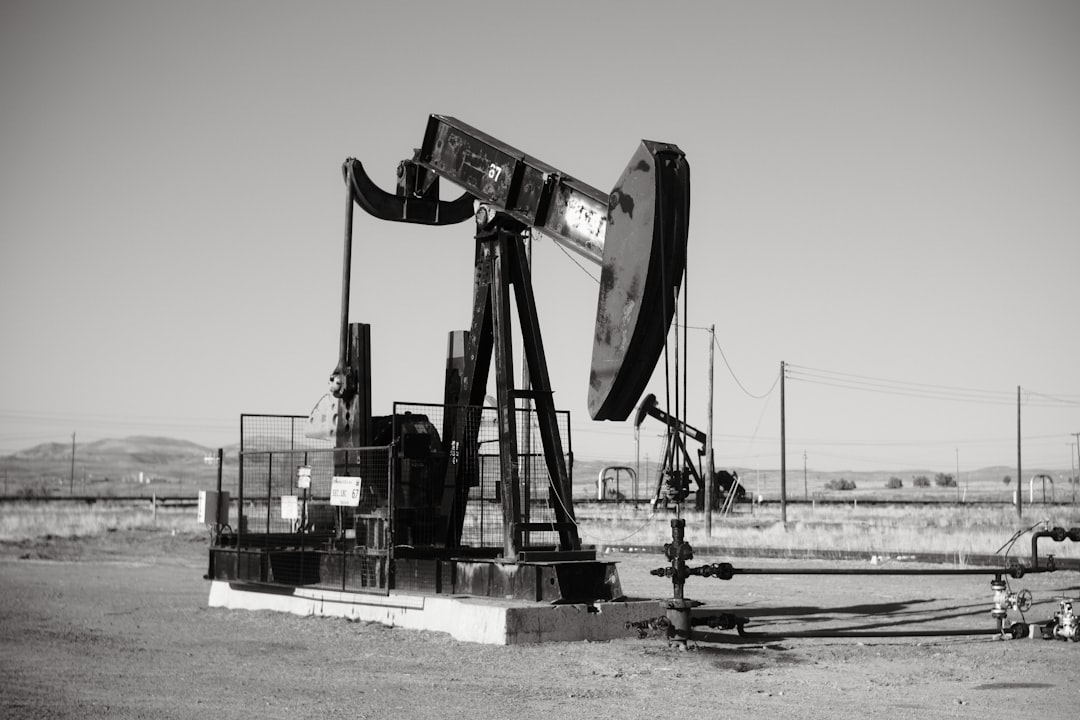
Rising oil prices fueled by Middle East tensions are affecting the global economy, including energy costs, inflation, and the crypto and stock markets.
The global economy is experiencing a turbulent period as escalating geopolitical tensions in the Middle East result in significant disruptions to energy markets. Rising oil prices are creating ripple effects on inflation and the financial markets, including cryptocurrencies and stocks. Here’s an in-depth look at the ongoing situation and its implications.
Middle East tensions fuel rising oil prices
Recent military activities in the Middle East, especially involving Iran and Israel, have placed a strain on global oil supply chains. An Iranian strike on Qatar's Ras Laffan liquefied natural gas (LNG) facility, which accounts for 20% of global LNG production, has led to extensive damage. This disruption could significantly affect Europe’s energy supply into late fall and potentially next winter. Though the situation is still evolving, the likelihood of prolonged energy shortages has increased.
Oil prices have been steadily climbing, with crude oil now trading near $100 per barrel, a sharp jump from earlier levels. Gas prices are following suit, with averages edging toward $4 per gallon in the U.S. Analysts warn that $5 per gallon would have severe economic consequences, particularly for consumer spending and midterm elections.
The Pentagon’s massive war spending proposal
Compounding economic fears, the U.S. Pentagon has requested $200 billion in funds for Iran-related military operations. To put this figure in perspective, this exceeds the entire three-year Ukraine aid package, which amounted to $188 billion. Should this proposal proceed, it could push the federal deficit even higher, further impacting markets and the overall economy.
Energy market disruption timeline
- Current oil price: $100 per barrel (approx.)
- Past price spikes: A similar surge was seen in 2021, but over six months, not 30 days.
- LNG facility damage: Affects 20% of global supply, with full repairs possibly extending into 2024.
Supply chain concerns extend beyond oil
The disruption isn’t confined to energy. The Middle East conflict is affecting vital resources like helium and fertilizers. Helium, which is critical for data centers, is experiencing supply shortages. Fertilizer shortages could ripple into agricultural productivity, raising concerns for global food security. With so many essential commodities tied to this conflict zone, the potential for broader supply chain breakdowns increases every day.
Specific supply chain risks
- Helium: Essential for cooling systems in industries like data centers.
- Fertilizer: Key for major farming economies, with reductions affecting global food prices.
Stock, crypto markets under pressure
Financial markets have started reacting to these developments. The stock market is under pressure as key indices like the S&P 500 show downward trends. Similarly, Bitcoin has retraced from its earlier highs and is hovering in the $60K range. Other cryptocurrencies are also experiencing increased volatility as investors weigh broader economic concerns.
Crypto trends:
- Bitcoin retraced by 6% from its peak following initial geopolitical tensions.
- If the market continues its bearish trend, Bitcoin could drop by as much as 30%, according to analysts.
The Federal Reserve is closely watching these developments. Jerome Powell, during a recent Federal Open Market Committee (FOMC) meeting, acknowledged that higher energy prices will push inflation up in the near term. However, the full scope and duration of inflation’s impact remain uncertain.
Aligning Fed policy with economic challenges
Job creation numbers in the U.S. have fallen flat recently, with zero net private sector job growth reported. This compounds the challenges faced by policymakers. Rising unemployment, escalating energy prices, and increased federal spending leave the Federal Reserve with few options. Future rate hikes, already expected by many analysts, could further burden both the economy and financial markets.
Potential Fed rate hikes:
- Current probability of a rate hike: 16-18% by mid-March 2024.
- Projection of further hikes if inflation spikes due to energy costs.
The geopolitical angle and digital assets
On the geopolitical side, Iran is negotiating with multiple countries for passage along oil routes, with China and the yuan playing a central role. Meanwhile, blockchain and digital assets could emerge as part of a long-term solution for tracking private credit markets and creating financial transparency. As former CFTC Chair Christopher Giancarlo pointed out, blockchain’s ability to log financial exposures in real time could modernize the financial system.
China remains a wildcard in the crypto space, with speculation about its development of blockchain-backed digital assets, potentially tied to gold. While Hong Kong has made headway in crypto adoption, it remains small in comparison to global markets dominated by the U.S.
Digital asset developments:
- Tokenized equities have surged from $100M to $4B since 2025.
- U.S. continues to maintain dominance in crypto markets despite Hong Kong’s rise.
Practical takeaways for investors
- Monitor oil prices: The rapid rise in oil and gas prices could signal further financial tightening.
- Diversify portfolios: In volatile times, a mix of cryptocurrencies, traditional assets, and commodities like gold and silver may provide stability.
- Prepare for rate hikes: With inflation pressures mounting, higher interest rates may be on the horizon.
- Stay informed on supply chains: Agricultural commodities, energy stocks, and related sectors could see price movements depending on conflict resolution.
- Watch geopolitical developments: Decisions by major powers, including the U.S. and China, will impact markets significantly.
Conclusion
The chaos in the oil market, compounded by geopolitical tensions, has triggered wide-reaching economic challenges. From higher inflation driven by energy costs to disruptions in supply chains and volatile financial markets, this situation is pushing the global economy into uncharted territory. Investors and policymakers alike face difficult decisions in the months ahead as they navigate a period of uncertainty.
Staff Writer
Priya writes about blockchain technology, DeFi, and digital currency regulation.
Comments
Loading comments…


