Should You Sell All Your Bitcoin in May? The Data Tells a Different Story
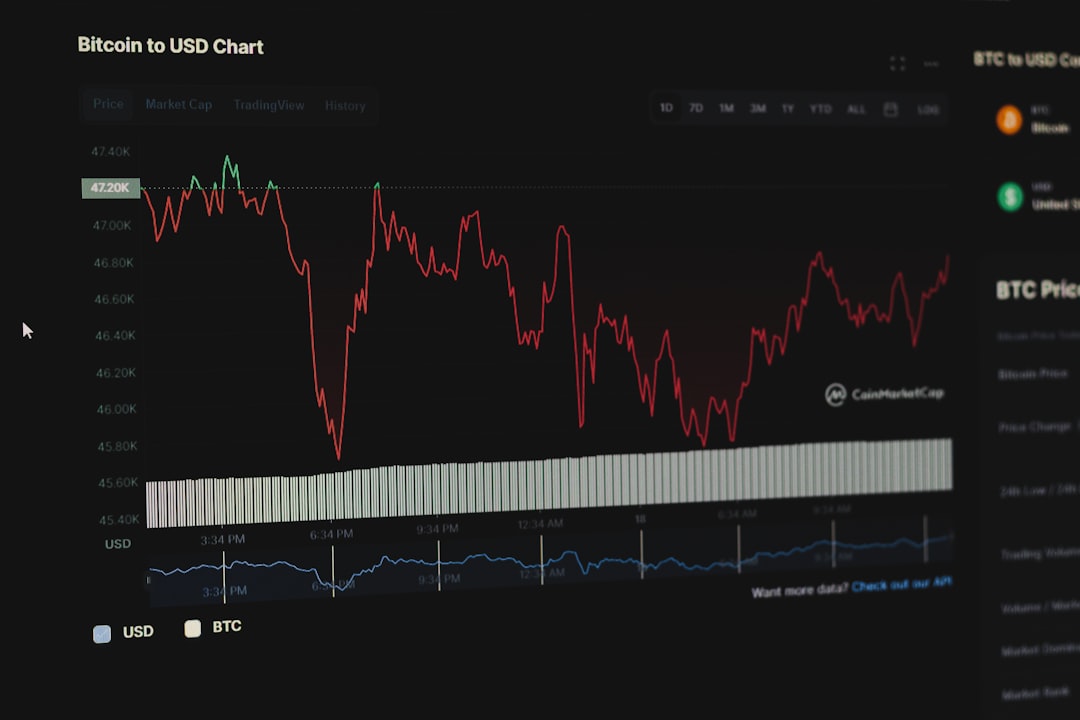
The 'Sell in May’ rule may not apply to Bitcoin or stocks this year. Historical data shows May to July are often strong months, especially for Bitcoin.
The phrase “Sell in May and go away” has echoed across financial markets for decades. Originating on the 19th-century London Stock Exchange, the adage refers to a time when aristocrats left the city for their summer retreats, taking trading volumes down with them. The modern version assumes a seasonal decline in stock performance during the summer months. But can the same rule apply to Bitcoin and other cryptocurrencies in 2026?
The theory may sound smart. In practice, the data tells a different story—especially when it comes to cryptocurrencies like Bitcoin, a 24/7 global market that operates far outside the seasonal confines of traditional equities. Before making a selling decision this May, it’s worth diving into the historical data.
Bitcoin’s Track Record in May: The Numbers Don’t Lie
When we look at Bitcoin’s performance since its inception, the data stands in opposition to the “Sell in May” strategy. The average historical return for Bitcoin in May is an impressive 22.1%, making it one of the strongest months for the cryptocurrency. June and July are also historically positive, averaging returns of 8.2% and 10.1%, respectively.
From 2011 to 2025, the trend has been clear: in 10 out of 15 years, Bitcoin rallied significantly in the months following May. For instance:
- 2019: Bitcoin surged 52% in May. Those who sold missed a subsequent 25% gain in June, driven by Facebook’s Libra announcement.
- 2017: In the midst of a bull run, Bitcoin rose 47% in May, followed by an additional 24% gain spread across June and July.
- 2023: Although Bitcoin initially fell 7% in May, it rebounded by 11% in June after BlackRock filed for a spot Bitcoin ETF, marking a turning point for the market.
It’s clear that while short-term volatility may shrink returns in specific years, the broader seasonal pattern favors holding through the summer.
What About Stocks? Revisiting the Root of the Adage
The “Sell in May” mantra’s roots are in equities, not cryptocurrencies—specifically, the S&P 500. Since 2011, the average May return for the S&P 500 has been modest at 0.3%. However, the months following May—June and July—have demonstrated stronger performances, with average returns of 1% and 2.4%, respectively.
Notably, in 11 of the 14 years since 2011, selling in May meant missing out on significant gains. For example:
- 2023’s AI Rally: June and July’s combined returns reached 8.5%, driven by excitement around AI technologies like ChatGPT and Nvidia’s explosive growth.
- 2020 Stimulus Boom: June and July together saw a 10% rise, fueled by an unprecedented $3 trillion Federal Reserve stimulus package.
While there have been exceptions—such as in 2011, 2015, and 2022, when specific macroeconomic shocks (like a debt ceiling crisis or rate hikes) led to low returns—the data shows that selling equities in May generally underperforms a holding strategy.
Why “Seasonality” May Not Apply to Bitcoin
Unlike equities, Bitcoin is a decentralized, global asset class with no off-hours or summer vacations. It wasn’t created in the 19th century but in 2009, in the depths of the financial crisis, to operate free from the constraints of traditional markets. Applying a seasonal pattern from equity markets that originated due to aristocrats’ holiday schedules seems like intellectual inertia rather than sound logic.
Past data underscores this. While the S&P 500 benefits from some seasonality due to institutional holiday routines, Bitcoin’s 24/7 operating model makes it immune to such trends. Instead, Bitcoin’s price movements are driven more by macroeconomic developments, regulatory news, and adoption headlines than seasonal vacationing habits.
Catalysts That Have Broken the Trend
To be fair, there are cases where Bitcoin’s May performance has faltered. These rare instances have always been tied to external shocks:
- 2021: Elon Musk’s criticism of Bitcoin’s environmental impact and China’s sweeping ban on mining led to a 44% drop in Bitcoin’s value in May.
- 2022: The collapse of Terra Luna in a dramatic $40 billion meltdown sent shockwaves across the crypto market, sparking significant sell-offs.
- 2023: Regulatory uncertainty surrounding the SEC’s lawsuits against major players like Coinbase and Binance weighed heavily on the crypto sector.
In each of these cases, the declines were not driven by seasonality but rather catastrophic market-specific events.
The Three Wild Cards of May 2026
Looking ahead to this May, the environment appears especially unpredictable. Three major factors could impact markets—including Bitcoin:
1. The Federal Reserve Shakeup: Jerome Powell’s term as Federal Reserve Chair ends in May, with Kevin Walsh likely to take over. However, political intrigue around Walsh’s confirmation, coupled with the ongoing war-induced inflation, could lead to market turbulence.
2. The War’s Future: Geopolitical uncertainty could swing markets drastically. A negotiated ceasefire or settlement would likely spark optimism across markets, including Bitcoin. On the other hand, an escalation could deepen inflation fears and put downward pressure on assets.
3. Bitcoin’s Decoupling from Equities: As of March 2026, whale investors have been accumulating Bitcoin at the highest rate in 11 years, signaling confidence in its long-term potential. With the S&P 500 hitting all-time highs and Bitcoin still 42% below its peak, the crypto market might be primed for a strong comeback—potentially breaking away from its recent correlation with equities.
Trading the Catalyst, Not the Calendar
The key takeaway for both crypto enthusiasts and stock market investors is this: the calendar does not dictate market outcomes. In the modern, connected world, specific catalysts—policy changes, geopolitical events, technological advancements—drive market movements far more than seasonal trends.
Bitcoin’s historical data tells a clear story: selling in May may be a costly mistake. Whether it’s a 52% rally in 2019 or a recovery spurred by unexpected regulatory developments (as in BlackRock’s ETF filing in 2023), the market often rewards those who stay invested during the summer months.
This May, faced with unprecedented wild cards from the Federal Reserve to geopolitical tensions, it’s more important than ever to make decisions based on specific market drivers, not centuries-old stock market slogans. Whether you’re invested in Bitcoin, equities, or both, following the data—not the myth—is likely your best strategy.
Staff Writer
Priya writes about blockchain technology, DeFi, and digital currency regulation.
Comments
Loading comments…


