Stablecoins, Surveillance, and Sovereignty: Exploring the Genius Act
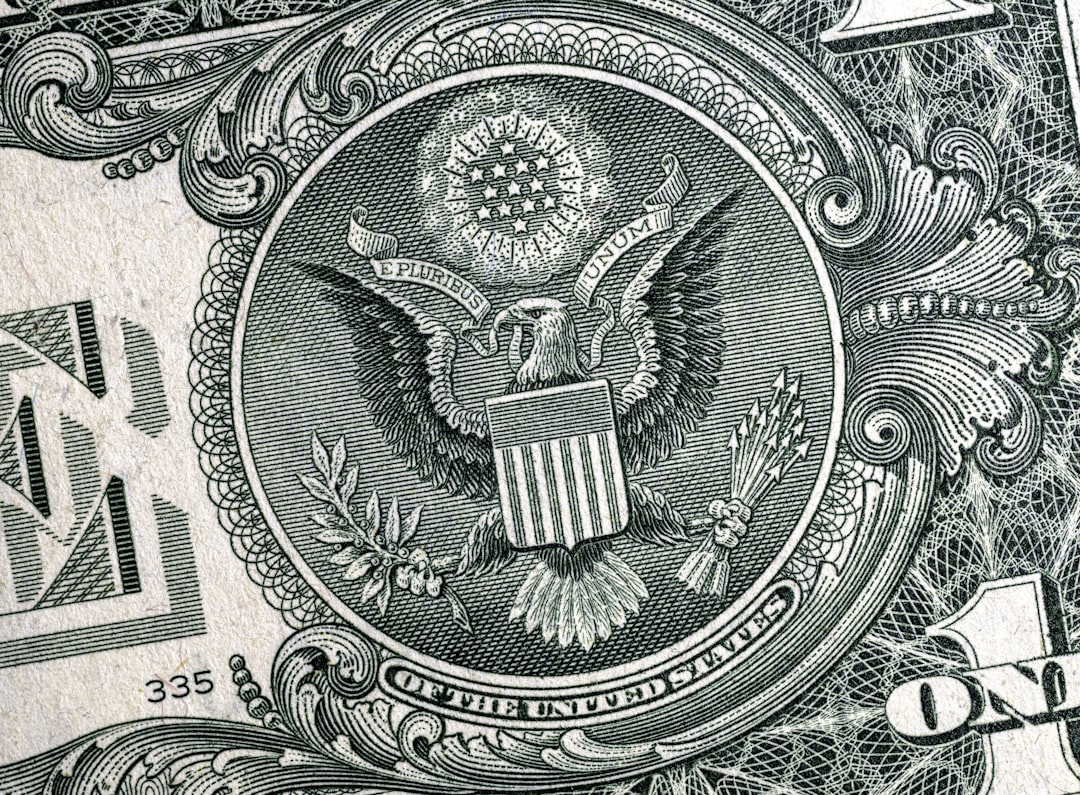
The Genius Act redefines stablecoins as a cornerstone of the U.S. financial system, raising both opportunities and privacy concerns.
On January 23, 2025, President Donald Trump signed Executive Order 14178, ostensibly to prohibit the creation of a Central Bank Digital Currency (CBDC) by the Federal Reserve. The stated purpose? To preserve financial privacy, sovereignty, and individual freedoms. But as that door firmly closed, another quietly opened. Embedded within the same directive was the encouragement of a regulatory framework favoring private, dollar-backed stablecoins.
Six months later, the Guiding and Establishing National Innovation for US Stablecoins Act, or Genius Act, became federal law. This legislation, while ostensibly aimed at fostering innovation, may have fundamentally transformed the U.S. financial system. Here’s an in-depth look at the Genius Act, its implications, and why it is being regarded as one of the most significant monetary shifts in decades.
What Does the Genius Act Mandate?
The Genius Act establishes strict parameters for stablecoin issuance:
- Backing Requirements: Every issued stablecoin must be backed 1:1 by short-term U.S. Treasury bills, cash, or overnight repurchase agreements tied to Treasuries.
- Federal Oversight: Issuers of stablecoins with over $10 billion in circulation must obtain a federal charter and operate under the supervision of the Treasury, the Office of the Comptroller of the Currency (OCC), and the Federal Deposit Insurance Corporation (FDIC).
- Consumer Yield Ban: Stablecoins cannot pay interest or any form of yield to holders. This ensures that any earnings from Treasury reserves flow directly to the issuing institution.
In practical terms, this framework forces stablecoin issuers into helping the U.S. Treasury finance its growing debt, while blocking retail users from benefiting directly from the proceeds.
A New Form of Digital Dollar
While the Genius Act explicitly bans a Federal Reserve-issued CBDC, it effectively creates a parallel system—a private-sector-led “digital dollar” backed by government debt. Unlike a CBDC, which could potentially return financial benefits to the public, the Genius Act’s architecture centralizes profits within a cluster of private stablecoin issuers.
For example, Tether and Circle, two dominant stablecoin issuers, have already demonstrated the immense scale of this model. By December 2025, Tether's holdings of U.S. Treasuries reached $122 billion, making the company the 17th largest holder of U.S. government debt, ahead of nations like Saudi Arabia and South Korea. Combined with Circle, another stablecoin giant, these two entities manage Treasury reserves totaling nearly $200 billion.
Stablecoins are emerging as a critical buyer class for America’s short-term government debt at a time when foreign investments are declining. According to Treasury Secretary Scott Bessins, stablecoins are designed to fill the gap left by foreign creditors who have been steadily reducing their U.S. Treasury holdings. By mandating that stablecoins are backed by this debt, Washington has ensured a consistent domestic buyer base for its short-duration paper.
The Consumer Tradeoff: Convenience vs. Control
For consumers, stablecoins promise digital convenience—seamless payments, operational efficiency, and the elimination of physical cash. However, the cost of this convenience goes far beyond monetary concerns.
Under the Genius Act, stablecoins are fully programmable, which allows issuers and regulatory agencies to exert unprecedented control over how money is used. Recent history underscores just how vulnerable this system is to potential abuses. For instance, in response to regulatory pressure, Circle froze wallets tied to Tornado Cash, marking an alarming precedent for direct intervention without full judicial oversight. Going forward, all stablecoin issuers are required to maintain capabilities to block, freeze, or reject transactions flagged by the government as suspicious.
This programmable framework theoretically enables safeguards against money laundering and criminal use. However, critics argue that the same mechanisms could be weaponized against political dissenters, activist groups, or any individuals deemed inconvenient by authorities. Furthermore, the Genius Act eliminates the anonymity of cash transactions, making every payment traceable.
Financial Institutions Get Onboard
Financial giants once skeptical of cryptocurrency are now deeply invested in the stablecoin ecosystem, largely due to its profitability. JP Morgan, BlackRock, and other institutions have not only embraced stablecoins but are building foundational infrastructure to capitalize on this system.
- JP Morgan’s Blockchain Platform: Rebranded as Kexus, the platform processes over $5 billion in institutional transactions daily and supports JP Morgan’s digital deposit token, JPMD.
- BlackRock’s Tokenized Funds: Holding billions in assets, BlackRock has integrated stablecoin-related transactions into its investment portfolios as a lucrative income stream.
- Coinbase and Circle Distribution: Circle, which issued the USDC stablecoin, shares reserve income with Coinbase. Its valuation has climbed significantly following its approval to operate as a national digital currency bank.
The Genius Act magnifies the power of these financial institutions, many of which were initially critical of blockchain technologies. Now, they stand poised to extract fees at multiple layers of the digital payment ecosystem.
Risks and Systemic Dependence
Despite its many layers of federal oversight, this new architecture is far from risk-proof. Stablecoins themselves, touted as a seamless bridge between traditional finance and digital currency, have already shown vulnerabilities. In 2023, Circle’s reserves at Silicon Valley Bank were briefly inaccessible amid the bank’s collapse, leading to a temporary loss of the stablecoin’s peg. This event underscored how intertwined stablecoins have become with the banking sector they were supposedly designed to circumvent.
Scale this issue to potential combined reserves of $2 trillion—Secretary Bessins’ projection for stablecoin market growth by 2030—and the risks become systemic.
The Big Picture: What’s at Stake?
The Genius Act represents a paradigm shift in U.S. payments and monetary policy. By institutionalizing a framework for Treasury-backed, programmable stablecoins, it achieves multiple goals: ensuring demand for U.S. debt, modernizing payment systems, and embedding regulatory oversight into every layer of digital transactions. Yet these benefits come at the cost of consumer yields and individual financial privacy.
Is this tradeoff worth it? Supporters argue that stablecoins bolster the dollar’s global reserve status and unlock efficiencies in payments. Critics, however, see this as a move toward centralized control, abandoning the original peer-to-peer ethos of cryptocurrency.
The Genius Act stands as a litmus test for the future of money in the United States—a transformative policy with implications that will ripple across economies, societies, and personal freedoms.
Staff Writer
James covers financial markets, cryptocurrency, and economic policy.
Comments
Loading comments…


