Stock Market Volatility Looms Amid Iran Conflict De-escalation Talks
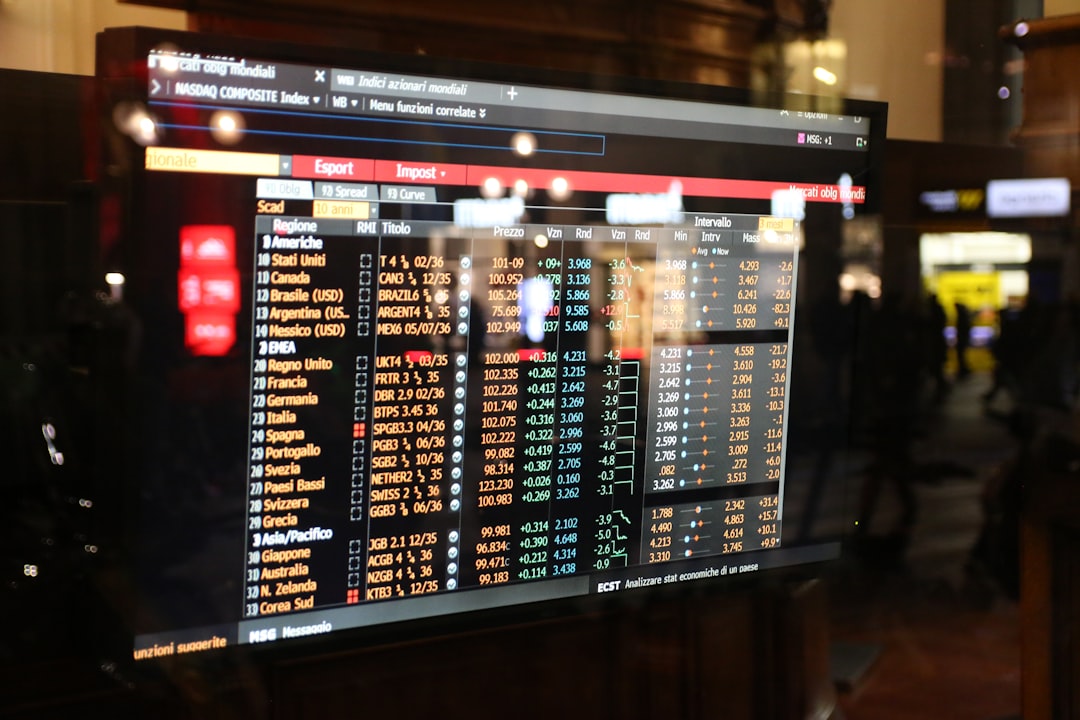
Stock markets brace for volatility as geopolitical tension with Iran could ease, potentially affecting oil prices, bond yields, and overall market sentiment.
Stock Market Braces for Wild Swings as Iran Dialogues Progress
The stock market is poised for significant movement this week as global investors react to key geopolitical developments in the ongoing conflict between the United States and Iran. Discussions surrounding potential de-escalation, coupled with pivotal economic indicators, are expected to drive volatility across equities, commodities, and bonds. Friday’s performance offered early signs of market reactions, highlighted by moves in U.S. treasury yields and oil futures.
The bond market’s equivalent to the VIX, Bank of America’s Move Index, surged by over 28% on Friday, signaling heightened uncertainty. Markets had already closed down about 1.5% that day, dipping below the 200-day moving average. After-hours trading turned slightly optimistic, however, with the S&P 500 up 0.73% amid hints of a possible wind-down in Iran-related tensions. But what lies ahead remains deeply tied to political maneuvers and investor risk tolerance.
What Happened Last Week?
Friday's Bond Market Fluctuations
The surge in the Move Index indicated growing apprehension among bond traders. Historically, spikes in this index often accompany market bottoms. For example, the index's large jumps in March 2023 and October 2023 coincided with notable corrections in equity markets, followed by recoveries. The treasury yield volatility stems from combined worries: oil price shocks, Federal Reserve policy uncertainties, and inflation concerns.
Geopolitical Updates on Iran Conflict
Late Friday, there were preliminary signals that the U.S. might reduce military operations in Iran, a stance further echoed in statements throughout the weekend. While markets initially reacted positively to the notion of de-escalation, the situation remains fluid. Iranian officials proposed reopening the Strait of Hormuz under strict conditions, including excluding U.S. and Israeli-affiliated vessels. Meanwhile, Trump set a 48-hour deadline for further military threats, increasing the stakes.
Implications for the Stock Market
Oil Price Reaction
Oil futures saw immediate fluctuation as speculation over the duration of the conflict heightened. Current futures pricing for March oil contracts is around $98.23 per barrel. If a resolution materializes, traders anticipate a sharp drop in oil prices, potentially stabilizing inflation expectations. Companies reliant on fuel, such as airlines and logistics firms, could see relief alongside a resurgence in consumer discretionary stocks.
On the flip side, no resolution—or worse, escalation involving targeted attacks on Iranian power infrastructure—would likely push oil prices further upward, aggravating inflationary pressures and hedging strategies in commodity markets.
| Scenario | Stock Market Impact | Oil Market Impact |
|---|---|---|
| Conflict De-escalation | Rise in consumer cyclicals, technology, and financials. | Oil prices could drop below $80/barrel. |
| Prolonged Conflict | Continued market volatility and bearish sentiment. | Prices remain elevated or climb higher. |
| Energy Infrastructure Hit | Select equities (energy sector) may rise temporarily. | Increased risk and higher oil prices. |
Inflation, Fed Policy, and Recession Fears
Rate hike projections intensified when the conflict began, with fears of extended inflationary pressures. Analysts fear elevated oil prices might weigh on consumer spending and industrial production, troubling earnings outlooks. On Friday, markets priced in a likelihood of additional rate hikes. However, de-escalation in Iran could soften this stance, potentially opening the door for rate cuts next year.
Bearish Sentiment at Extreme Levels
Investor sentiment reflects considerable pessimism. The CNN Fear and Greed Index sits at 15, deep in “extreme fear” territory. Key indicators such as market momentum, stock price breadth, and put-to-call ratios also point towards heavy bearishness. Such sentiment aligns with historical patterns during geopolitical tensions. According to analyses of over 30 conflicts since 1939, U.S. stocks usually bottom around the 15th trading day following geopolitical shocks. Currently, we’re nearing that point.
Upcoming Economic Events to Watch
While geopolitical developments dominate, several economic indicators will also shape market trends this week. Some of the major updates include:
- Chicago Fed National Activity Index (Monday)
- ADP Employment Change & PMI reports (Tuesday)
- Export/Import Prices & Bond Auctions (Wednesday)
- Fed Speeches (Thursday)
- Consumer Sentiment and Expectations (Friday)
These events, coupled with bond auctions and earnings from companies like Chewy, Beyond Meat, and Carnival Corporation, will provide clearer insights into broader market dynamics.
Practical Takeaways for Investors
For short-term traders and long-term investors alike, the situation calls for caution and an eye toward opportunities:
- Short-Term: If the Iran conflict indeed ends this week, expect a rally in beaten-down consumer cyclicals, technology, and financials. Equities tied to travel, semiconductors, and software may see a pronounced rebound.
- Oil Strategies: Speculative positions on crude oil futures should consider hedging for downside volatility if peace talks advance meaningfully. Conversely, prolonged uncertainty might support current pricing levels.
- Bond Market: Treasury yields will likely stabilize with any de-escalation, bringing some relief to high-yield and risk-averse investment strategies.
- Monitor Sentiment Indicators: Low RSI levels on the S&P 500, coupled with high Fear and Greed Index readings, signal oversold market conditions. Historically, these conditions bode well for buying opportunities.
Conclusion
As markets enter a critical week, all eyes are on the potential resolution of the U.S.-Iran conflict. The de-escalation could signal a turning point, triggering a rally in equities and stabilizing the recent turbulence in oil and bond markets. However, the fluidity of geopolitical developments and persistent bearish sentiment suggest caution is still warranted. For now, the key takeaway is that geopolitical overhangs, while significant in the short term, often pave the way for recovery.
Investors would be wise to focus on sectors poised for recovery upon positive headlines while remaining agile to manage risks stemming from further uncertainty. With critical economic data and earnings reports sprinkled across the calendar, this week could mark a pivotal moment for market sentiment and trajectory.
Staff Writer
James covers financial markets, cryptocurrency, and economic policy.
Comments
Loading comments…


