The looming oil shock: what the numbers are telling us
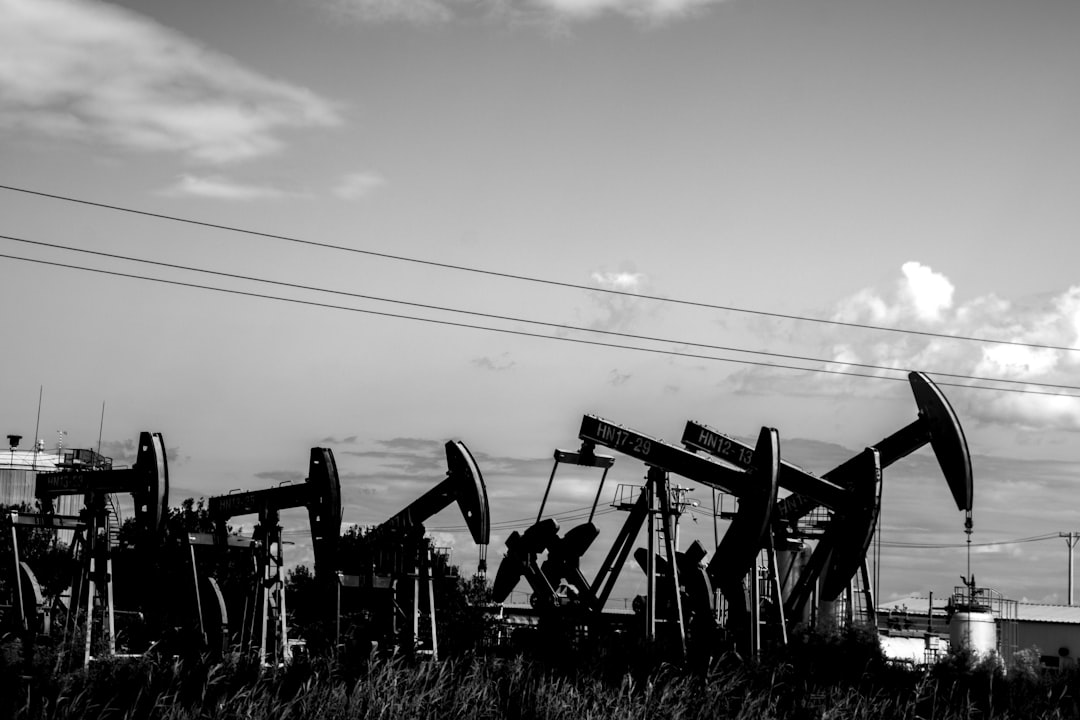
Rising oil prices and shortages could lead to global economic instability, as key supply disruptions widen the gap between paper and physical oil markets.
The world may be teetering on the edge of an unprecedented oil crisis—one with wide-reaching implications for global energy markets and economies. A confluence of geopolitical instability, supply disruptions, and financial market manipulations has created what some experts warn may be more disruptive than previous oil shocks. While reassurances from policymakers suggest business as usual, key indicators paint a very different picture.
Oil markets: Distorted pricing and manipulation
At the heart of the crisis is a growing disparity between paper oil prices (the tradeable futures markets) and physical oil prices (what it costs to procure and deliver oil). At present, Brent futures are priced at around $100 a barrel. However, the real-world price of oil that refineries or countries must pay for immediate delivery—termed dated Brent—is over $130, and in some cases even exceeds $160. This record gap reveals significant stresses in global energy markets.
Historically, paper oil and physical oil prices have closely mirrored each other, with small discrepancies during crises. However, the current divergence is unprecedented. One plausible explanation traces this to deliberate market manipulation. Large-scale short selling—bets on falling prices—was observed just before key political announcements designed to calm the markets. Investigations are underway to determine whether insiders are artificially deflating the paper market as a psychological buffer despite worsening real supply conditions.
Strait of Hormuz: The choke point of global energy
The Strait of Hormuz, through which one-fifth of the world’s oil flows, lies at the center of the supply disruption. Official reports signal fluctuating conditions—open one day, closed the next—but the reality appears far grimmer. Recent data show global oil supplies have fallen by somewhere between 8 and 13 million barrels per day, amounts that are extremely difficult to make up elsewhere.
For scale, the United States consumes around 20 million barrels of oil per day. This means the ongoing deficit equates to losing nearly half of America’s daily energy usage, every single day, for weeks. In total, the conflict in Hormuz has already removed an estimated 780 million barrels of oil from global supply—about twice the entire U.S. Strategic Petroleum Reserve (SPR). Alarmingly, the world lacks the capacity to replace this volume in the short term, driving up pressures on oil stocks and prices.
Global ripple effects: Who is affected and when?
The disruption has already hit various regions, starting with Asia, where countries like the Philippines and Thailand saw fuel prices skyrocket, prompting national emergencies. Fishing industries and transportation services have stalled due to unmanageable costs, while in India, the government restricted cooking fuel supplies.
Africa faces harsher conditions, with some nations diluting existing fuel reserves and rationing electricity. Europe, too, is grappling with mounting energy costs as deliveries have been curtailed since mid-April. Meanwhile, Australia is nearing the depletion of its emergency fuel reserves.
In the United States, the effects have so far been muted. However, buffer supplies that shielded the country are now running thin, with JP Morgan predicting that the situation will fully hit U.S. markets around April 20. After this, the physical supply shortages may force convergence between paper and physical prices, likely accelerating price spikes at the pump.
A potential global recession on the horizon
It’s not just fuel prices making headlines. Fertilizer costs, driven by disruptions in natural gas shipments (another casualty of the Hormuz blockade), are already climbing. Fertilizer like urea is a key input for global agricultural production, and rising costs will feed into elevated food prices within six to twelve months—setting the stage for broader inflationary pressures.
With energy and food costs rising, the International Monetary Fund (IMF) has sounded the alarm on a potential global recession if the Middle Eastern conflict continues. We’ve been here before. In 1973 and 1990, oil supply shocks of 7% led to deep market corrections and recessions. The current crisis, which removes nearly 15-20% of global oil supply, dwarfs those historical precedents in scale.
Lessons from history
Historical precedent suggests that markets initially underestimate supply shocks before adjusting disastrously. During the 1973 Arab Oil Embargo, stock markets held steady after an initial ceasefire, only to lose 52% of their value over the next 23 months. While Wall Street today is near record highs, this disconnect from Main Street, where consumer sentiment has plummeted, remains troubling. Historically, markets do not remain oblivious for long.
Short-term fixes but no lasting solutions
Current measures to stabilize prices include releasing emergency oil reserves and urging industrialized nations to cut energy consumption, but these fixes are temporary. Moreover, the oil market appears to be battling not only a supply shortage but also financial maneuvers that are temporarily suppressing futures prices. JP Morgan analysts predict a "short squeeze," where entities unable to deliver physical oil on contracts must buy back their positions at greatly inflated prices. This could trigger an even sharper price rally.
Beyond oil: Food, inflation, and bonds
Energy underpins modern economies. It’s how food reaches grocery stores and powers manufacturing lines. As energy prices rise, the domino effect will extend to groceries and broader inflation, burdening households globally. As seen in 2022, fertilizer price hikes directly translate to higher food costs, disproportionally affecting developing nations.
Finally, the bond market tells its own concerning story. Yields across major economies have shown patterns of instability, hinting at cracks in global economic confidence. Rising sovereign debt costs could exacerbate the effects of energy-driven inflation.
What happens next?
The next critical milestone is the arrival of the last oil shipments that predate the Hormuz closure. Once those reserves are fully tapped, physical shortages could spiral beyond manageable bounds. The cascading effects—on financial markets, supermarket prices, and household budgets—remain to be fully seen, but the warning signs are clear.
Policymakers, markets, and consumers alike must contend with the reality that the world has not faced an oil supply shortage of this magnitude in modern history. Effective solutions remain scarce, and the timeline for normalcy is unclear. Meanwhile, every aspect of the economy—transportation, manufacturing, agriculture—hangs precariously, waiting for the inevitable convergence of financial and physical oil realities.
Staff Writer
James covers financial markets, cryptocurrency, and economic policy.
Comments
Loading comments…


