Why Empty Office Buildings Are Costing Mid-Sized Cities Like Portland Millions
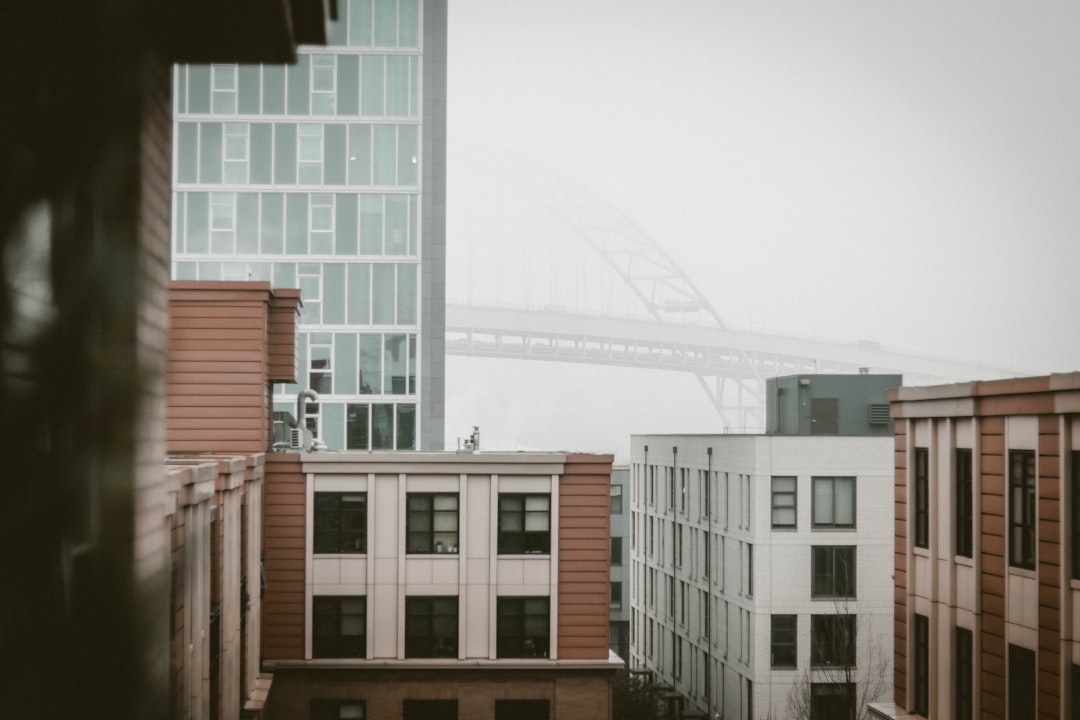
Portland's struggle with vacant office spaces underscores challenges many mid-sized cities face post-pandemic, from lost tax revenue to urban renewal efforts.
Portland, Oregon, like many mid-sized U.S. cities, is grappling with the lingering effects of the COVID-19 pandemic on its downtown core. Once known for its vibrant festivals, bustling restaurants, and robust business community, the city now faces a profound challenge: a glut of empty office buildings and vacant storefronts. This issue is not just a cosmetic one — it carries massive economic repercussions.
The Scope of the Problem
Portland’s office vacancy rate stood at 26.6% in the first quarter of 2026. While this marks a slight decline from the previous quarter, it's a significant year-over-year increase. According to data from Colliers, the impact of these vacancies extends far beyond empty buildings. Retail and restaurants that once thrived on the daily influx of office workers now struggle to stay afloat, and property owners are facing mounting financial pressures.
The situation is particularly dire for city and county budgets. Portland depends heavily on property taxes from commercial landlords to fund public services like law enforcement, social programs, and public safety initiatives. With vacant properties generating little or no revenue, Multnomah County and the City of Portland have experienced consecutive years of budget deficits, with no immediate recovery in sight. Due to legal constraints, the city cannot raise residential property taxes to compensate for the shortfall, further deepening the financial strain.
Downtown Decline and Public Perception
Jeff Renfro, an economist with Multnomah County, noted that Portland’s downtown used to be a thriving hub, supported by a strong local community. The pandemic, however, disrupted this balance, emptying offices and discouraging foot traffic. Compounding the issue, downtown Portland gained a reputation for being unsafe during the early pandemic years, keeping suburban visitors away even for leisure activities like dining or attending cultural events.
The void left by absent office workers is felt not only in economic terms but also in the city’s social fabric. Empty streets and shuttered storefronts erode the sense of community that once defined downtown Portland. Efforts to bring back vibrancy are essential, but progress remains slow.
The Challenge of Urban Revitalization
Cornell Wesley, who leads Prosper Portland — the city’s economic and urban development agency — is candid about the uphill battle. Prosper Portland is focusing on multi-pronged initiatives to address the issue. These include:
- Converting vacant office spaces into retail or housing units.
- Supporting small businesses through grants, financing, and neighborhood planning.
- Creating events to draw the community back downtown.
“While it’s difficult, I believe we have the talent and commitment to rise to the challenge,” Wesley remarked. However, he acknowledges the scale of the task. For example, converting office spaces into residential or mixed-use buildings often requires significant financial investment and long timelines, and it’s unclear whether private developers are willing to take the leap.
Tax Increment Financing: A Hopeful Lever
One of Portland’s newer strategies involves establishing tax increment financing (TIF) districts. These areas are set up to channel future property tax increases toward current investments in infrastructure, housing, and business development. While TIF districts hold promise, they hinge on the assumption that investments today will generate sufficient new tax revenue in the future. In a market with sluggish activity, this is far from a guaranteed outcome.
Comparisons to Larger Markets
The struggles of mid-sized cities like Portland starkly contrast with recovery trends in larger markets like New York City and San Francisco, where office vacancies are steadily declining, and demand is outpacing supply. These cities benefit from global business hubs and higher concentrations of industries like tech and finance, which have rebounded more quickly. Portland’s economy, by comparison, relies heavily on small businesses and a more localized workforce, leaving it vulnerable to prolonged downturns.
The Path Forward
Experts agree that revitalizing downtown Portland will require innovation, patience, and collaboration among public and private sectors. Multifamily housing conversions, while slow and costly, could help repurpose unoccupied spaces and address housing demand in other parts of the city. Simultaneously, fostering a sense of safety and community downtown will be critical to drawing residents and visitors back.
As Wesley points out, the goal isn’t simply to bring workers back into offices but to create a dynamic environment where businesses, residents, and cultural activities coexist in a way that’s sustainable long-term. For now, the city faces an uphill climb, and how it confronts this moment will shape Portland’s identity for years to come.
Staff Writer
Priya writes about blockchain technology, DeFi, and digital currency regulation.
Comments
Loading comments…


