A Humorous Look at the Evolution and Realities of Esports
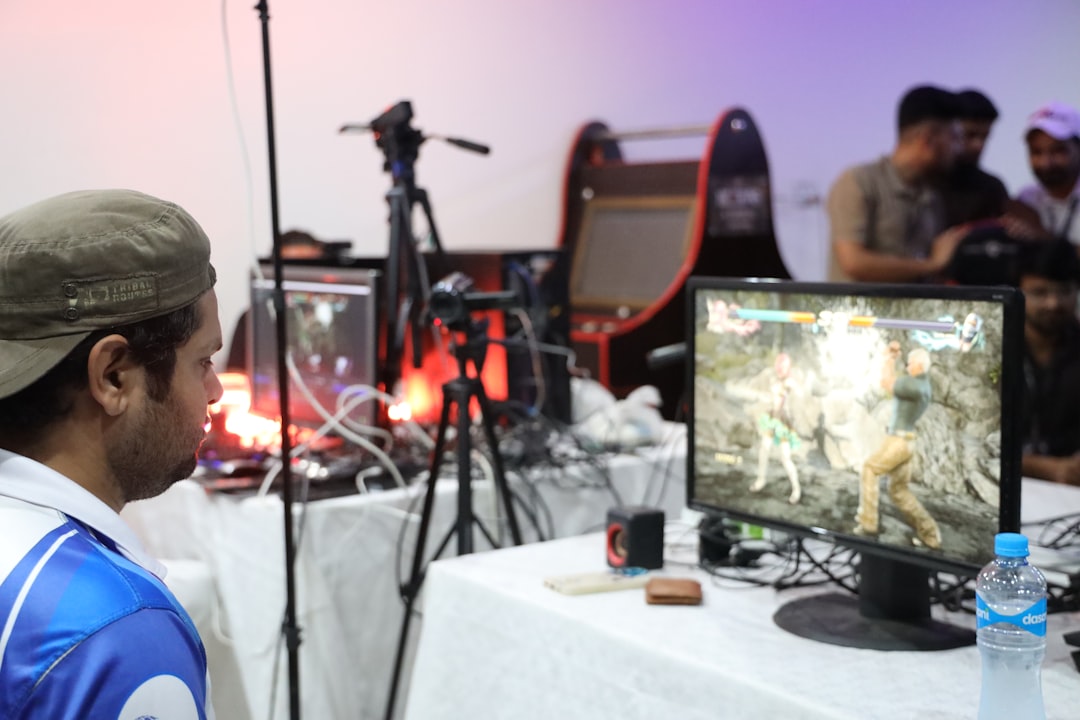
From chess to Fortnite, esports is a wild journey of fame, fortune, and the occasional patch-induced meltdown.
From Chess to Fortnite: The Rise of Esports
Esports—playing video games competitively—has become not just a hobby but a legitimate career path over the last few decades. Unlike traditional sports, which often require specific physical traits, the only prerequisites for esports are a decent internet connection, a gaming setup, and countless hours of commitment. Of course, mandatory military service and family obligations might throw a wrench in your pro-gaming dreams, but for many, those can be “avoided.”
Interestingly, the first esport wasn’t a video game at all. It was chess. Originating in 6th-century India, chess paved the way for competitive strategic play, but it lacked the electronic infrastructure modern gamers enjoy. Players were stuck using their brains as processors and manually moving the pieces—arguably archaic by today’s standards. Fast forward to the Renaissance, and chess got its first “balance patch” with the introduction of moves like castling and en passant.
Real electronic esports didn’t truly emerge until the late 1970s when arcade games like "Donkey Kong" entered the scene. Back then, the best prize might have been a free milkshake. Today, though, winners of tournaments for games like Counter-Strike or Dota 2 can walk away with millions—or even luxury cars, as evidenced by Saudi-backed tournaments.
Can You Really Make a Living in Esports?
Let’s cut to the chase: Yes, but it’s highly competitive. The top 100 Dota 2 players have earned over $1 million each in prize winnings. However, with tens of millions of monthly active players in games like Dota, statistics suggest you’re likelier to make it to the NBA if you only play basketball once a year than to become a millionaire gamer.
If you do succeed, you know you’ve “made it” in one of two ways: first, when people recognize you by your gamertag instead of your real name. Second, when developers start altering your game in ways that drive you—and your competitors—crazy.
Here’s a quick earnings breakdown by genre and game:
| Game Genre | Top Players’ Earnings | Rare Prizes |
|---|---|---|
| MOBAs (e.g., Dota 2, League of Legends) | Millions in prize money | Cars, endorsements, massive prize pools |
| FPS Games (e.g., CS:GO, Valorant) | Hundreds of thousands | Tournament fame, global championships |
| RTS Games (e.g., Starcraft) | Moderate | Rapidly shrinking prize pools |
| Battle Royales (e.g., Fortnite) | Variable depending on season | Unexpected game updates ruining strategies |
While prize pools can be lucrative, the barrier to entry is higher than it appears.
How Game Developers Shape (or Ruin) Esports
One of the unique challenges of esports is how game developers wield significant control over the scene. Unlike physical sports like basketball, where the rules rarely change, esports developers frequently update their games. While this keeps casual players engaged, it frequently frustrates the competitive community. For instance, Fortnite developers, aiming to make the game more accessible to casual players, diminished the competitive importance of building—essentially turning the game on its head. Throw in Ariana Grande concerts, and you've got an esport that has undergone a bizarre identity crisis.
Common Challenges for Aspiring Gamers
For many young gamers, the dream of becoming a pro is a fleeting fantasy once reality sets in. Adults face another issue: competing with teenagers who seemingly have all the time in the world to play. This time disparity creates a unique struggle in competitive gaming. However, even adult players will lament their downfall to non-game-related factors, such as worse gaming setups or bad internet connections.
Excuses for poor performance vary depending on the game:
- Dota 2/League of Legends: “Social anxiety paired with buzzing public servers.”
- Starcraft 2: “The opposing race was overpowered.”
- Rocket League: “Driving real cars would’ve been easier.”
- Hearthstone: “Game economy ruined by economic policies.”
What Happens When Cheating Enters the Scene?
Competitive gaming isn’t immune to exploitation. Map hacks, aimbots, and controller mods have plagued genres from FPS to RTS. These unethical advantages damage esports’ integrity, not to mention that companies crack down harshly on cheaters to maintain player trust. However, the battle between exploiters and companies is never-ending.
Why Community and Culture Keep Esports Alive
While competition is the beating heart of esports, the broader community is its soul. Attending local tournaments or major events isn’t just about watching people play—it’s about meeting like-minded fans, smelling the gamer-fueled arena air, and seeing what the community is like offline. While some body language might make you rethink mingling, the experience can be eye-opening.
For those hesitant to enter competitive gaming, just remember that entering a tournament is often more about fun than serious competition. Though gaming skills can’t spare you every embarrassment, community events are about camaraderie and shared experiences. Winning? That’s just a bonus.
Practical Tips for Aspiring Esports Players
If you want to give competitive gaming a shot, here’s what you need to consider:
- Pick a game and stick to it. Your rank depends heavily on specialization; hopping between titles reduces your masterability.
- Invest in quality gear. A trash setup makes excuses easier but victory harder.
- Know the meta. Success often comes from understanding a game’s ever-evolving mechanics.
- Stay consistent. Esports is a grind. Treat practice like a full-time job.
Final Thoughts
Esports may not be for everyone, but the industry continues to grow and diversify. Whether it’s hilarious frustrations over game updates, overpowered characters, or social quirks, competitive gaming remains a fascinating, unique corner of sports. With multimillion-dollar prize pools, passionate communities, and developers trying to balance casual and competitive interests, esports is here to stay.
Comments
Loading comments…


