Diablo IV: Lord of Hatred Review-in-Progress — A Tale of Light and Darkness
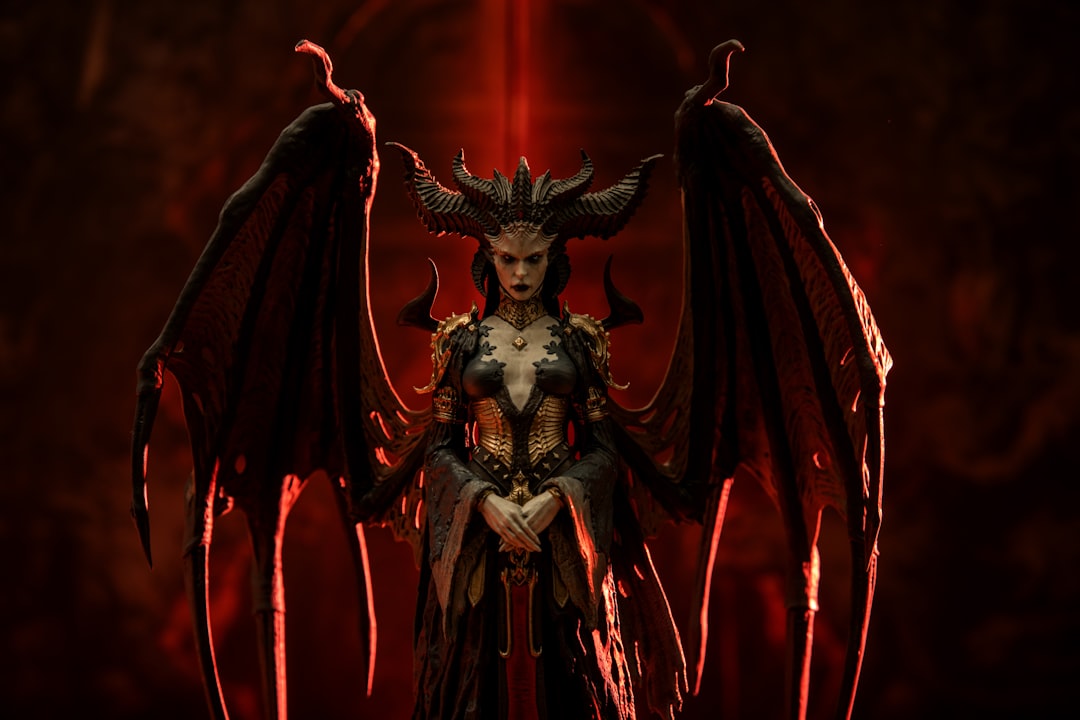
Diablo IV's Lord of Hatred expansion delivers high-stakes storytelling, strategic gameplay, and innovative features cementing its place as the series' standout chapter.
Blizzard Entertainment's "Diablo IV" has been a monumental chapter in one of gaming's most iconic franchises, and its latest expansion, "Lord of Hatred," raises the bar in storytelling, gameplay, and worldbuilding. With this expansion, players finally confront not only the titular Lord of Hatred, Mephisto, but also the culmination of years of lore and build-up. Early impressions suggest that this could be one of the defining moments in recent gaming history.
Lord of Hatred follows in the wake of the "Vessel of Hatred" expansion, which introduced compelling themes but left many fans underwhelmed after its strong opening act. Picking up shortly after "Vessel," the story plunges players into what promises to be a climactic showdown. Mephisto has taken over the body of Akarat, a revered messianic figure in the Diablo universe, earning the trust of much of Sanctuary's population under the guise of a benevolent savior. As desperation blinds people's judgments, even seasoned warriors fall prey to his manipulation. In this context, the player, alongside companions Laurith and Nael, embarks on a high-stakes quest to secure the means to defeat Mephisto.
The Long-Awaited Journey to Scoos
Much of the story unfolds on the ancient islands of Scoos, a location steeped in lore since "Diablo II" and highly anticipated by fans. The Mediterranean-inspired archipelago delivers on its promise, offering a breathtaking yet harrowing backdrop for this chapter. Its pristine beaches, crumbling cliffs, volcanoes, and sprawling temples evoke a sense of sacred history now tainted by Mephisto's corruption. Scoos doesn’t just serve as scenery—it feels integral to the story's emotional and thematic weight.
Enemies in Scoos push the boundaries of diversity and challenge, ranging from undead hordes emerging from the sea to corrupted beasts in the forests. These foes complement the familiar demon battles while injecting fresh dynamics, keeping gameplay engaging.
Combat: Refinements Without Disruption
Lord of Hatred doesn't reinvent Diablo IV's combat mechanics—but it doesn’t need to. The series' signature mix of strategic skill activation and frantic mayhem remains as satisfying as ever. Players will encounter challenging boss fights that evolve Diablo's encounter design toward raid-like complexity. Positioning, timing, and resource management become paramount. One boss, for instance, required activating specific elements on a chaotic battlefield, while another's devastating reflexes rendered typical strategies useless.
While the skill ceiling has risen, a smartly tuned difficulty curve ensures that even less experienced players can find their stride. The updates to the skill trees help immensely, providing a more condensed yet versatile path for character customization.
Unveiling Two New Classes: Paladin and Warlock
Arguably the most talked-about additions to Lord of Hatred are the expansion's two new classes: Paladin and Warlock. Longtime fans will recognize the Paladin as a reimagined version of the holy knight archetype. Already familiar to early access players over the past four months, the Paladin is a comfortable yet invigorating choice, delivering the righteous fantasy fans have come to expect. Focused heavily on crowd control and survivability, the class offers powerful support and melee capabilities.
The Warlock represents a more complex option, with an innovative twist on Diablo's staples. Rather than drawing power from sinister pacts, Warlocks subdue and enslave demons, forcing them into servitude. Players can choose between four archetypes—Legion, Vanguard, Mastermind, and Ritualist—each offering unique abilities and thematic gameplay. Experimentation shines with this new class. A Ritualist build, focused on summoning fiery chaos, can easily give way to a hybrid emphasizing stealth, debuffs, and direct shadow-based attacks. The updated skill tree's flexibility stands out in this regard, allowing skill affinities to change and deepening the satisfaction of character progression.
For fans weary of cookie-cutter builds, these changes make experimenting with powerful, unconventional setups more viable. Diablo IV's increased level cap, now 70, further encourages this level of creativity, fundamentally reshaping endgame potential.
Evolving the Endgame: Quality-of-Life Improvements
Endgame systems, often a sticking point for long-term player retention, receive much-needed enhancements in Lord of Hatred. With the introduction of War Plans, players can construct their own "playlists" of high-level activities, from nightmare dungeons to pit dives. This streamlined interface eliminates much of the confusion surrounding Diablo's later content, making it more approachable.
Another standout is the Horadric Cube upgrade system, which allows players to hone their equipment for more focus and efficiency. While slightly unintuitive at first, it addresses common community complaints about loot quality versus quantity.
Narrative Payoff: Mastering Hope and Despair
Diablo IV has always been a grim tale, and Lord of Hatred honors that legacy while making room for rare moments of hope. The narrative doesn't purely dwell in darkness; it explores themes of sacrifice, love, and enduring resilience. The climactic arc in this expansion ties years of lore into a poignant, powerful conclusion without feeling forced. While some earlier threads in the story are slightly undercooked, the final act delivers a catharsis few games achieve.
Yet Blizzard keeps the door open for the Diablo saga’s future, offering fans a fulfilling closure without the restrictive finality often associated with endings. This balancing act ensures that "Lord of Hatred” both celebrates the series’ legacy and hints at exciting directions to come.
A Promising Path Ahead
Though this review-in-progress highlights the triumphs of Lord of Hatred, it also acknowledges areas requiring further exploration—most notably its endgame refinements. Features such as War Plans and the Horadric Cube deserve extended trial runs to fully grasp their long-term impact. However, even at this stage, it’s evident that the latest expansion reinforces Diablo IV as one of the finest action RPGs available today.
With its stunning locations, strategic combat, incredibly deep class systems, and a conclusion that manages to feel both epic and intimate, Lord of Hatred is a testament to Blizzard's ability to push their own boundaries. Whether you’re a series veteran or a newcomer looking for a place to start, this expansion is not one to miss.
Staff Writer
Marcus covers video games, esports, and gaming hardware. Two decades of industry experience.
Comments
Loading comments…


