Xbox Game Pass gets a price drop, but Call of Duty loses day-one availability
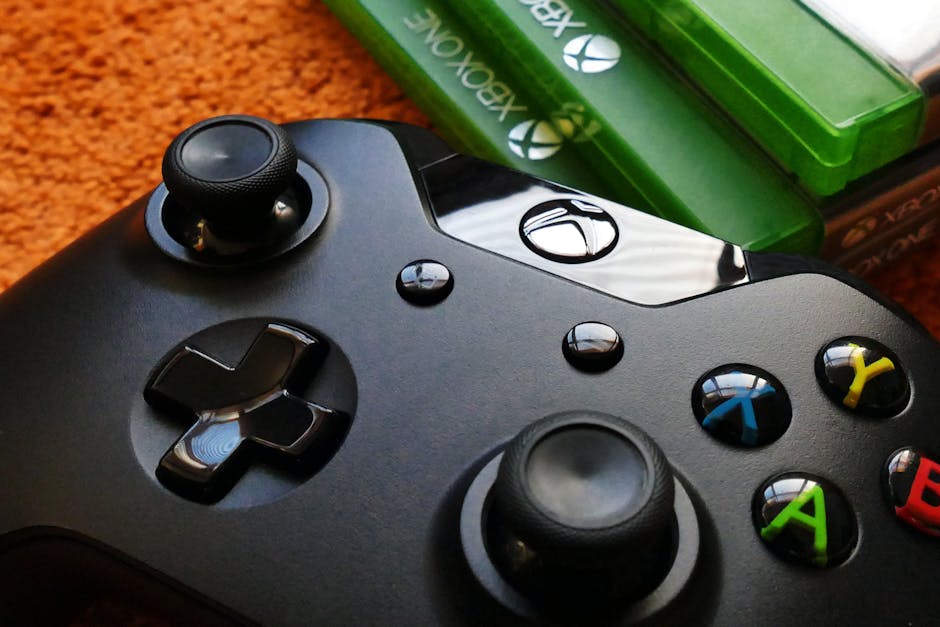
Xbox Game Pass is now cheaper, but Call of Duty fans face delays in day-one access. Is the trade-off worth it?
Microsoft has announced a significant price reduction for its popular gaming subscription service, Xbox Game Pass, but there’s a twist that might leave Call of Duty fans feeling conflicted. While Game Pass Ultimate and PC Game Pass are now more affordable, day-one access to the lucrative Call of Duty franchise will no longer be part of the deal. The trade-off raises a critical question for subscribers: Is the price drop a win, or does the delayed access diminish its value? Here’s the breakdown of what’s changing, why it matters, and who stands to benefit.
Price Cuts Across Game Pass Tiers
Effective immediately, Xbox Game Pass Ultimate—the premium tier of Microsoft’s subscription service—is now available for $22.99 per month, a substantial decrease from its previous price of $30 per month. That’s a savings of $84 over the course of a year. Similarly, PC Game Pass has seen its price trimmed from $16.49 to $13.99 per month.
Both tiers provide broad access to Microsoft’s robust game library, including first-party titles, EA Play, multiplayer capabilities, and perks like cloud gaming. However, reducing these costs comes with one substantial caveat: Call of Duty titles will no longer be included as day-one releases. Instead, they will land on the service approximately a year after their retail debut, potentially during the following holiday season.
The Loss of Day-One Call of Duty
Call of Duty, which has long been a tentpole attraction for gaming enthusiasts, typically launches as a blockbuster release every year. For Game Pass subscribers, the inclusion of this franchise on day one provided immense value, allowing players to access the latest installment as part of their subscription, bypassing the $70 purchase price.
However, under the new pricing structure, this perk is off the table. New Call of Duty titles will now follow a delayed release model, becoming available on Game Pass roughly a year after their initial debut. This change could alter how subscribers weigh the cost-effectiveness of the service.
For some gamers, this boils down to a straightforward calculation. The reduction in subscription fees effectively saves users $84 per year—almost the equivalent of purchasing a new Call of Duty title outright. In theory, the math offsets the delay. But gaming is rarely about pure arithmetic. The emotional appeal of experiencing a major title as soon as it launches, alongside the global community of players, is part of Call of Duty’s allure.
Why the Change?
The shift seems to reflect a broader recalibration of Microsoft’s Xbox Game Pass strategy. Lowering subscription prices could appeal to a wider base of budget-conscious gamers, especially as subscription fatigue becomes increasingly common in the digital entertainment sphere. At the same time, Microsoft might view the delayed inclusion of Call of Duty as a way to drive standalone purchases for one of its highest-earning franchises.
This also aligns with Microsoft’s ongoing response to regulatory and market pressures, especially after its high-profile acquisition of Activision Blizzard. The acquisition put Call of Duty under Microsoft’s umbrella, and with it, questions about how the franchise would elevate Game Pass while adhering to fair market commitments. Delaying day-one access might be a tactical maneuver to balance those interests and ensure ongoing retail sales without alienating regulators or casual players.
Who Benefits from the New Pricing?
The price cut could make Xbox Game Pass more accessible to gamers who previously viewed it as too expensive. Subscribers who don’t necessarily prioritize day-one releases—or those who are willing to wait a year for titles like Call of Duty—stand to gain the most. For these players, the new pricing not only fits their budgets but also retains Game Pass’s expansive value proposition, which includes hundreds of other titles across various genres.
Meanwhile, devoted Call of Duty fans who were banking on day-one access for free as part of their subscription may see this as a loss. For them, the higher previous price may have been easier to justify as it effectively bundled a new AAA game into their monthly cost. Without day-one access, these players now face a choice: buy Call of Duty outright at launch or wait a year for its Game Pass arrival.
A Balancing Act
From a strategic standpoint, Microsoft’s move reflects the changing economics of subscription services. Gaming, unlike movies or music, involves deep time commitments and significant development costs for top-tier titles. Including every major release as a day-one offering is likely unsustainable long-term, especially for a franchise as expensive and consistently popular as Call of Duty. Prices and perks need to strike a balance between providing excellent value and ensuring the scalability of the model.
Additionally, it’s worth noting that much of the backlash—if any—may be muted by Microsoft's preferred positioning of Game Pass as an overall value package rather than just a Call of Duty subscription. The platform’s extensive library, frequent updates, and unique features like cloud gaming and cross-device play ensure it remains relevant even with this adjustment.
What Comes Next?
The latest price cut and Call of Duty delay are unlikely to mark the end of Microsoft's evolutionary tweaks to Game Pass. As the cloud gaming sector matures and competition intensifies from platforms like Sony's revamped PlayStation Plus, Microsoft will undoubtedly continue adjusting its offerings to remain competitive. For now, much will depend on how existing Game Pass subscribers react to the new terms and whether the price decrease attracts enough new users to offset any losses among Call of Duty-focused players.
Ultimately, the changes may be more about sustainable growth than short-term gains. By cutting prices and tweaking content availability, Microsoft seems to be playing the long game—offering predictable value that appeals broadly, while still using its premier IP to drive select blockbuster sales. Whether this recalibration succeeds will depend on how Microsoft continues to balance those priorities in the years ahead.
Staff Writer
Marcus covers video games, esports, and gaming hardware. Two decades of industry experience.
Comments
Loading comments…


