Lowering Game Pass Prices Is a Promising Start for Xbox Under Asha Chararma
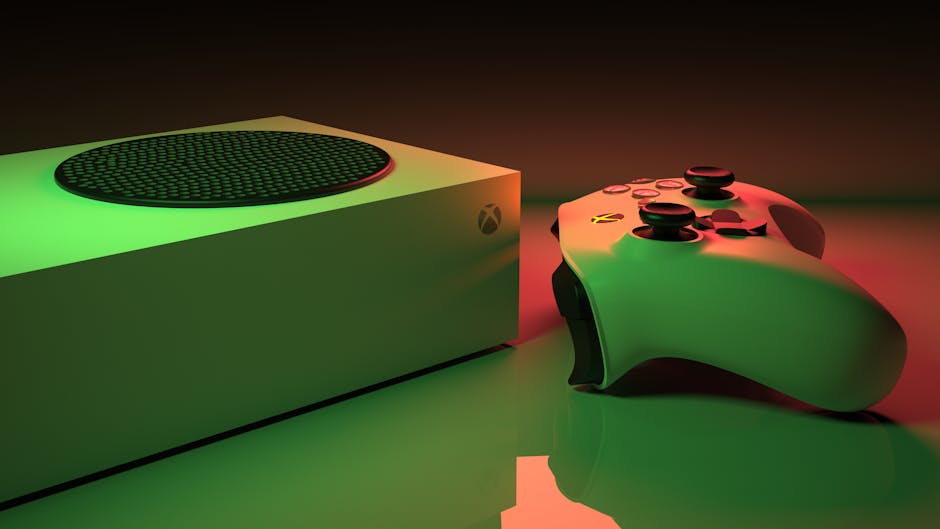
New Xbox chief Asha Chararma cuts Game Pass prices, signaling bold changes. Will hardware pricing and exclusivity policies follow suit?
Microsoft's gaming division is experiencing a jolt of fresh leadership under Asha Chararma, Xbox's new CEO who took over from Phil Spencer just two months ago. With no prior background in gaming, skepticism about Chararma’s ability to address the Xbox brand's ongoing struggles was high. However, her swift and decisive actions—most notably slashing the price of Xbox Game Pass Ultimate—are quickly reshaping how players see the brand.
The Price Cut: A Bold Reversal
Under Chararma’s leadership, Xbox Game Pass Ultimate's monthly fee has been reduced from $30 to $23. Similarly, PC Game Pass now costs $14 instead of $16.50. This move stands out in an industry that usually hikes prices or offsets cuts by introducing ad-supported tiers. Though this reduction comes with the caveat that new Call of Duty titles will no longer be available on Game Pass on their launch day, Chararma's pivot is still largely being hailed as a gamer-friendly correction.
This decision also addresses one of the most criticized moments in the Xbox ecosystem: the unpopular 50% price hike of Game Pass Ultimate in October 2022. That increase, seen by many as tone-deaf, landed amid rising inflation when households were already grappling with higher costs for essentials. By reducing the subscription fee to a more palatable $23—even with the exclusion of day-one Call of Duty games—the math still works out in players' favor.
Why It Matters
This price cut isn't merely about numbers; it represents Xbox’s attempt to rebuild trust and show goodwill to its community. Gamers, understandably jaded by Microsoft's missteps—two hardware price hikes last year, game cancellations, and a lack of compelling exclusives—can see Chararma’s changes as a signal of a more player-centric approach moving forward.
Chararma has already reportedly stated in an internal memo that Game Pass will "evolve into a more flexible system," hinting at potential customizations and different tiers to cater to varied gamer preferences. Speculation suggests that one such tier might focus solely on first-party games, and pricing it reasonably could attract a wider base of subscribers. For instance, $15 a month for access to first-party Xbox titles on release would be a move that speaks directly to core gamers.
If Xbox continues expanding Game Pass offerings while maintaining financial accessibility, the service could emerge as the strongest value play in gaming subscriptions—something that will continue to resonate with players in the long term.
What’s Next for Xbox?
While the action on Game Pass restores some goodwill, Chararma faces a Herculean task ahead in addressing two other critical areas: hardware pricing and the company's murky approach to exclusivity.
Hardware Affordability
Console prices remain a significant barrier to Xbox's broader success. The Xbox Series X, at $600, matches the PlayStation 5 in price, but lags behind it in desirability for consumers. Even the once-affordable Xbox Series S—a digital-only entry-level console—is now out of reach for many, priced at $350-$400 depending on the model.
Historically, consoles see price reductions as their hardware matures, but Microsoft has stubbornly maintained or raised prices during this generation. To reinvigorate its hardware's appeal, Chararma should strongly consider returning to launch pricing or lower: $500 for the Series X and $300 for the Series S. Such changes would not only make Xbox a more attractive choice for cash-strapped families, but also help regain market share, particularly in regions where PlayStation dominates.
Chararma has already spoken about "renewing commitment to the Xbox console," and boldly cutting hardware costs could drive home that promise. Enabling more people to purchase the actual machines that serve as Microsoft's ecosystem gateways would cement a long-term user base, enhancing the viability of Xbox Live and Game Pass.
Redefining Exclusivity
Perhaps the thorniest issue for Xbox is the question of exclusivity. By failing to establish a consistent policy for its first-party titles, the Xbox brand risks diluting its reason for existing. Right now, exclusive availability varies from game to game: Some Xbox studio titles, like "Avowed," appear on other platforms a year after launch, while others, like "Fable," release simultaneously across PlayStation and Xbox. This inconsistency creates confusion for gamers and costs Xbox the ability to market itself as the “destination” for certain types of gameplay experiences.
Looking forward, Chararma has an opportunity to make a clean break from prior leadership’s murky exclusivity policies. For the sake of clarity and brand strength, her administration could position Xbox as a console-PC ecosystem, with all first-party games available day one on Xbox consoles and PC, and ports to other platforms arriving no sooner than one year after release. This balance would cater to the brand-loyal without alienating revenue opportunities elsewhere.
Sony's recent decision to pull back on PC publishing experiments underscores the importance of retaining some mystique and desirability around having exclusive content. Microsoft cannot afford to be the vendor that dilutes its marquee titles by scattering them across competing platforms.
What Chararma’s Start Means
Asha Chararma is still new to Microsoft's gaming division, yet her opening moves have already set an optimistic tone. By overturning unpopular pricing decisions and hinting at a more flexible future for Game Pass, she’s signaling that the Xbox brand is open to reimagining itself in order to regain players' trust and market relevance.
Though no executive in gaming can please everyone all the time, Chararma's decisive leadership could begin restoring Xbox as a worthy competitor in the current console generation. Lowering hardware costs and clarifying exclusivity policies would bolster her early momentum and make 2024 an exciting year for fans and skeptics alike. With a healthier Xbox, the entire gaming industry benefits—and that’s something worth rooting for.
Staff Writer
Zoe writes about game releases, indie titles, and gaming culture.
Comments
Loading comments…


