Screamer split-screen gameplay review: is overdrive worth the risk?
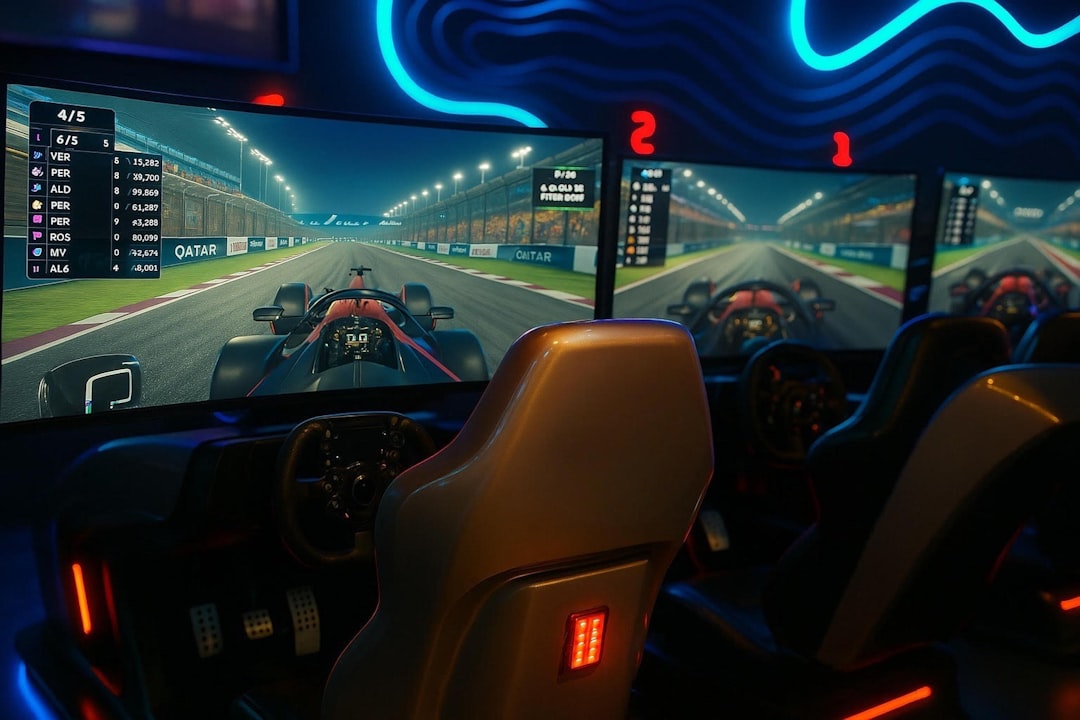
Screamer, a remake of the ‘90s arcade-style racing game, combines tactical gameplay with blazing speed in its 2-player split-screen mode.
Screamer, the revival of a ‘90s arcade racing game, brings its unique blend of blistering speed, tight turns, and head-to-head action to the modern gaming scene. With its 2-player split-screen mode, players get to experiment with character-based racing—a feature that adds layers of strategy to the adrenaline-pumping gameplay. But in Screamer’s high-speed chaos, one question remains: is overdrive, a critical mechanic, too risky to depend on?
Screamer Overview: What Sets It Apart
Unlike traditional racing games that focus on vehicles, Screamer puts a spotlight on its playable characters, or "screamers." Each character features distinct abilities that can dramatically alter the course of a race. Think of them like heroes in a MOBA but behind the wheel of a car. This character-based approach shakes up the usual formula and emphasizes individual playstyles.
The game's split-screen multiplayer mode lets players face off in two formats: standard race or team race. Here’s how they differ:
| Mode | Objective |
|---|---|
| Standard Race | Compete individually to finish in the best position. |
| Team Race | Earn points with teammates by achieving high positions and knocking out opponents on the track. |
Key Mechanics: Sync, Entropy, and Overdrive
In Screamer, every car is equipped with an echo unit that has two meters: sync (blue) and entropy (pink). Sync represents your boosts and shields, while entropy powers offensive moves like strikes or the coveted overdrive.
- Sync Meter: You fill this by driving at top speed and using active shifts. Active shifts allow you to adjust gears mid-drift, maintaining speed through tight corners.
- Entropy Meter: Boosting builds entropy, which can then be spent on strikes to knock out opponents or activate overdrive for a short burst of extreme speed.
Overdrive sounds like an irresistible tool to zoom past rivals—but it’s a double-edged sword. While blazing fast, overdrive consumes sync energy, often leaving players vulnerable afterward. Timing becomes critical.
Character Abilities: Choosing the Right Screamer
Each character in Screamer handles differently, both in terms of driving mechanics and special abilities. Here are a few examples:
Naru
- Ability: Builds entropy automatically while driving at top speed and actively shifting.
- Ideal Playstyle: Aggressive, focused on consistent speed.
Gregor
- Ability: Starts slow but gains enhanced boosts as he evolves during the race. Boosts lead to stronger overdrive opportunities.
- Ideal Playstyle: Long-game strategy, building momentum for a big finish.
These abilities emphasize the importance of tailoring your strategy to your character. While Naru excels in raw speed and offense, Gregor thrives in endurance races where patience pays off.
Mastering the Controls: Drifting and Active Shifts
Screamer’s controls add a layer of depth uncommon in many arcade racing games. Steering is handled with the left stick, while drifting uses the right stick, creating an independent dynamic for controlling turns. Drifting becomes essential—not just for maintaining speed through curves but also for generating sync energy.
Active shifting, triggered by pressing the left bumper during key moments, adjusts gears to better align your speed with the track's demands. Perfect drifts, paired with active shifts, are critical in Screamer’s fast-paced environment.
Strategies to Dominate Split-Screen Play
-
Optimize Abilities: Choose characters that fit your playstyle. For instance, if you prefer knocking out opponents, select someone like Gabrielle, who gains sync and entropy after KOs.
-
Timing Your Boosts: Boosts aren’t just for speed—they can also evolve your character’s abilities mid-race. Practice hitting quick-time events, indicated by the yellow triangle on the boost meter, to maximize their effectiveness.
-
Be Selective with Overdrive: Save overdrive for open stretches of road or when you’re certain it can secure a critical position. Remember, it will leave you open to strikes.
-
Master Defensive Moves: Shields cost sync energy but can block strikes from opponents. Timing these shields adds a layer of strategy beyond mere speed.
Team Races: Balancing Speed and Defense
Screamer’s team race format introduces a unique scoring system. Positions matter but so do offensive strategies like strikes and KOs. Here are the key aspects to succeed:
- Balancing Roles: Combine aggressive characters who can secure KOs with speed-focused screamers who lock in top spots.
- Sacrifice for the Team: Sometimes dropping a position temporarily to assist a teammate pays off in points.
- Map Awareness: Learn the tracks inside out to use shortcuts effectively. Strikes can also reveal new routes, adding another layer of risk versus reward.
The Visuals and Soundtrack
Screamer pairs its fast-paced gameplay with retro-futuristic visuals and a spirited soundtrack. Its environments range from neon-lit cityscapes to desert crash sites. These backdrops, along with the high-tempo music, amplify the arcade racing experience. Each track feels alive with personality, encouraging repeat plays to master its intricacies.
Is Overdrive Too Risky?
The central question for many Screamer players is whether overdrive is worth it. While undeniably powerful, overdrive leaves racers open to counters like strikes, shields, and even basic positioning losses. Success comes down to timing. Overdrive is a high-risk, high-reward mechanic best saved for decisive moments.
For players more focused on consistent positioning, mastering boosts and shields may provide a safer and equally effective alternative.
Conclusion
Screamer offers an exhilarating split-screen multiplayer experience that stands out from its more straightforward peers. With its character-focused gameplay, strategic mechanics, and a perfect blend of speed and aggression, it delivers on its promise of being more than just another racing game—but a true battle on wheels. Overdrive’s risk makes it thrilling but not essential; ultimately, each player’s strategy determines how much they engage with high-stakes scenarios.
Whether you're revisiting the madness of the original Screamer or discovering it for the first time, the game ensures that every race feels unique. And in split-screen mode, the rivalry only adds to the fun.
Staff Writer
Marcus covers video games, esports, and gaming hardware. Two decades of industry experience.
Comments
Loading comments…


