Sony quietly adds 30-day DRM checks to digital PlayStation purchases, sparking consumer outrage
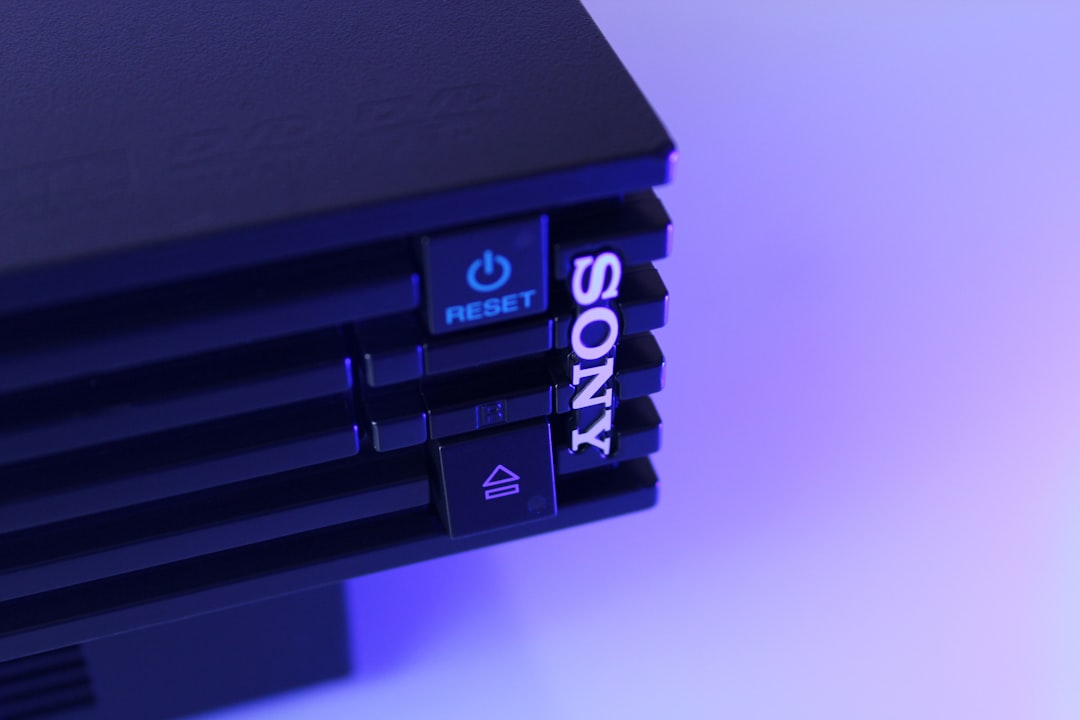
Sony's new 30-day DRM checks for digital PS4/PS5 games mean offline play is restricted, raising concerns about ownership and long-term access.
In what many are calling a step backward for consumer rights, Sony has quietly added a Digital Rights Management (DRM) policy to all new digital purchases on its PlayStation 4 (PS4) and PlayStation 5 (PS5) consoles. The policy enforces a 30-day online authentication requirement, meaning players must connect their consoles to the internet at least once a month. If the system fails to check in, the affected games you already paid for will not launch—not until the internet connection is reestablished. While physical disc owners aren't impacted, this mandatory validation has stirred sharp criticism from gamers.
A reversal of Sony’s legacy consumer stance
The move is particularly jarring given Sony’s history of contrasting its policies with competitors' DRM restrictions. In 2013, during the lead-up to the release of the PlayStation 4, Sony's campaign famously ridiculed Microsoft’s Xbox One DRM policies. Executives slyly demonstrated the ease of sharing PS4 game discs in a 21-second video, a defining moment that helped PS4 outsell the Xbox One significantly. A key selling point then was that PlayStation owners wouldn’t face gameplay interruptions or DRM restrictions for the games they purchased. That pledge now seems to have eroded.
What the DRM check entails
According to testing by several notable YouTubers and modders, all PS4 and PS5 games purchased digitally after mid-April 2026 will include this 30-day DRM timer. Once the time limit expires, the console requires an online check-in with Sony's servers to validate the game license. If the check fails—due to poor networking, being in a remote area, or Sony’s servers being down—affected games won’t be playable.
Streamer Lance McDonald and others have even confirmed that the DRM enforcement persists regardless of whether the console is marked as the user’s primary device. On the PS4 information screen for digital titles, players can now see a countdown clock under license details specifying how much time remains before a mandatory revalidation. Titles run as usual only if reauthenticated within the 30-day window.
Worryingly, this mechanism extends to technical backups hiding under hardware quirks. For instance, YouTuber Spawnwave demonstrated how tampering with a console’s on-board hardware clock triggered license errors, essentially mimicking an expired DRM check. Should the CMOS battery inside a PS4 or PS5 die years from now—a possibility for legacy hardware—affected users may completely lose access to their purchased libraries unless implements are replaced or hacked open.
The slippery slope of digital ownership
This DRM backlash isn’t merely about needing internet connections. It strikes at a broader concern about digital ownership versus on-demand rental agreements dressed up as ownership. For offline players, such as rural residents, military personnel stationed with limited online access, or gamers who re-install years-later legacy aged-defunctional contents of abandonplace whole library-UNEXPECTED.Singleton
Staff Writer
Marcus covers video games, esports, and gaming hardware. Two decades of industry experience.
Comments
Loading comments…


