A Web of Emotions Unfolds in Episode 11 of 'Hadd'
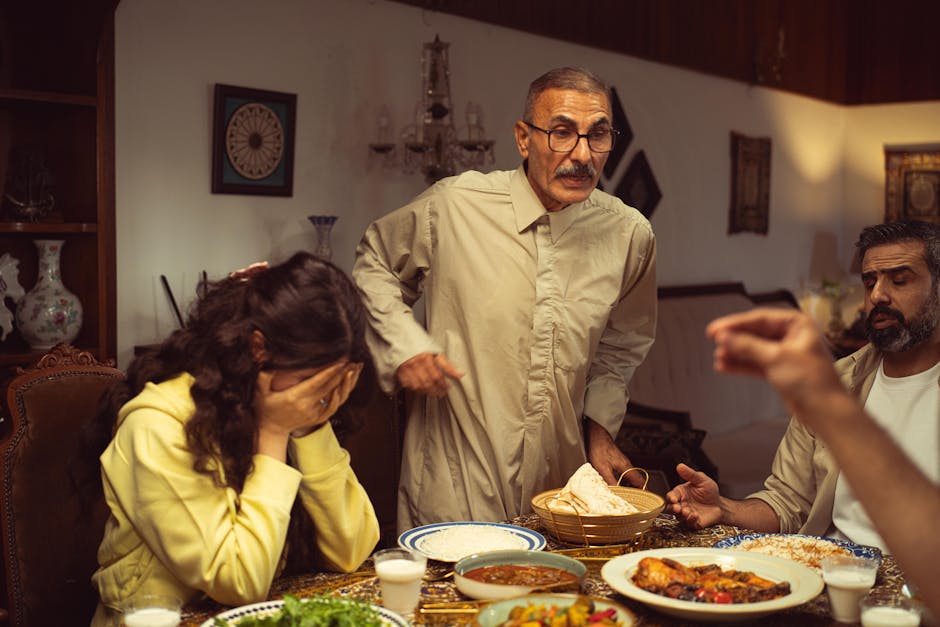
Episode 11 of HUM TV's 'Hadd' deepens its intricate narrative with themes of sacrifice, love, and familial ties.
In Episode 11 of HUM TV's popular drama Hadd, viewers are drawn deeper into the layered complexities of love, loyalty, and family dynamics. Featuring Nabeel Zuberi, Minsa Malik, and Arsalan Asad in pivotal roles, the episode is a mosaic of emotional highs and lows that keep viewers glued to their screens. The central themes of sacrifice, misunderstandings, and societal pressures take center stage, weaving a narrative that feels compellingly real.
The Stakes in Relationships
One of the most striking aspects of this episode is the exploration of family dynamics and romantic entanglements. The episode begins with discussions surrounding Faryal and Zarrar, two characters caught in a web of circumstances. Zarrar, still mourning the departure of his former love Mehak, becomes a central figure whose mental well-being becomes a topic of concern for everyone around him. The proposal by Zarrar's mother to unite him and Faryal causes tension, highlighting underlying issues of class differences, respect, and past grievances. Faryal's mother refuses the notion outright, citing the history of neglect and disrespect their family has endured.
This moment lays bare the unspoken divides within traditional familial setups, where past conflicts and perceived slights can influence major life decisions. Marriage is not merely a union of two individuals in Hadd; it is a battlefield for the intersections of love and loyalty, power and forgiveness.
Zarrar's Fragmented State
Zarrar’s personal struggle is one of the central conflicts in Episode 11. Unable to forget Mehak, he goes so far as to celebrate her birthday in her absence, reinforcing his emotional turmoil. His adherence to the memory of Mehak speaks to the kind of undying love that, while romantic, also borders on obsessive. His deliberate choice to honor her birthday, even among friends, demonstrates how deeply entrenched his feelings for her remain and raises questions about his emotional availability for any future relationships.
This act irrevocably impacts Faryal, who is forced to confront the nature of her feelings for Zarrar. Her decision to help reunite Zarrar and Mehak at the cost of her own affections underscores the theme of self-sacrifice. Faryal embodies a particular kind of love—one rooted in the desire for another’s happiness above her own. However, her mother’s concern about the sacrifices Faryal is prepared to make questions whether such choices are sustainable or wise.
Women as Agents of Sacrifice and Conflict
Episode 11 also dives into the juxtaposition between two women: Faryal and Zinia. Faryal represents humility and selflessness, whereas Zinia’s independence and bold behavior clash with traditional family expectations. Zinia’s career choices, including her appearance in a glamorous advertisement, spark outrage from Zarrar, adding to the familial tensions. Her refusal to adhere to conventional roles, compounded by her blunt declaration that she does not value traditional relationships, makes her the target of familial criticism. The episode carefully balances its portrayals of these women, avoiding judgment but using their choices to highlight generational and cultural tensions.
Zinia’s character highlights the pressure placed on women who defy the norms of the society they inhabit. Her declaration of autonomy and rejection of familial dictates offers an insightful critique of patriarchal structures, which dictate expectations around how women should behave, dress, and live.
The Role of Social Expectations
The overarching theme of societal expectations looms large in Hadd. Decisions about relationships, career choices, and even daily life are judged not only within the family but also by the ever-critical eyes of the larger community. Zarrar’s frustration stems, in part, from the public perception of his sister Zinia’s career as a model, with his anger representing the tension of preserving family honor in the public sphere. Similarly, Faryal’s decision to support Zarrar despite his apparent emotional unavailability stems from her internalization of the idea that sacrificing personal happiness is a noble pursuit.
The show does not shy away from questioning these societal pressures, often using its characters to dissect the toll these expectations take on mental health and personal freedom.
Zarrar’s Emotional Isolation
One of the most emotional moments in the episode occurs as Zarrar plans to leave his family home. His sense of isolation, compounded by his ongoing grief for Mehak, paints a vivid picture of a man struggling to navigate his circumstances. Though Faryal works to talk him out of leaving, assuring him of his importance to his family, the scene underscores how unresolved emotions and societal pressures can push individuals toward breaking points. Zarrar’s storyline is an exploration of male vulnerability—often a taboo subject in South Asian storytelling.
The Business World Intersects
While the episode focuses significantly on familial and romantic conflicts, it also introduces glimpses of workplace dynamics. Faryal’s keen eye for finance and practicality contrasts sharply with the emotional and personal conflicts that dominate her private life. A brief workplace exchange serves to remind viewers of the balance working women must often maintain in environments where their expertise may be undervalued or questioned.
Looking Ahead
Episode 11 sets the stage for future emotional and moral dilemmas. Will Zarrar reconcile his feelings for Mehak and accept Faryal’s love, or will his commitment to the past pull him further into despair? How will Zinia’s independence shape her future, and will she find peace within herself and her family’s expectations? With its complex characters and tightly written dialogues, Hadd continues to keep viewers engrossed, combining moments of heartfelt emotion with sharp critiques of societal norms.
As the story unfolds, Hadd offers its audience more than just a tale of love and sacrifice—it is a mirror reflecting the challenges of family, societal pressure, and the resilience of the human spirit.
Staff Writer
Ryan reports on fitness technology, nutrition science, and mental health.
Comments
Loading comments…


