Idaho Legislative Session Ends with Partisan Stalemates on Tax and Medicaid Policy
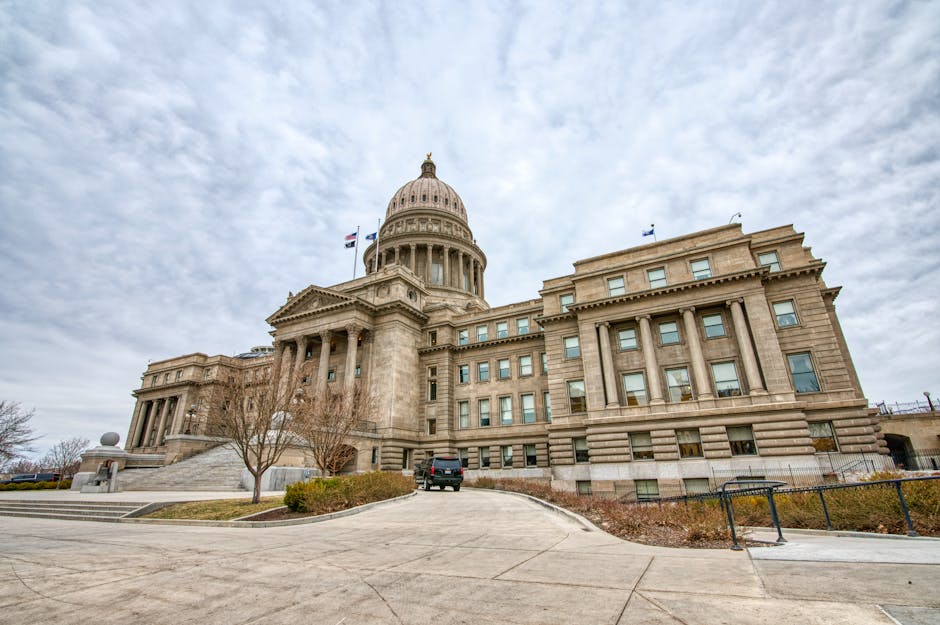
Idaho's 2026 legislative session wraps up amid heated debates over tax cuts, Medicaid spending, and fiscal priorities.
The 2026 Idaho legislative session ended with sharp partisan divides over fiscal priorities, marked by debates on tax relief and Medicaid spending. Conversations with House Speaker Mike Moyle, a Republican, highlighted the ideological rift between GOP leaders and Democratic lawmakers as they sparred over budget allocation and long-term economic strategy.
The Tax Cuts: A Republican Priority
One of the high-profile achievements touted by Republican leaders, including Speaker Moyle, was a package of tax relief measures intended to benefit Idaho residents. According to Moyle, these cuts aim to distribute financial relief to "every Idahoan" while preserving the state's rainy day fund. Idaho's surplus has been a contentious point, with the state maintaining $1.6 billion in reserve funds despite opposition from Democratic lawmakers who favor tapping the fund for immediate public needs.
"We filled those holes and took care of those needs that needed to be done," Moyle emphasized in a statement. He argued that fiscal responsibility took precedence and that the rainy day fund remains intact for future emergencies. Republicans framed the tax cuts as a success story, positioning themselves as stewards of responsible budgeting.
The Medicaid Funding Controversy
While tax cuts pleased conservatives, Medicaid and overall health and welfare spending emerged as the thorniest issue of the session. Moyle acknowledged that these programs continue to dominate Idaho's budget, raising concerns from Republican lawmakers about their sustainability. "The state of Idaho is going to have to figure out how to get the spending there under control," Moyle said. He added that Medicaid spending was "taking away resources from other places," signaling a priority for reform.
Democrats, however, took a starkly different view, highlighting the ongoing societal need for strong health and welfare programs. They argued that the surplus could be better utilized to address issues like healthcare access and expanding Medicaid, rather than channeling funds into tax cuts. In their view, failing to address these needs now jeopardizes long-term health outcomes for Idaho residents.
Budgeting in a State of Surplus
The centerpiece of the clash was the rainy day fund, a $1.6 billion reserve built up during recent years of economic growth. While Republicans laud its maintenance as a prudent move, Democrats view the fund as underutilized. Their argument rests on leveraging these reserves for immediate societal benefit, such as infrastructure development, education, and healthcare upgrades.
Speaker Moyle rebuffed such critiques, stating, "If it starts raining, we can use it. But for now, we filled those holes and took care of what needed to be done." This statement captures the GOP's emphasis on maintaining fiscal discipline, even as critics argue the state’s reserves are an untapped resource for addressing present challenges.
A Look Ahead: Challenges for Future Sessions
The 2026 session saw legislative activity that starkly defined the priorities of Republicans and Democrats in Idaho, leaving unresolved tensions regarding Medicaid funding and the rainy day fund. Looking forward, Speaker Moyle indicated that health and welfare spending will remain a persistent challenge that Idaho must grapple with in future sessions.
Medicaid provides vital assistance to many Idahoans, but its growing share of the state budget poses difficulties for funding other essential programs. Moyle and other GOP leaders have strongly signaled that reform in this area is inevitable, though specific proposals remain unclear. On the other side of the aisle, Democrats are likely to continue advocating for increased use of available reserves to meet these and other pressing needs.
The Bigger Picture
These debates in Idaho mirror broader national conversations over how state governments balance tax relief with spending on social services. Idaho’s focus on fiscal reserves aligns with conservative approaches seen in other Republican-led states, while Democratic calls to increase investment in healthcare echo a national push for expanded public health programs.
While the rainy day fund remains untouched for now, the competing narratives of fiscal conservatism versus immediate investment will shape Idaho's political landscape for years to come. As attention shifts to the 2027 session, stakeholders on both sides will likely continue scrutinizing how Idaho allocates its resources in pursuit of growth and stability.
Staff Writer
Ryan reports on fitness technology, nutrition science, and mental health.
Comments
Loading comments…


