AI is deciding who gets healthcare — and denying millions
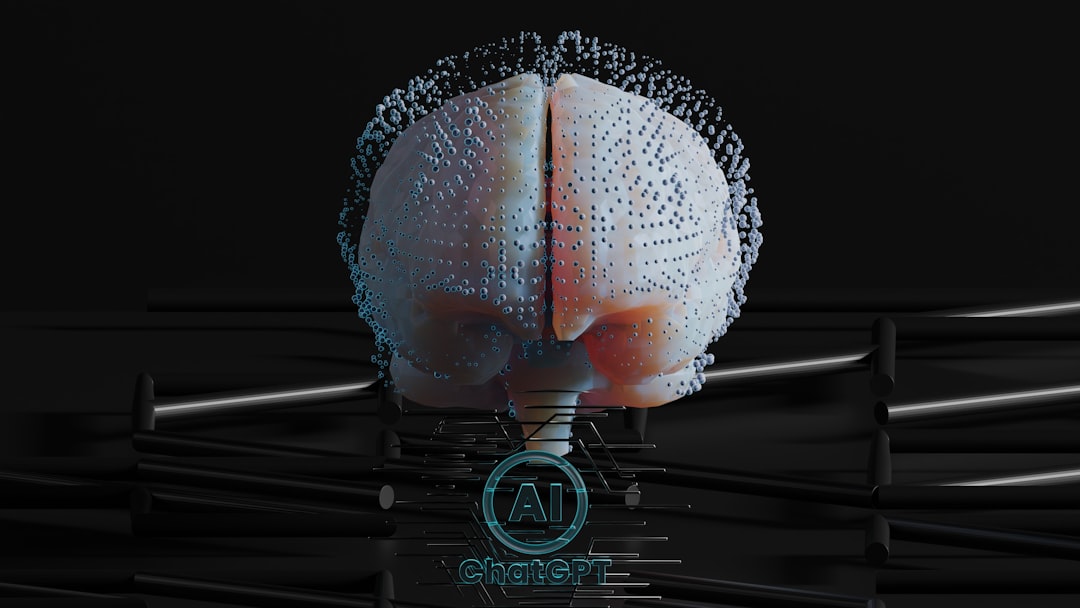
AI-driven systems are increasingly denying healthcare claims, sparking ethical, medical, and legal concerns over cost-cutting vs. patient care.
Artificial intelligence has permeated nearly every sector, but its role in healthcare decision-making has ignited one of the fiercest debates yet. Health insurance companies are increasingly relying on AI systems to decide whether or not to approve claims for medical procedures, medications, or hospital stays. These tools scan medical records and make determinations based on patterns in data, all without human review at times. For patients, this means their case can be rejected before a doctor even lays eyes on it.
How AI Is Being Used in Coverage Decisions
AI-based claim analysis may sound efficient in theory — processing mountains of data in seconds could streamline approval times. However, critics argue that these systems are designed with cost-cutting as the priority. Algorithms flag claims for rejection based on patterns, risk assessments, or historical data of other cases deemed "unnecessary" or "unjustified" by the insurer’s metrics. Crucially, this often happens without any human intervention, leaving patients with an automated "no" rather than a thoughtful evaluation of their unique medical needs.
For example, a hospital stay deemed critical by a doctor's professional judgment could be flagged as "medically unnecessary" by the AI, leaving the patient scrambling to appeal the decision. In some cases, patients have reported being denied essential procedures while still lying in their hospital beds, heightening the distress during what are often already vulnerable moments.
The Impact on Patients
For individuals requiring lifesaving or urgent medical care, a denied claim isn’t just an inconvenience — it can be catastrophic. Without coverage approval, a patient might have to delay treatment, shoulder enormous out-of-pocket costs, or forego care altogether. Alarmingly, this is happening at a scale that has gone largely unnoticed by the general public.
According to patient advocacy groups, most individuals are unaware that AI is even involved in the decision-making process for their healthcare claims. Unlike a denial made after a human expert reviews the case, an AI-driven rejection lacks transparency. Why was a claim flagged? What specific data was weighed more heavily? These questions often go unanswered, increasing frustration for both patients and medical professionals.
Pushback From Doctors and Lawmakers
Healthcare professionals are vocally opposing these AI-driven systems. Doctors argue that reducing patient care to algorithmic decision-making overlooks the nuances of individual cases. "Every patient is unique – no AI in the world can fully understand the complexities of a human body, let alone the context surrounding their care," said a practicing internal medicine physician who spoke on condition of anonymity.
Meanwhile, lawmakers are beginning to take action. Some states in the U.S. are now pressing insurers to disclose when and how they employ AI in coverage decisions. These initiatives aim to inject accountability and transparency into a process that has so far operated largely behind closed doors. Without regulation, there’s a fear that insurers could abuse AI tools to systematically reject claims with a veneer of "objectivity" that shields them from legal liability.
Ethical and Legal Implications
The controversy highlights a deeper ethical question: Should AI ever be allowed to decide who gets healthcare and who doesn’t? Proponents sometimes argue that AI can help reduce fraud and streamline processes, saving money that could be reinvested into patient care. However, critics argue that these systems favor insurers’ bottom lines over the well-being of patients and often lack the safeguards to ensure fairness.
Legally, the use of AI in healthcare decisions poses challenges as well. Patients who want to appeal a denial may struggle to navigate the system, particularly when it’s not clear how the AI’s decision process works. If the algorithm’s criteria include proprietary methods or inaccessible data, it becomes even harder to challenge unfair outcomes.
What This Means for Healthcare at Large
The rise of AI in insurance decision-making is emblematic of a broader trend: using technology to reduce costs in industries where human oversight has traditionally been vital. While automation has clear advantages in some sectors, healthcare may require a more cautious approach. Lives, after all, hang in the balance.
What’s more, this debate sheds light on the larger societal implications of AI. As these systems become more advanced and pervasive, their real-world consequences — in areas like healthcare, employment, and criminal justice — demand thorough scrutiny.
Moving Forward: What Needs to Happen
To address the concerns surrounding AI-driven healthcare denials, several measures could be implemented:
- Mandates for Transparency: Insurers should be required to disclose when AI is used in claim decisions and provide patients with clear explanations for denials.
- Human Oversight: Algorithms should augment, not replace, human judgment. A trained healthcare professional should always review AI-generated denials.
- Regulatory Enforcement: Government agencies need to set robust regulations to prevent any misuse of AI by insurers and ensure accountability if these systems harm patients.
- Public Awareness: Patients deserve to know when AI is playing a role in decisions about their health. Public education campaigns could help individuals understand how these tools work and what they can do if denied coverage.
These changes would not eliminate AI’s role in healthcare entirely, but they could offer a much-needed balance between technological innovation and ethical responsibility.
The Bottom Line
The quiet adoption of AI systems in health insurance is reshaping the landscape of patient care, often to the detriment of individuals most in need. Unless action is taken to introduce greater transparency, accountability, and oversight, the ethical dilemmas posed by these tools will only become more pressing. For now, the question of whether AI should ever decide someone's access to healthcare remains a contentious one — and millions of patients are caught in the crosshairs.
Staff Writer
Ryan reports on fitness technology, nutrition science, and mental health.
Comments
Loading comments…


