Black Maternal Health Week 2026: Addressing a Growing Crisis
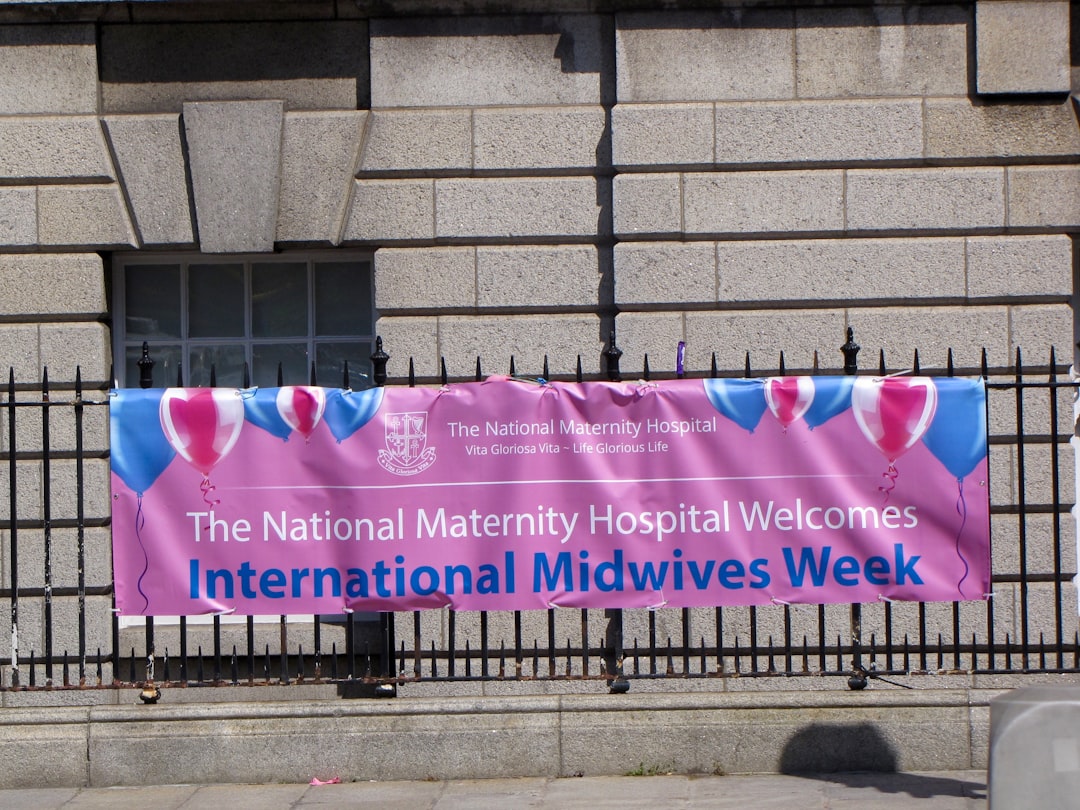
Black women in the U.S. face maternal mortality rates over three times higher than other groups. This crisis demands urgent attention.
Black Maternal Health Week 2026 arrives against a backdrop of alarming statistics and a growing call to action. Black women in the United States face a maternal mortality rate that is over three times higher than that of other racial or ethnic groups, according to public health data shared by advocates like Rose Sims, Executive Director of the Black Maternal Health Collective.
This disparity, which has shown no signs of improvement, is the focus of an entire week of programming designed to raise awareness and provide support to moms and babies. "The problem is getting worse," Sims emphasized during an interview, highlighting the urgency of implementing solutions.
The Crisis at Hand
Maternal mortality refers to deaths related to pregnancy or childbirth complications, and the statistics for Black women in the U.S. paint a dire picture. They are three times more likely to die as a result of pregnancy-related causes than white women. States such as South Carolina rank especially poorly; Sims noted that the state is ranked eighth highest in the country for maternal mortality rates. This geographic detail underscores how localized issues, like inadequate access to care or systemic inequalities in certain regions, contribute to the persistently high numbers.
But statistics alone fail to capture the full scope of the issue. "Most of our work at the Collective stems from lived experience," Sims explained. Many women involved in advocacy efforts either know someone who lost their life during pregnancy or have their own personal experiences with the gaps in the maternal health system. "We see a gap where there are not enough resources to connect women with local support," Sims added.
What Is Black Maternal Health Week?
Black Maternal Health Week serves as more than a symbolic event; it’s a week of intensive advocacy, workshops, and resource-sharing. Spearheaded by the Black Maternal Health Collective under the leadership of Sims, the initiative aims to "align resources and advocacy around Black maternal health." The emphasis is on creating tangible, community-tailored supports that women can access directly.
Workshops hosted throughout the week focus on educating families, mothers, and even healthcare providers. The goal is to empower individuals with the knowledge they need to navigate the healthcare system while holding institutions accountable for addressing biases and shortcomings. For instance, the Collective works on bridging women to local resources that might otherwise be inaccessible due to systemic barriers, lack of awareness, or issues with healthcare affordability.
Why Resources Are Crucial
Sims argues that the disparity in maternal mortality rates is deeply rooted in systemic inequities. Black women are more likely to encounter challenges such as being dismissed in healthcare settings, facing implicit bias from practitioners, or having access limited to facilities that are under-resourced.
The solution, according to the Collective, lies not only in increasing institutional support but also in fostering stronger community-level networks. When local resources are readily available and tailored to support women of color, those resources can help close the gaps in care. From prenatal education to postpartum support, these investments have the potential to save lives.
The Role of Advocacy
Advocacy campaigns like Black Maternal Health Week are key to amplifying voices that might otherwise go unheard. Sims pointed out that many of the Collective’s efforts are inspired directly by everyday women who have experienced the shortcomings of the healthcare system firsthand. By bringing these stories into the public eye during the week’s events, advocacy groups hope to pressure the healthcare system and lawmakers to invest in better care infrastructure.
Additionally, one foundation of their advocacy has been data. Citing small-scale studies and state-level health data, Sims and her team illustrate disparities that go deeper than broad national averages. For example, while national rates of maternal mortality among Black women are already high, some states show outliers with even more devastating figures.
Addressing the Psychological Toll
In addition to the alarming physical risks, the maternal health crisis takes a psychological toll on Black women, even those who have never given birth. Sims touched on this point, stating, "I am not a mother yet, but thinking about it, knowing these statistics about Black women and maternal rates, is alarming to me." The awareness of disproportionate risks looms as an additional emotional weight carried by Black women considering parenthood.
This psychological burden adds urgency to making visible changes. Beyond preventing mortality, addressing maternal health disparities involves reducing the stress and anxiety that disproportionately affects women who worry their race might predict their healthcare outcomes.
What Needs to Happen Next?
The Black Maternal Health Collective and similar organizations cannot shoulder this work alone. Structural and institutional changes are needed to address the root causes of the crisis. This includes:
- Addressing systemic racism and bias in the medical field through training and accountability measures.
- Increasing access to quality prenatal and postpartum care, especially in underserved regions.
- Expanding community health networks and ensuring local resources are adequately funded.
Advocates like Sims are pushing for these changes both at the grassroots level and in legislative spaces. It’s clear that Black Maternal Health Week is not just about education—it’s about driving real, measurable progress toward equity in maternal care.
The Takeaway
If maternal mortality disparities are not addressed, the black maternal health crisis will only continue to worsen. Events like Black Maternal Health Week 2026 are indispensable for raising awareness, empowering communities, and creating pathways for systemic change. As Sims and her peers point out, the stakes are quite literally life or death, and solutions require commitment from every level of society.
"Our goal is to make the supports we needed in the past accessible today," Sims concluded. With continued focus and advocacy, the hope is that future generations of Black women will not have to face the same risks and hardships when bringing new life into the world.
Staff Writer
Ryan reports on fitness technology, nutrition science, and mental health.
Comments
Loading comments…


