Breaking Down the Four Stages to Reverse Fatty Liver and Visceral Fat
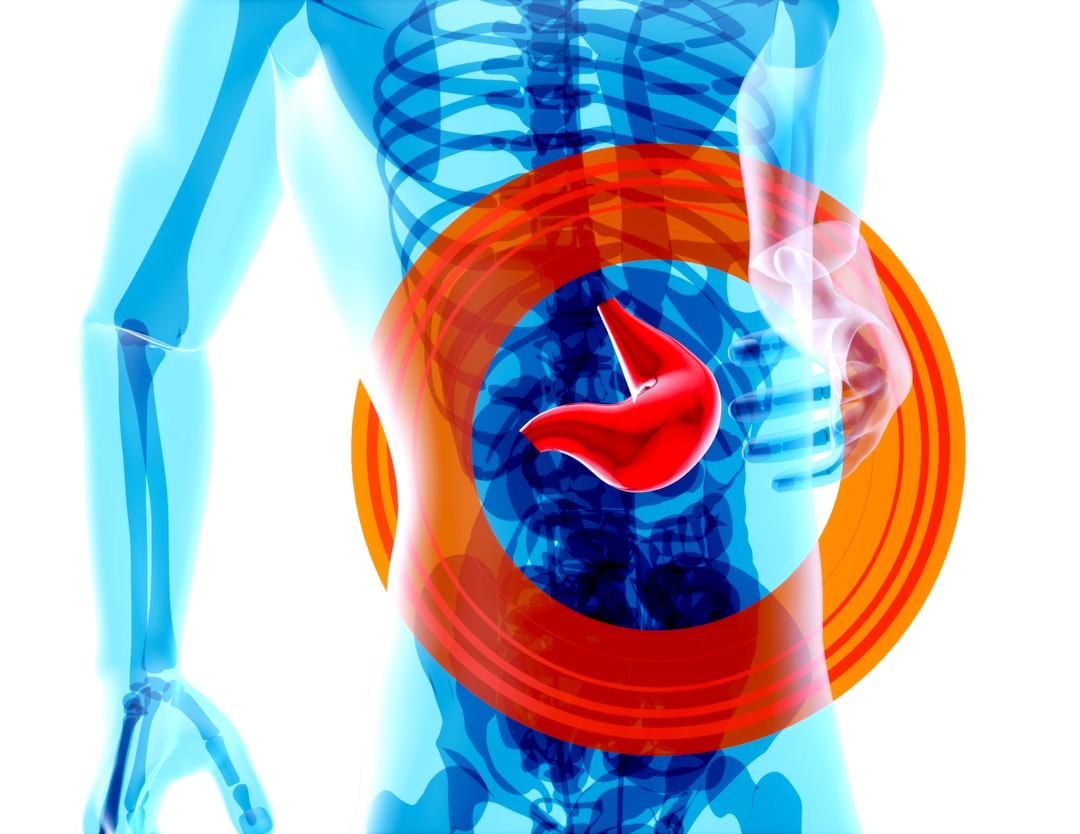
Learn how a structured, phased approach can combat fatty liver and reduce visceral fat, from addressing insulin resistance to maintaining long-term health.
Fatty liver disease and the accumulation of visceral fat are silent health issues affecting millions today. Many people discover they have a fatty liver by chance, often experiencing vague symptoms like fatigue or changes in waist size without realizing the underlying issue. Fortunately, this condition is reversible with a phased and structured approach, as evidenced by strategic dietary, exercise, and lifestyle modifications. Here's a breakdown of the four stages to reverse fatty liver and promote long-term health.
Stage 1: Address Insulin Resistance and Inflammation
The development of fatty liver begins with insulin resistance, not fat. When your cells stop responding properly to insulin, glucose remains in the bloodstream longer. This excess glucose often ends up in the liver, where it is converted to fat. Compounding the issue, insulin resistance blocks fat mobilization. Fat is therefore deposited in the liver faster than it’s removed.
To break this cycle, it’s vital to lower insulin resistance and control inflammation. This requires cutting back on refined sugars and processed carbohydrates, which spike glucose levels and increase insulin demand. Lower sugar intake gradually reduces inflammatory signaling, allowing insulin to function more effectively.
Omega-3 fatty acids offer further support. A meta-analysis of over 500 people with fatty liver disease found that omega-3 supplements significantly reduced liver fat and markers of liver inflammation. Omega-3s stimulate fat oxidation and directly reduce inflammatory signaling, driving essential improvements in liver function.
Physical activity also plays a role here. Research published in Sports Medicine shows that 135 minutes of moderate aerobic exercise per week can reduce liver fat, with optimal benefits seen at 150–240 minutes per week. Activities like walking or light cycling in a fasted state are particularly effective during this phase, as they tap into visceral and liver fat stores.
Stage 2: Activating Liver Fat Loss
Once inflammation and insulin resistance are under control, the focus shifts to actively mobilizing liver fat. Protein consumption is critical at this stage. Protein boosts satiety, supports lean muscle mass, and stabilizes metabolic processes, reducing the body’s long-term tendency to accumulate fat in the liver.
Dietary fiber also proves essential. Studies published in BMC Gastroenterology reveal an inverse relationship between fiber intake and fatty liver. Fiber slows carbohydrate absorption, stabilizing insulin levels. Moreover, it binds to fats and cholesterol in the gut, escorting them out of the body as waste.
Fasting combined with exercise offers additional benefits. A three-month study in Cell Metabolism highlighted the success of alternate-day fasting paired with moderate exercise. This approach reduced liver fat content by over 5%—more than double the reduction achieved with either fasting or exercise alone.
Strength training becomes increasingly important in this phase. Resistance exercises preserve muscle mass during periods of caloric restriction while enhancing fat metabolism, as shown in a meta-analysis of over 2,000 participants with fatty liver. The combination of aerobic and resistance training produces the most significant improvements in triglycerides and liver enzyme levels.
Stage 3: Targeted Diet and Nutrition Strategies
Once the basics of movement, fiber, and protein are in place, specific dietary strategies can amplify fat reduction. Monounsaturated fats, such as those found in olive oil, have demonstrated dramatic effects. A clinical trial in The Journal of Clinical Endocrinology and Metabolism found that olive oil-enriched diets reduced liver fat by up to 18% over 12 weeks.
Yet, the interplay between fiber and monounsaturated fats underscores the real magic. Another study in BMJ Open Diabetes observed a 40% reduction in liver fat when diets combined olive oil, fiber, omega-3s, and polyphenols. The takeaway? Stacking complementary nutritional elements maximizes benefits.
Certain foods also play a unique role in combating fatty liver:
- Garlic: In clinical trials, supplements containing garlic improved fatty liver in over half of participants. Garlic’s sulfur compounds reduce inflammation and oxidative stress, helping the liver repair itself.
- Coffee: Meta-analyses indicate that regular coffee consumption significantly lowers the risk of fatty liver progression to fibrosis. Coffee also reduces scarring and promotes liver resilience via its antioxidant content.
- Cranberries: Rich in teroselin, a compound that activates fat-burning pathways, cranberries have been shown to reduce insulin resistance and liver triglycerides in clinical studies.
- Beetroot Juice: Shown in animal studies to lower oxidative stress and inflammation, beetroot juice enhances the liver's ability to repair cellular damage.
Stage 4: Prevention and Maintenance
Once liver fat is reduced, the challenge is keeping it off. Fatty liver tends to recur if insulin resistance, inflammation, or poor metabolic habits resurface. Long-term success hinges largely on maintaining good sleep hygiene, as poor sleep quality correlates strongly with fatty liver recurrence.
Circadian rhythms also play a pivotal role. Consistently timed meals and sleep cycles keep hormonal processes—especially those related to insulin—balanced. Incorporating stress-reducing habits like meditation, light exposure, or yoga can further stabilize metabolic health.
Ongoing exercise is another critical component. Consistency, rather than intensity, is key. Regular moderate aerobic exercise combined with bi-weekly resistance training supports overall metabolic health and prevents weight regain.
Finally, nutrition remains foundational to long-term liver health. While occasional indulgences are inevitable, keeping refined carbohydrates and processed fats minimal is crucial. Emphasizing whole foods like leafy greens, lean proteins, and high-fiber grains will help sustain the progress made.
Why It Matters
A fatty liver can silently advance through harmful stages, ultimately leading to long-term liver damage, inflammation, and even cancer. The four-stage approach for reversing fatty liver emphasizes sustainable, evidence-based strategies over quick fixes. By addressing insulin resistance, fueling the liver with the right nutrients, and adopting preventive habits, individuals can secure both immediate improvements and lasting health benefits.
If you’re dealing with symptoms like unexplained fatigue, a growing waistline, or difficulty managing carbohydrates, it’s worth investigating whether these strategies could help. While reversing fatty liver takes time and persistence, the steps are surprisingly achievable—and the results can be life-changing.
Staff Writer
Ryan reports on fitness technology, nutrition science, and mental health.
Comments
Loading comments…


