Building Muscle Without More Protein: Science-Backed Strategies
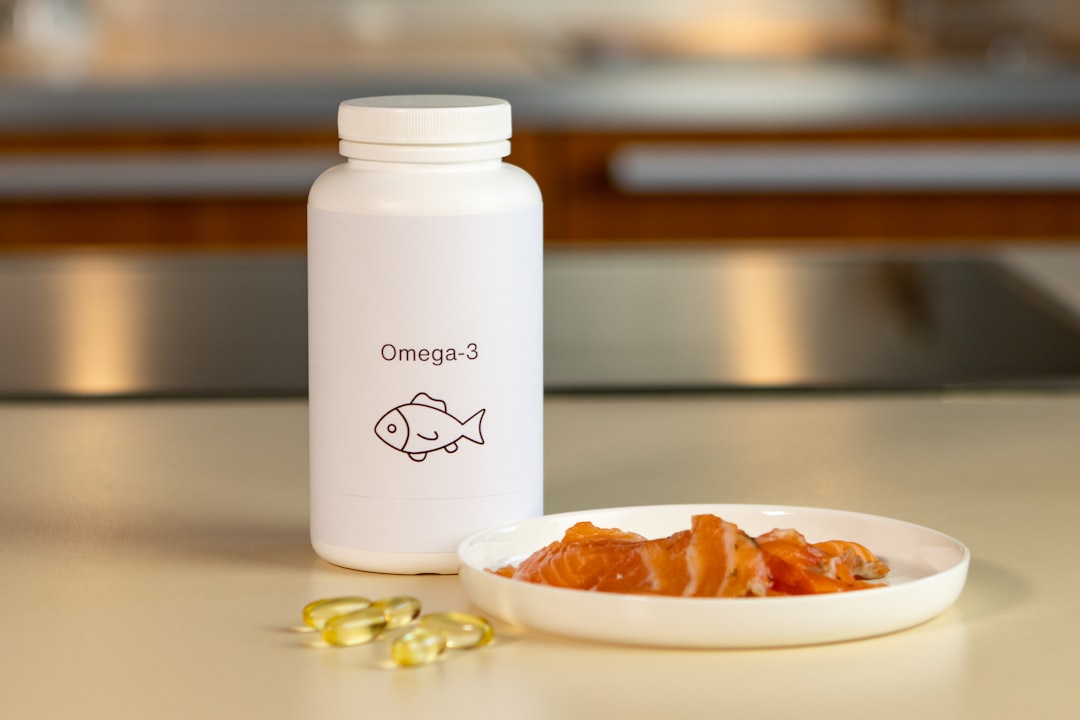
Discover how omega-3s, vitamin D, heat exposure, and light cardio can help boost muscle protein synthesis without increasing protein intake.
Muscle building and protein intake almost always go hand in hand. Yet recent findings and strategies suggest that you can enhance muscle protein synthesis (MPS)—the process of building muscle—without necessarily increasing your protein intake. Here’s how fish oil, certain types of cardio, heat exposure, and key supplements can help you maximize your muscle-building potential.
The Protein Sensitivity Game: An Overview
Protein is integral to muscle growth, but newer strategies don’t rely solely on eating more of it. Instead, they aim to make your body more “sensitive” to the protein you already consume. By optimizing how your body processes and synthesizes muscle protein, you can achieve significant gains in muscle mass. Let’s break down the key techniques backed by science.
Omega-3s: A Protein Power Booster
Omega-3 fatty acids stand out as a powerful enhancer of muscle protein synthesis, especially when paired with protein consumption. An 8-week study published in the American Journal of Clinical Nutrition explored the effects of omega-3s versus corn oil on muscle-building signaling and MPS. While corn oil showed no muscle-building benefits, omega-3s triggered anabolic signaling and enhanced protein synthesis—but only during specific conditions.
When high levels of insulin and amino acids were present (a state often achieved post-meal or post-workout with protein supplementation), omega-3 fatty acids significantly boosted MPS. This means that taking fish oil (1,000–2,000 mg) with your post-workout shake or incorporating omega-3-enriched foods like sardines with protein-heavy meals can maximize the anabolic impact of your existing diet.
The Surprising Role of Cardio
Conventional fitness wisdom often paints cardio as the “enemy” of muscle gain due to its catabolic nature. However, a 2022 systematic review published in Sports Medicine found that certain types of cardio could enhance MPS at both the mixed and myofibrillar levels.
The key lies in light interval cardio or aerobic sessions. These activities stimulate mTOR signaling and decrease myostatin, a protein that limits muscle growth. Additionally, repeated eccentric and concentric muscle contractions increase PGC1A, a protein responsible for mitochondrial production. With more mitochondria, your muscles recover faster and allocate more energy toward protein synthesis.
How to incorporate it: After resistance training, include 20 minutes of light, high-intensity interval training (about 70–80% intensity). A one-to-two work-to-rest ratio, performed a few times per week, is sufficient to reap these muscle-friendly benefits.
Vitamin D: More Than Bone Health
Vitamin D isn’t just vital for bone health—it plays a crucial role in muscle synthesis. A study in Molecular Metabolism found that individuals with higher expression of vitamin D receptors experienced more significant mTOR signaling and increased muscle hypertrophy when paired with resistance training.
Supplementation of 2,500–3,500 IU of vitamin D daily (especially if deficient) appears to optimize muscle-building pathways. However, excessive doses can lead to toxicity, so finding the appropriate balance is critical.
Heat Exposure: A Sauna’s Hidden Benefits
If you think saunas are just for relaxation, think again. A study published in the journal Health found that frequent heat exposure via saunas significantly increased muscle mass. Participants who did 24 sauna sessions over 10 weeks gained lean body mass without making any exercise changes.
Why does heat work? It increases heat shock proteins (HSP70), which are associated with enhanced muscle protein synthesis. Additionally, heat exposure promotes recovery and reduces inflammation, key factors for building muscle. If you don’t have access to a sauna, a hot bath can yield similar results.
How to incorporate it: Aim for 20–30 minutes in a sauna or hot bath two times per week. For even better results, combine heat therapy with adequate protein intake post-session.
Magnesium for Inflammation and Muscle Power
Inflammation can hinder muscle recovery and growth. Magnesium, a critical mineral, has been shown to lower inflammation and improve physical performance. A study in Bone and Mineral Research associated higher serum magnesium levels with reduced inflammation, increased muscle mass, and greater leg power output.
Supplementation with 200–800 mg of magnesium daily, in forms such as magnesium glycinate or malate, can help. Finding the right dose may require experimentation, as excess magnesium can cause gastrointestinal discomfort. Slowly increasing your dose while monitoring for side effects is recommended.
Putting It All Together
To efficiently build muscle without increasing protein intake, combine these strategies into your fitness routine:
- Omega-3 supplementation: Take 1,000–2,000 mg alongside post-workout shakes or protein-rich meals.
- Cardio integration: Add light, high-intensity interval training (20 minutes) post-resistance workout a few times per week.
- Vitamin D optimization: Supplement 2,500–3,500 IU daily if you’re deficient or need additional support.
- Heat therapy: Use a sauna or hot bath for 20–30 minutes, twice a week, to trigger HSP70 and support recovery.
- Magnesium intake: Experiment with 200–800 mg daily to reduce inflammation and enhance recovery.
The Bottom Line
While protein intake remains foundational for muscle growth, these evidence-backed techniques offer a new layer of optimization. From omega-3s to vitamin D, heat exposure, magnesium, and cardio, these strategies show that muscle building doesn’t have to hinge entirely on increasing dietary protein. Embracing these methods can enrich your current routine, helping you achieve better results with the same or even lower protein intake. Whether you’re a seasoned athlete or just beginning your fitness journey, these approaches are worth exploring.
Staff Writer
Lauren covers medical research, public health policy, and wellness trends.
Comments
Loading comments…


