Can a Teaspoon of Honey Improve Your Metabolic Health?
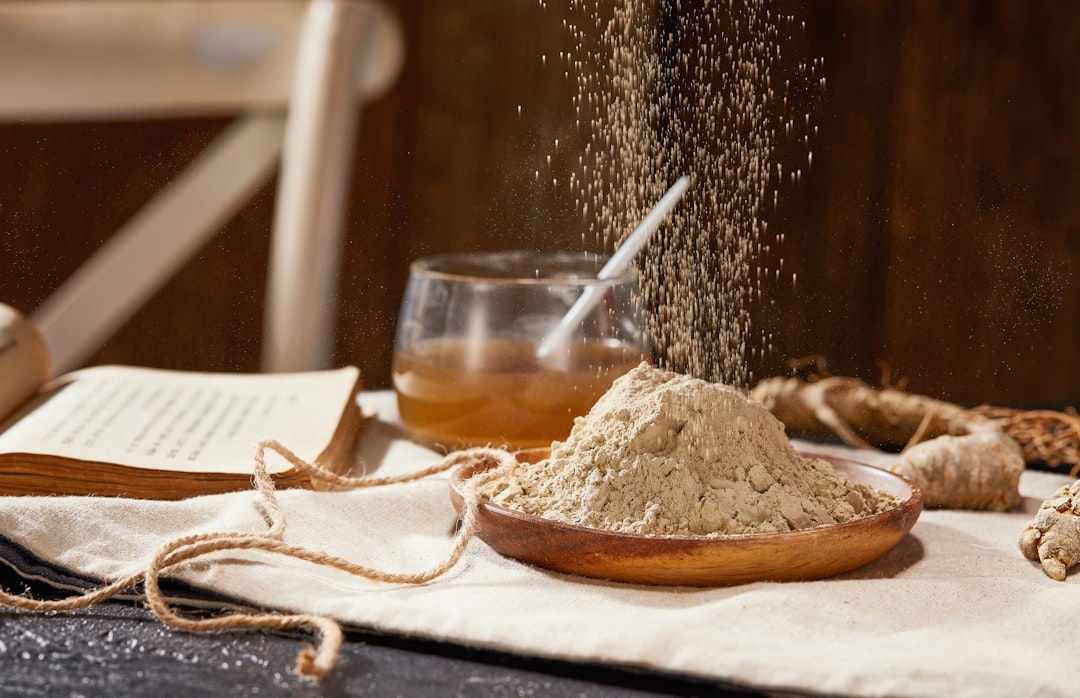
A new approach suggests a small pre-meal dose of fructose, like a teaspoon of honey, could reduce insulin spikes and blood sugar response significantly.
Is it possible that a simple spoonful of honey could optimize your body's metabolic response to a carb-heavy meal? This counterintuitive concept is gaining attention thanks to recent research examining how small, strategic doses of fructose—naturally found in honey—can improve how your body manages glucose from carbohydrate-rich meals.
The Problem: Managing Insulin and Blood Sugar Spikes
High-carb meals, such as sushi, pasta, or a festive holiday dinner, can cause significant spikes in both blood sugar and insulin. These fluctuations may lead to fatigue, hinder fat loss, or even contribute to metabolic disorders in the long run. For individuals with compromised metabolic health, such as type 2 diabetes, these spikes are particularly problematic.
Typically, sugar is seen as something to minimize, especially fructose, which is often linked to negative outcomes like non-alcoholic fatty liver disease when consumed in excessive amounts. But is there a way to use fructose, specifically a minimal, controlled dose, to mitigate some of these risks? Research suggests that the answer might be "yes."
Understanding the Science: Why Fructose is Different
Fructose and glucose, both components of sugar, behave differently once ingested. While glucose is a general-purpose energy currency for the body's cells, fructose is uniquely metabolized by the liver. In large quantities, this fructose processing pathway can lead to fat synthesis in the liver, a precursor to severe conditions like fatty liver disease. However, in small amounts, fructose can play a crucial signaling role.
According to recent studies, consuming a tiny amount of fructose before a high-carb meal "primes" the liver. It essentially sends an advance warning signal to the liver that it needs to prepare for an influx of glucose from the upcoming meal. This liver "priming" enables the organ to manage incoming glucose more efficiently, leading to smaller blood sugar spikes and reduced insulin release.
Compelling New Research
A study published in Diabetes Care highlights this potential. Researchers conducted glucose tolerance tests on participants with type 2 diabetes. Normally, when the participants consumed a 75-gram glucose drink, their blood sugar and insulin levels surged.
But in a follow-up test, the researchers added just 7.5 grams of fructose (roughly the amount in a teaspoon of honey) to the same glucose load. Surprisingly, the blood sugar response decreased by 14%, and insulin levels dropped by 21%, suggesting that fructose—when used in small quantities—can significantly improve the body's glucose processing capabilities.
How It Works: A Signal for Metabolic Readiness
A small dose of fructose initiates a process in the liver involving an enzyme called hepatic glucokinase. This enzyme acts like a warehouse foreman preparing for an incoming shipment. When fructose reaches the liver first, it "alerts" the enzyme, which then activates glucose storage mechanisms. By the time the main glucose load from the meal arrives, the liver is ready to store the glucose efficiently as glycogen, reducing the amount of glucose circulating in the bloodstream and minimizing the insulin response.
Practical Applications: The Protocol
Using this approach doesn’t involve major dietary changes but requires precise timing and consistency. Here’s how you can apply the findings:
- Timing: Consume the fructose about 15 minutes before a high-carb meal.
- Amount: The sweet spot is approximately 7.5 grams of fructose, equivalent to a teaspoon of high-quality raw or Manuka honey.
- Optional Enhancements: The effects can be amplified by adding glycine and polyphenol-rich foods, like raspberries.
Adding Glycine
Glycine, a simple amino acid, can support insulin production by signaling the pancreas to build more beta cells. This increases the pancreas’s capacity to handle blood sugar levels. To integrate glycine, you can mix 3 grams of glycine powder in water and drink it along with your honey dose.
Including Raspberries
Raspberries, rich in both fructose and polyphenols, add another layer of benefits. Polyphenols enhance gut hormone activity, reduce inflammation, and slow glucose absorption from the digestive tract. This triple-action mechanism further aids in achieving stable blood sugar levels.
Full Protocol Summary
Fifteen to twenty minutes before your meal:
- Mix 3 grams of glycine powder in a small glass of water and drink it.
- Consume 1 teaspoon of raw honey or a small handful of raspberries (or both).
This combination "primes" your liver and pancreas, while polyphenols in raspberries help slow carbohydrate absorption.
Addressing Concerns
Critics might argue that these metabolic "hacks" are overly complicated or unnatural. However, proponents suggest that modern diets, often high in processed carbohydrates, necessitate these interventions. While our ancestors may not have needed glycine powders or raspberry supplements, contemporary challenges, including highly refined foods, make these strategies relevant in today's context.
Broader Implications
If validated by further studies, this approach could transform how individuals—especially those with metabolic conditions like type 2 diabetes—manage blood sugar responses. For now, it's an intriguing development that offers a science-backed metabolic tool. While this isn’t a license to indulge in fructose-heavy foods like soda, it shows that timing and dosage matter significantly when using fructose strategically.
Technology and personalization in health and nutrition often aim at macro solutions, such as continuous glucose monitors and data-driven diets. This "teaspoon hack" is a fine-grained intervention, highlighting how small adjustments can yield significant results.
Whether you're trying to balance your energy levels, optimize workout recovery, or manage a health condition, understanding the science of fructose could open new pathways for dietary strategies. Think of it as a small but meaningful step toward better metabolic health.
Staff Writer
Lauren covers medical research, public health policy, and wellness trends.
Comments
Loading comments…


