Community Meeting Highlights: Crime, Quality of Life, and Transparency in Lower Manhattan
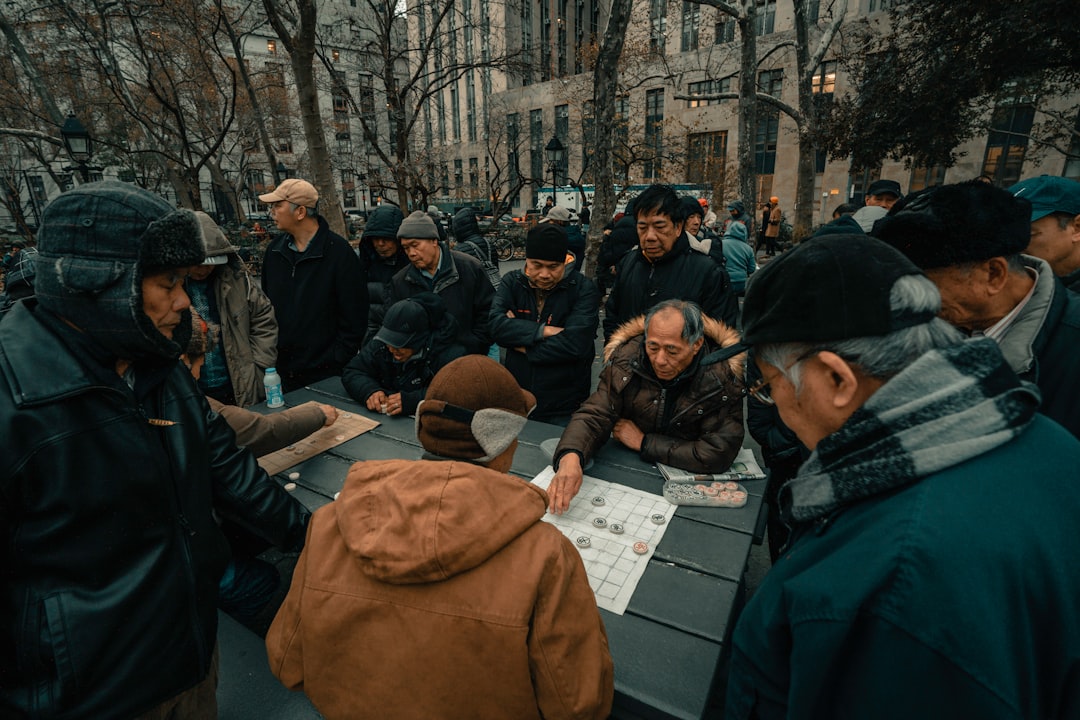
The April meeting of the Quality of Life, Health, Housing & Human Services Committee addressed crime stats, community concerns, and transparency in Lower Manhattan.
The latest meeting of the Quality of Life, Health, Housing & Human Services Committee in Lower Manhattan provided an illuminating snapshot of crime, public safety, and community concerns. Held in April, the session highlighted crime statistics, ongoing policing challenges, and the importance of engaging the public in addressing local issues. Officer Michael Rockolski of the NYPD's First Precinct presented detailed updates as residents raised questions and shared their perspectives.
Crime Statistics: A Mixed Picture
Officer Rockolski began his report by outlining crime trends for the First Precinct. While overall crime had decreased significantly across the district, specific areas continued to present challenges. For instance, grand larcenies remained a concern, driven largely by retail theft and digital scams. Rockolski described scenarios that ranged from elaborate Venmo donation scams to criminals intercepting credit cards before they reach intended recipients.
Robberies increased slightly, primarily attributed to shoplifting incidents that escalated. However, other serious crimes, including murder and rape, remained flat or non-existent. Vehicle-related 311 complaints had also dropped by 9%, and noise complaints were down 10%, lending some optimism to the precinct’s ongoing enforcement efforts.
However, not all the updates were positive. Disorderly conduct complaints rose by 4%, largely due to activity in the Canal Street area. Noise and residential quality-of-life issues continue to register as top calls for the precinct.
Recent Violent Incidents
Two alarming incidents were highlighted during the meeting. A shooting occurred weeks ago on Fulton and William Street, stemming from a dispute that escalated into gunfire. Thankfully, no one was injured, and detectives are actively investigating. Surveillance footage from nearby buildings is being reviewed, though one resident expressed frustration that the community wasn’t informed of the incident quickly enough.
Separately, a stabbing took place at the Wall Street subway station following an argument. The victim remains hospitalized, and the details are still unfolding. Officer Rockolski advised community members to remain vigilant, particularly on public transportation, and to avoid engaging with confrontational individuals.
Risks from Scams and Fraudulent Activity
An emerging threat discussed at the meeting involved scams exploiting public access to NYPD officer profiles on the 50-a.org website. The site provides information such as precinct assignments, badge numbers, salaries, and past allegations. Scammers have reportedly been impersonating officers, using platforms like WhatsApp to pressure individuals into financial schemes. While it’s unclear how to restrict the dissemination of public officer data, Officer Rockolski stressed that the NYPD does not contact individuals using WhatsApp or similar platforms. Residents were urged to report such incidents.
Public Concerns About Transparency
A recurring theme during the meeting was the need for greater transparency about incidents in the area. Several residents voiced dissatisfaction with the lack of timely community notification following violent events. “If no one knows about it, no one can help,” said one participant, referencing both the Fulton Street shooting and other incidents involving targeted harassment of Asian community members.
Residents suggested increased communication efforts, such as utilizing community bulletin boards or online platforms to inform the public about ongoing investigations and safety-related updates. Committee members acknowledged the challenges of balancing transparency while avoiding unnecessary panic.
Tackling Canal Street and Illegal Vendors
Another concern raised was chronic illegal vending on Canal Street. Officer Rockolski noted that Deputy Inspector Fischer had been performing multiple daily patrols to mitigate the issue. Vendors often shift operations from one precinct to another, complicating enforcement. Despite recent crackdowns, the situation remains volatile, occasionally leading to disputes between vendor groups themselves, including recent physical altercations.
Precinct Guidance for Safer Living
Officer Rockolski offered practical advice for residents to reduce their vulnerability to crime. He emphasized simple precautions, such as always locking vehicle doors and avoiding leaving cars idling unattended. He also reiterated guidance on subway safety, including staying alert, avoiding distractions like excessive phone use, and moving to another train car if someone appears erratic.
Technology’s Role in Community Awareness
Efforts to harness open data for public benefit also came up during the meeting. A local community member is working on implementing a crime data tracker, which could provide real-time or periodic reports on incidents within the district. Such tools may allow residents to identify patterns and work proactively with local law enforcement.
Looking Ahead
Upcoming events and logistical updates rounded out the session. Officer Rockolski mentioned the Bloomberg Square Mile Run and the American Heart Association race scheduled for May, advising residents to avoid driving in Lower Manhattan during those days. Additionally, the First Precinct’s monthly council meeting is set for April 30 at New York Law School—a key opportunity for residents to engage directly with local law enforcement.
This April update showed progress in several areas but also underscored challenges such as ongoing scams, the permeability of illegal vending operations, and the need for broader community involvement. As the city grapples with these issues, the importance of collaboration between residents and law enforcement remains paramount. For Lower Manhattan, maintaining this dialogue is critical to addressing both immediate and long-term concerns.
Staff Writer
Lauren covers medical research, public health policy, and wellness trends.
Comments
Loading comments…


