Remembering Food Safety: Four Steps to Protect Your Health
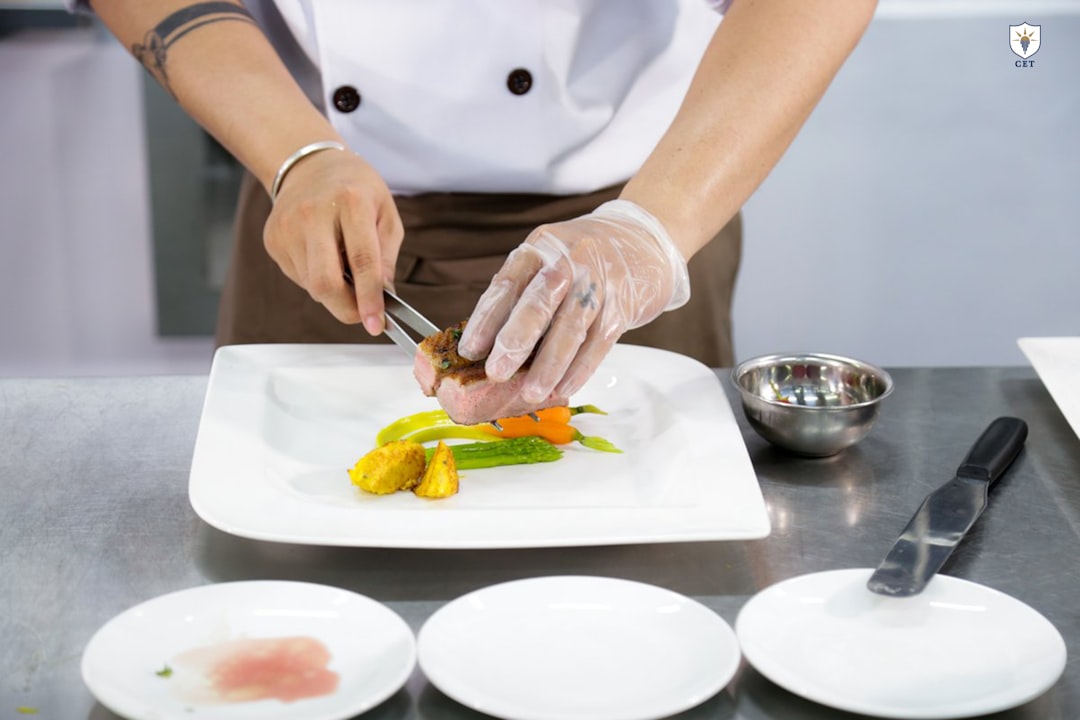
Food safety is crucial for health. Learn the four key steps: clean, separate, cook, and chill, to minimize risks in your kitchen.
Food safety plays a vital role in protecting your health, with simple yet effective steps that can help ensure your meals are both nutritious and safe. According to health recommendations highlighted on April 17, 2026, there are four fundamental practices that everyone should remember: clean, separate, cook, and chill.
1. Clean: Start with Clean Hands and Surfaces
Washing your hands thoroughly with soap and water is the first defense against harmful bacteria and viruses. Cleaning your kitchen surfaces, utensils, and cutting boards after each use is just as important. This helps remove food residue and microorganisms that could contaminate your meals. Don’t forget to rinse fresh fruits and vegetables under running water before preparing or eating them.
2. Separate: Avoid Cross-Contamination
Cross-contamination is one of the leading ways bacteria spread in the kitchen. To prevent this, make it a habit to use separate cutting boards and utensils for raw meat, poultry, seafood, and other foods like fresh produce. Store these ingredients in sealed containers and keep them apart, especially in your refrigerator, to prevent raw juices from coming into contact with ready-to-eat items.
3. Cook: Ensure Proper Temperature
Cooking foods at the correct temperature is essential to kill harmful bacteria. Use a food thermometer to confirm that meats have reached safe minimum internal temperatures. For example, poultry should be cooked to an internal temperature of 165°F. Heating leftovers thoroughly is equally important—bring them to a temperature hot enough to eliminate bacteria that may have multiplied during storage.
4. Chill: Proper Storage at Safe Temperatures
Refrigerating perishable items promptly can significantly slow the growth of harmful bacteria. Ensure your refrigerator is set to or below 40°F, and your freezer to 0°F. Leftovers and other perishable foods should be stored within two hours of cooking (or within one hour if the ambient temperature exceeds 90°F). Keeping food cold not only preserves quality but reduces health risks.
By incorporating these four steps into your daily food preparation routine, you can protect yourself and your loved ones from foodborne illnesses. Being mindful in the kitchen doesn't require extensive effort but yields significant benefits for overall health and well-being.
For more insights and advice on food safety practices, stay tuned to updates from health organizations.
Staff Writer
Ryan reports on fitness technology, nutrition science, and mental health.
Comments
Loading comments…


