Duke Hosts First Climate and Health Symposium: Exploring the Intersections
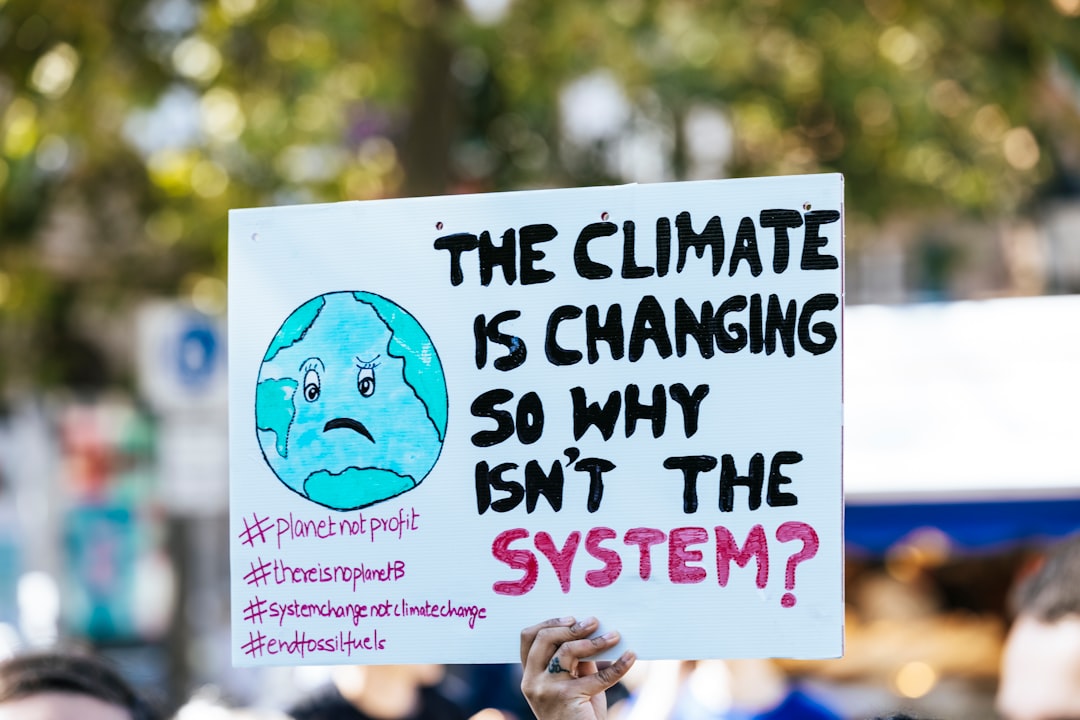
Duke University’s Climate and Health Research Initiative hosted its first symposium, addressing the links between climate change and public health challenges.
The intersection of climate change and human health took center stage during the First Climate and Health Symposium held at Duke University. The symposium brought together experts from diverse fields—including medicine, environmental science, and policy—to explore how climate change poses direct and indirect risks to public health, and what can be done about it.
Science and Collaboration at Duke
The symposium was spearheaded by Robert Thai, director of Duke’s Climate and Health Research Initiative, part of the Duke University School of Medicine. In her opening remarks, Dean Mary Klotman underscored the collaborative spirit at Duke, highlighting how the institution integrates campus-wide expertise to address major global issues such as climate change.
Dean Klotman described climate change as a multifaceted threat to human health, touching on issues ranging from rising temperatures and air pollution to water scarcity and microbial environmental changes. She reflected on the need to remain focused despite external challenges and emphasized the wealth of tools now available to drive scientific discovery. “Now is not the time to take our foot off the pedal of science,” she urged attendees, while encouraging researchers to leverage interdisciplinary approaches.
The symposium also celebrated early successes in funding and collaboration. A proposal developed by Thai’s team, in partnership with the Dean’s Office, secured initial funding from the Duke Endowment. Klotman noted that the initiative had already catalyzed collaboration, reflecting Duke’s tradition of rapidly mobilizing resources and expertise to tackle complex problems.
A Global Focus with Local and International Reach
One of the recurring themes of the event was interconnectedness—between disciplines, institutions, and geographic locations. The symposium placed a significant emphasis on not just local but also international partnerships, such as those with Duke University’s campus in Singapore. Klotman encouraged researchers to look beyond their fields of expertise and establish collaborations with diverse entities on campus, such as the Nicholas School of the Environment, as well as with policy experts and organizations abroad.
Keynote by Dr. Mary Rice: Climate Change and the Lung
Dr. Mary Rice, a Harvard-based pulmonary physician and environmental scientist, delivered the keynote address. As the Director of the Center for Climate, Health, and the Global Environment at Harvard, Rice drew on her extensive experience to highlight the critical pathways through which fossil fuel pollution and climate change are impacting human health—especially respiratory health.
Rice framed her lecture by explaining that carbon dioxide emissions causing global warming also generate air pollutants like fine particulates, which have well-documented negative effects on public health. She presented alarming findings from her own research, including:
- Children living within 100 meters of busy roads are three times more likely to suffer from asthma compared to those living further away.
- Adults in such areas experience lung function declines comparable to the harm caused by smoking.
From an environmental standpoint, she noted that wildfires, ozone formation, and prolonged pollen seasons—each exacerbated by warming climates—are worsening respiratory health worldwide. For example, wildfire smoke has undone gains made in air quality improvements in parts of the United States, demonstrating the urgency of addressing the issue.
Linking Regional Observations to Global Trends
Dr. Rice’s presentation outlined the broader implications of these issues. She discussed how the warming planet has already exceeded critical global thresholds, including hitting the 1.5° C temperature increase above pre-industrial levels for the first time on record in 2024. While this milestone reflects an annual average rather than a long-term trend, it points to the uphill battle of remaining within targets set by the Paris Climate Agreement.
Her talk also included a poignant anecdote about Ella Kissi-Debrah, a nine-year-old from London whose death was the first officially attributed to air pollution. “You could see the soot from London’s air pollution in her lungs,” Rice shared, underscoring the invisible but deadly nature of polluted air.
Specific Health Impacts Explored
Dr. Rice delved into three main health risks tied to climate change:
-
Ozone and Smog: Rising temperatures enhance the formation of ground-level ozone, which triggers airway irritation and inflammation. Even at exposure levels previously deemed safe, significant reductions in lung function were observed in her studies. Obese individuals, disproportionately affected, experienced twice the respiratory impact of their counterparts.
-
Pollen and Allergens: Elevated CO2 concentrations and warming temperatures are lengthening allergy seasons and increasing the allergenicity of pollen. “Many think pollen is just a nuisance, but it’s one of the leading triggers for asthma attacks and doctor visits,” Rice noted, stressing that this is a growing public health concern.
-
Wildfire Smoke: Worsening wildfires driven by climate change are degrading air quality, particularly in the western United States and Canada. While emissions from fossil fuels have decreased in recent decades, wildfire activity has offset these improvements. The air quality regressions illustrate just how intertwined environmental and human systems have become.
The Path Forward
The symposium concluded with a discussion of strategies to bolster climate and health research. Dr. Rice emphasized the importance of bridging disciplines and leveraging existing expertise to drive innovation. She also noted that tools like predictive modeling and advanced diagnostics enable researchers to tackle the crisis with unprecedented precision.
Dean Klotman and Dr. Rice both stressed that the fight against climate change requires action on all fronts. At Duke, the Climate and Health Research Initiative aims to be a hub for campus-wide and global collaboration. With strong foundations in medicine, policy, and environmental science, Duke is poised to lead groundbreaking research at the intersection of climate and health.
A Call to Collaborative Action
Events like this symposium underscore the urgency of designing comprehensive solutions to mitigate the effects of climate change on human health. Duke’s leadership in fostering conversations and pioneering research is an inspiring step forward. For those working in science, the message remains clear: focus, collaborate, and innovate. The stakes—measured not in numbers but in lives—couldn’t be higher.
Staff Writer
Ryan reports on fitness technology, nutrition science, and mental health.
Comments
Loading comments…


