Euronews Health Summit 2026: Europe Tackles Medical Sovereignty, Innovation, and Competitiveness
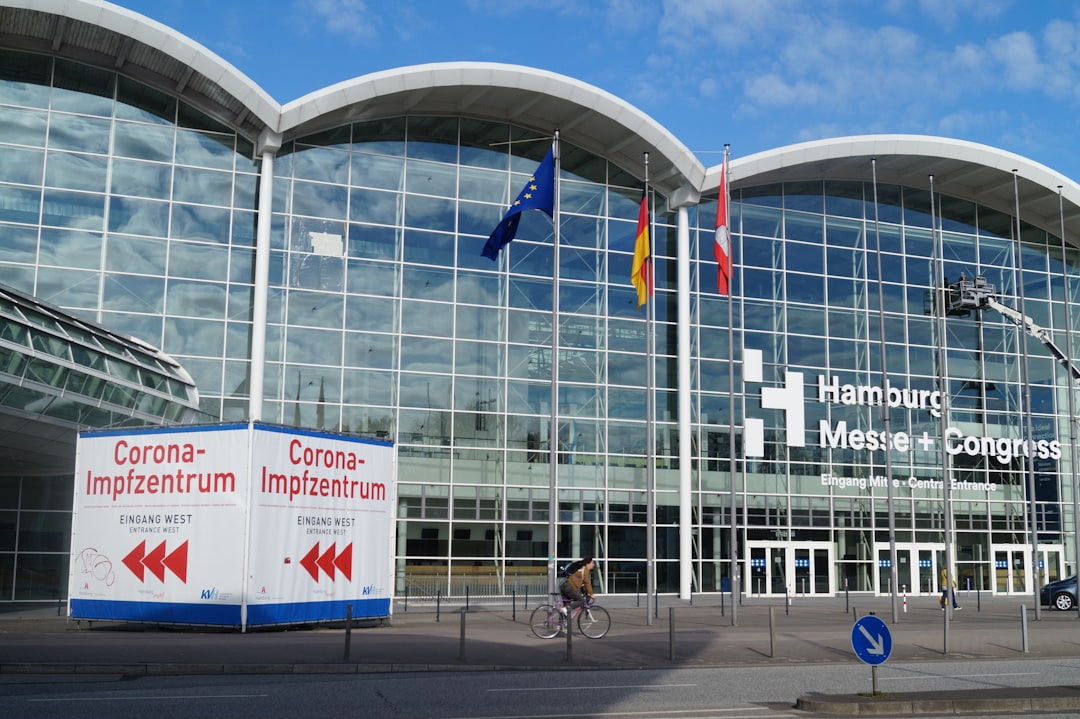
At the Euronews Health Summit 2026 in Brussels, EU leaders discussed strategies to strengthen Europe's healthcare, tackle challenges, and boost innovation.
Europe Confronts Healthcare Challenges at Euronews Health Summit 2026
The Euronews Health Summit 2026, held in Brussels, spotlighted the critical challenges facing Europe’s healthcare systems and policies. With workforce shortages, fragile medical supply chains, aging populations, and rising healthcare costs, European leaders and industry stakeholders gathered to address pressing issues such as Europe's medical sovereignty, pharmaceutical innovation, and the growth of artificial intelligence (AI) and biotechnology in healthcare.
Among the key takeaways was the urgency to sustain Europe’s competitive advantage in healthcare innovation despite growing global competition and internal vulnerabilities. The summit laid a platform where policymakers, industry leaders, and experts discussed strategies to ensure access to cutting-edge medical treatments for citizens while protecting economic interests.
Addressing Medical Sovereignty and Supply Chain Vulnerabilities
Recent crises, including the COVID-19 pandemic, have underscored weaknesses in Europe’s healthcare framework, particularly in supply chains and medical sovereignty. Pedro Vargas David, Chairman of Euronews, emphasized that Europe has seen its share of global pharmaceutical research and development (R&D) investments decline over the last decade, while competitors like the U.S. and China have surged ahead.
To combat these challenges, the summit put forth several key questions: How can Europe maintain its medical sovereignty while fostering competition and innovation? What steps can secure resilient healthcare supply chains vulnerable to global shocks such as pandemics or geopolitical tensions? As European pharmaceutical firms continue to invest billions annually, the need to balance these investments with patient affordability and patent protections was a recurring theme.
Biotechnology as Europe’s Pillar for the Future
Biotechnology emerged as a cornerstone of the strategy to keep Europe’s healthcare systems globally competitive. According to Oliver Vahi, European Commissioner for Health and Animal Welfare, the biotech sector contributes almost €40 billion to the EU’s economy, with health biotechnology accounting for 80% of this figure.
Commissioner Vahi highlighted how biotechnology promises transformative healthcare solutions. This includes personalized medicine, improved diagnostics, and a stronger focus on prevention rather than reactive treatment. To fast-track biotech innovations, the recently proposed Biotech Act aims to streamline regulatory approvals for clinical trials. Key features of this proposal include:
- Reduced approval timelines for clinical trials from 106 days to 75 days for multi-country trials and from 75 to 47 days for single-country trials.
- Revised regulations for advanced therapies and accelerated pathways from laboratory research to patient access.
- Investments totaling €10 billion via pilot programs designed to attract venture capital into biotech innovation.
Strengthening the Regulatory Environment
Europe also aims to update outdated pharmaceutical regulations, many of which are over 20 years old. These reforms, part of a comprehensive “Pharmaceutical Reform” package, are designed to enhance the EU’s position as a hub for pharmaceutical innovation by simplifying processes and integrating digital technologies such as e-health records.
The reforms include:
- Ensuring the affordable, equitable distribution of new treatments across member states.
- Stronger obligations for pharmaceutical companies to prevent medicine shortages, especially for critical drugs like antibiotics and cancer therapies.
- Incentivizing investment in areas of unmet medical need while ensuring competition fosters continued innovation across the industry.
Tackling Chronic Diseases with the 'Safe Hearts Plan'
Besides regulatory changes, Europe is honing its focus on tackling preventable diseases that expensively burden its healthcare systems. Commissioner Vahi introduced the "Safe Hearts Plan" to address cardiovascular diseases, the leading cause of death in the EU. The plan emphasizes prevention, early detection, and management of chronic conditions.
Statistics highlighted during the summit revealed that 1.7 million lives are lost annually to cardiovascular diseases across the European Union, roughly 80% of which are preventable via lifestyle interventions and healthcare preventive measures. These initiatives also aim to combat the consumption of ultra-processed foods and promote healthier dietary choices among Europeans.
AI and Digital Transformation: A Catalyst for Change
Artificial intelligence and digital technologies are at the forefront of Europe’s healthcare strategy. The European Health Data Space (EHDS) was identified as a critical component driving this transformation.
The EHDS will allow European citizens to access their health data anywhere within the EU, drastically improving the efficiency and transparency of existing systems. Benefits include reduced administrative burdens on doctors, quicker access to treatment options, and faster sharing of health data for research purposes. Furthermore, the initiative is expected to accelerate the development of AI-driven treatments via access to large datasets under strict ethical guidelines.
Europe’s Unique Healthcare Model: A System Under Pressure
While the summit celebrated the unique European healthcare model—characterized by universal state-of-the-art diagnostics and treatment—it also acknowledged significant financial and operational pressures. Aging populations, coupled with shrinking workforces funding national health services, pose serious challenges to maintaining this model.
“Signs are not very good,” Commissioner Vahi remarked, highlighting that current pressures could jeopardize Europe's ability to preserve universal access and cutting-edge care. Addressing these systemic challenges requires policy alignment at both EU and national levels to ensure long-term sustainability.
Practical Takeaways for Europe’s Future
- Biotech as a Gamechanger: Supporting biotech innovations and fostering private investments can fast-track personalized medicine, reducing healthcare costs in the long term.
- Simplifying Regulation: Streamlining regulations for drug approvals and medical devices will boost Europe’s competitiveness without compromising safety standards.
- Data-driven Healthcare: The European Health Data Space can redefine healthcare as we know it by enhancing collaboration and patient access to treatments.
- Focus on Prevention: Public health initiatives like the Safe Hearts Plan can cut preventable diseases and significantly reduce the burden on healthcare budgets.
- Addressing Shortages: Pharmaceutical reforms aim to resolve ongoing medicine shortage problems and ensure equitable distribution throughout the EU.
The Path Forward
As the Euronews Health Summit 2026 concluded, the underlying consensus was clear: Europe must act quickly to secure its medical sovereignty, foster innovation, and maintain the sustainability of its healthcare model. Whether through biotech investments, digital tools, or policy reforms, the road ahead requires collaborative efforts across industries and governments to achieve a healthier, more resilient Europe.
Staff Writer
Ryan reports on fitness technology, nutrition science, and mental health.
Comments
Loading comments…


