Exploring CPT Codes 98980 and 98981: New Updates for Remote Therapeutic Monitoring in 2026
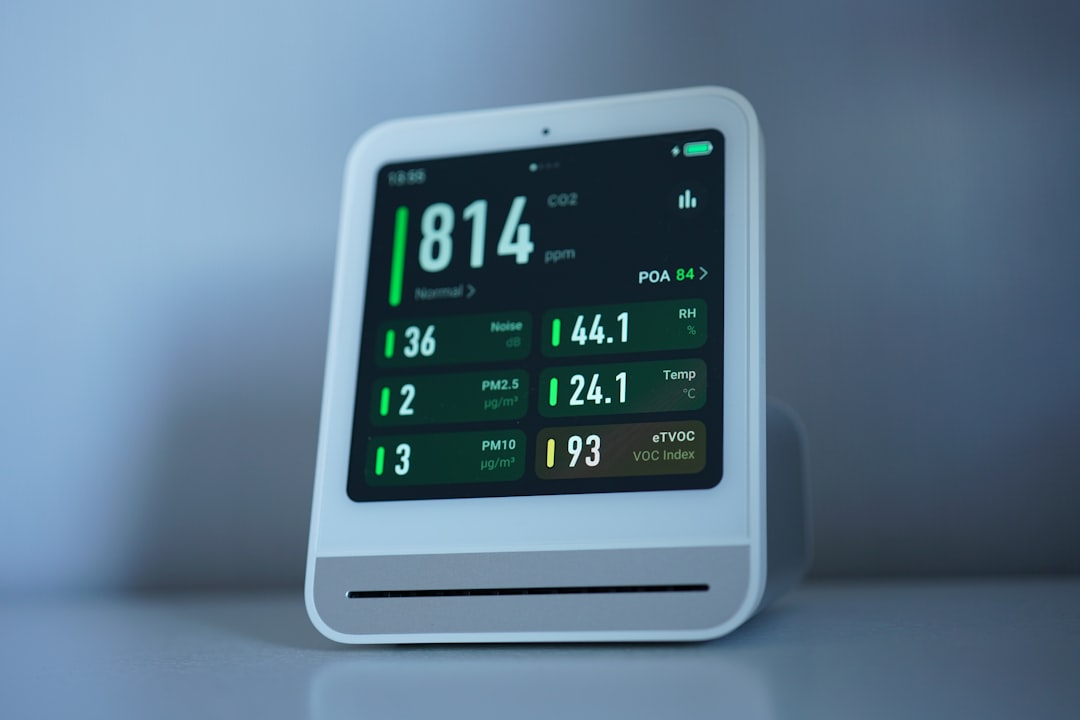
In 2026, CPT codes 98980 and 98981 introduce key updates in remote therapeutic monitoring, enhancing reimbursement for healthcare providers.
Remote therapeutic monitoring (RTM), a method widely used for tracking patients’ health outside clinical settings, is gaining additional backing from procedural refinements in 2026. Critical updates to Current Procedural Terminology (CPT) codes 98980 and 98981 are poised to benefit healthcare providers by improving reimbursement rates and codifying key management practices. Here’s what these updates mean for clinicians and their patients.
Breaking Down the 2026 Updates
CPT code 98980 now specifically applies to 20 minutes of RTM treatment management within a calendar month. It must be performed by a physician or qualified healthcare professional and includes at least one interactive communication with either the patient or a caregiver. This promotes more direct involvement in patients’ therapeutic monitoring trajectories.
In terms of reimbursement, 98980 carries a current national average of $54, representing an increase of more than $4 from the previous year. This incremental hike underscores the growing emphasis on RTM services, reflecting their importance in modern healthcare delivery.
CPT code 98981, serving as an add-on to 98980, accommodates 20 additional minutes of RTM service in the same calendar month. Unique to 98981, there is no limitation on the number of times it can be billed within the month. For instance, if RTM services extend to 40, 60, or even 80 minutes, additional increments can each be documented through this code. The current national average reimbursement for 98981 stands at $41 per 20-minute increment.
What This Means for Providers
The flexibility embedded in these updated codes is significant. Since RTM continues to emerge as a standard in chronic disease management and post-acute care, guidance like CPT codes 98980 and 98981 creates financial incentives for providers who invest time in tracking and analyzing health data remotely. Whether addressing hypertension through connected blood pressure monitors or ensuring compliance with recovery protocols, these codes streamline compensation for otherwise time-intensive tasks.
The reimbursement increases, although modest in percentage terms, symbolize broader recognition of RTM’s value. By financially incentivizing healthcare professionals to spend more time actively managing and communicating with patients, these updates encourage higher engagement levels, potentially improving patient outcomes over time.
Shifting the Telemedicine Landscape
The changes to 98980 and 98981 illustrate how RTM fits into the larger telemedicine and remote patient monitoring (RPM) framework—albeit with distinct parameters. While RPM typically encompasses physiological data (e.g., glucose levels, blood pressure), RTM focuses on therapeutic measures like medication adherence, physical therapy compliance, or behavioral interventions. Effectively distinguishing this scope ensures that both RPM and RTM programs are appropriately reimbursed without overlap.
Moreover, the uncapped structure of 98981 marks a pragmatic approach within coding policy. It provides healthcare providers with the adaptability needed to address variable patient needs comprehensively. For patients requiring frequent adjustments or closer observation, this change is particularly advantageous.
Potential Challenges
Despite these benefits, providers must remain vigilant about proper documentation and billing practices. The reliance on minute-by-minute tracking may introduce administrative hurdles, particularly for small practices without robust health IT systems. Seamless implementation of these codes requires optimized workflows for tracking time, managing patient communications, and submitting claims.
Additionally, the codes require at least one interactive communication session per month for 98980, but the term "interactive communication" remains somewhat open to interpretation. Providers must clearly document these interactions as essential therapeutic dialogues rather than routine check-ins to avoid disputes with payers.
Broader Implications
RTM continues to blur the line between in-person and digital care. As these updates show, CPT codes are evolving to reflect the realities of a rapidly digitalizing healthcare landscape. For tech-savvy providers, the changes in 98980 and 98981 point to growing opportunities for integrating smart health devices and telemedicine platforms to enhance patient engagement.
Meanwhile, insurers and policymakers are likely to monitor the utilization of these expanded RTM codes closely. Any data reflecting reduced hospital readmissions or improved patient adherence could fuel further innovations, potentially expanding the range of services eligible for reimbursement under RTM frameworks.
Conclusion
The 2026 updates to CPT codes 98980 and 98981 make strides in supporting remote therapeutic monitoring, benefiting healthcare practitioners through more equitable reimbursement for essential care. As RTM becomes an integral component of patient-centered medicine, these changes signal continued investment in solutions that promote proactive and accessible healthcare. Providers and health systems should leverage these tools strategically to enhance both operational efficiencies and patient outcomes in the years ahead.
Staff Writer
Ryan reports on fitness technology, nutrition science, and mental health.
Comments
Loading comments…


