Halifax cancer patients face radiation appointment cuts amid therapist shortage
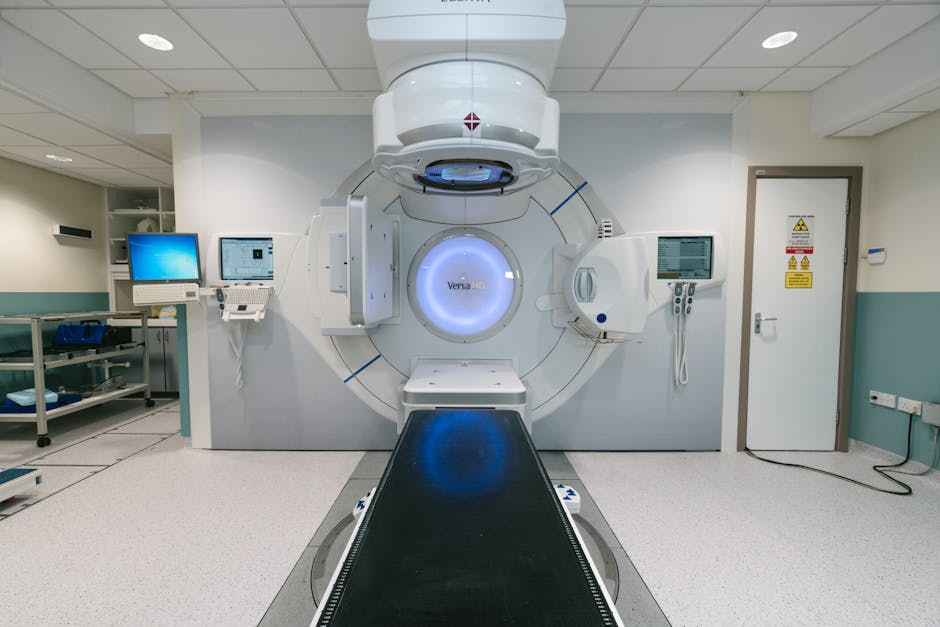
Staff shortages force Halifax Cancer Centre to roll back radiation hours, leaving patients and advocates concerned.
The shortage of radiation therapists has forced the Halifax Cancer Centre to reduce hours during which radiation therapy machines are operational, affecting one of Nova Scotia's most critical healthcare facilities. The announcement has fueled concerns from patients, staff, and healthcare advocates about the long-term impact on cancer care. According to a report, the radiation equipment at the center is being switched off 90 minutes earlier each day due to 14 unfilled therapist positions—an estimated 25% vacancy rate.
The consequences of such staffing shortages are potentially life-altering. Radiation therapy is an essential treatment for many cancer patients, often delivered under tight schedules to maximize its effectiveness. A national shortage of radiation therapists has compounded this local issue, affecting regions across Canada. However, with some of Canada’s highest cancer rates concentrated in Nova Scotia, the province faces particularly high stakes in recruiting and retaining qualified medical professionals.
"Patients Should Be Scared"
Healthcare workers at the Halifax Cancer Centre describe a sense of urgency and concern. An employee, speaking anonymously, told reporters that staff morale has been severely impacted. "People feel beaten down, like we’re not what’s important," the employee said, emphasizing that the mental and emotional toll on the workforce is growing. "They know as a profession what the consequences of this will be long-term." This sentiment is echoed by healthcare advocates who warn that time-sensitive cancer treatments could be at risk, with the rolling back of machine operating hours.
Although the Nova Scotia Health Authority argues that patient care remains a priority and claims that cases are triaged based on clinical need, anxious patients and advocates see these assurances as insufficient. According to the Authority, urgent cases are still being accommodated, but long-term solutions to fill these vacancies are not immediately clear.
A National Problem with Local Implications
The staffing crisis in Halifax is part of a nationwide shortage. Canada produces only around 100 radiation therapy graduates annually, a figure far below what is needed to fill growing gaps in the workforce. Nova Scotia currently funds two seats each year at a radiation therapy institute in Toronto, requiring those graduates to work in the province post-completion, but this approach alone has not curbed shortages.
Efforts to create a homegrown program at Dalhousie University, which would train radiation therapists within the province, have not gained traction. A bid for such a program was rejected by the provincial Treasury Board in the most recent budget. As a potential workaround, the Canadian Cancer Society has suggested leveraging collaboration with neighboring Atlantic provinces like New Brunswick and Newfoundland and Labrador to co-fund regional training programs. Leaders in these provinces have expressed openness to the idea.
A High-Stakes Battle for Talent
With demand for radiation therapists outstripping supply, provinces across Canada are competing for a limited pool of graduates. Nova Scotia’s high cancer rates make the issue even more urgent than elsewhere. Despite being pivotal to the local community, healthcare careers in the region struggle to attract and retain talent, with factors such as regional funding limitations, workload pressures, and quality of life cited as barriers.
Two new hires for Halifax's cancer center are set to begin work in May, and additional job offers have been extended. However, advocates say this is just the beginning and emphasize the need for deeper structural changes to address not only the staffing backlog but the associated burnout and morale issues that challenge recruitment.
What Comes Next?
Staff shortages are not just about numbers but also about the long-term quality of care. Advocates are calling for immediate action to significantly strengthen training programs, improve working conditions, and address burnout among medical staff. With neighboring provinces expressing willingness to collaborate on training initiatives, Nova Scotia has an opportunity to lead in addressing this emergency regionally.
Still, while structural fixes are explored, Halifax Cancer Centre patients and employees remain caught in a precarious situation. For now, care prioritization through triaging remains the stopgap measure, leaving many concerned about what delays could mean for survival rates and outcomes in a province that already carries significant cancer-related burdens.
Staff Writer
Lauren covers medical research, public health policy, and wellness trends.
Comments
Loading comments…


