Hume Band Review: 8 Insights Before You Decide
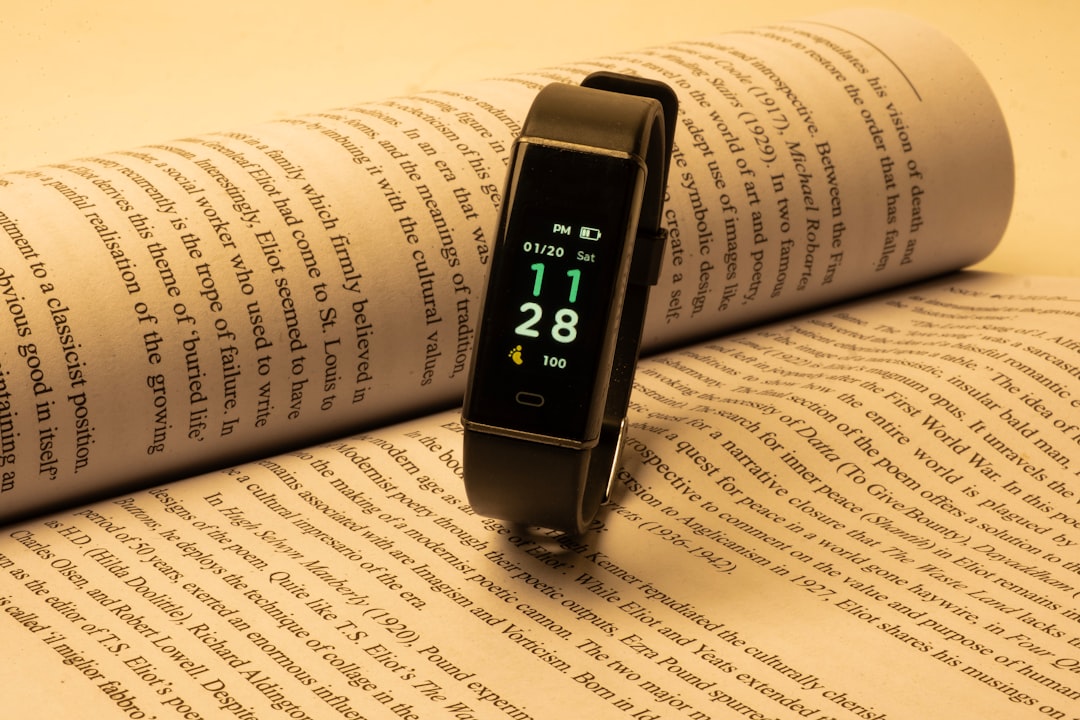
The Hume Band offers energy and habit tracking features, but is it right for you? Here's a breakdown of what you should know before making a purchase.
The market for wearable health trackers has become increasingly saturated, with options catering to both casual users and hardcore fitness enthusiasts. The Hume Band occupies a niche within this space, focusing on long-term capacity and momentum trends rather than immediate fitness metrics like step counts or heart rate during exercise. After extensive hands-on use, here are eight crucial things you should know before buying a Hume Band.
1. What the Hume Band Tracks
Unlike traditional fitness trackers that push daily step counts or calories burned, the Hume Band offers a deeper look into metabolic health trends. The two core metrics it tracks are:
- Capacity: Your current metabolic health score—essentially a measure of your energy levels based on your recent habits.
- Momentum: A trend that indicates whether your daily choices are building up healthy habits over time or detracting from them.
In practice, users are encouraged to check their Capacity score in the morning to align their expectations for the day—whether that means toning down strenuous workouts, hydrating more, or planning an early bedtime. Momentum, on the other hand, is not something you monitor constantly. Instead, it's best viewed weekly to assess whether your lifestyle changes are moving in the right direction.
2. Minimal Distractions
One of the Hume Band’s appealing features is its lack of constant buzzing and alerts. There's no disruptive vibrational reminder to move or complete tasks. Instead, you open the companion app to voluntarily view insights and trends. This is an intentional design choice aimed at fostering long-term habit changes instead of enabling on-the-spot interventions.
However, don't expect the Hume Band to replace your sports watch. It doesn’t offer live metrics like heart rate splits or rep timers, so if you’re heavily into tracking during your workouts, pairing the Hume Band with a more workout-specific wearable might be necessary.
3. Sleep Tracking Nuances
The Hume Band has a unique approach to sleep tracking, as it separates overnight sleep from additional naps during the day. While this can initially appear confusing, these discrete contexts eventually help paint a more detailed picture of your sleep habits. That said, the lack of quick-access metrics for core sleep phases like deep and REM sleep can leave certain users wanting more, especially those who prioritize this data for recovery planning.
Marking triggers within the app—like late-night caffeine or meal consumption—reveals more predictable patterns regarding how lifestyle choices impact sleep and overall momentum. This feature aids in making tangible adjustments, such as setting up a caffeine cut-off time or implementing short breathing exercises.
4. Comfort and Durability
A wearable's design is critical, and the Hume Band scores reasonably well here. Its IP68 waterproof rating ensures it can easily handle showers and swims. However, the strap tends to retain moisture, which means you’ll need to pat it dry before wearing it again—especially if you’ve just come out of the water or plan on donning a long sleeve.
Battery life is another high point. The band is designed for multi-day use, requiring only short charges. Think of it like charging an electric toothbrush; dock it during small moments, like while you’re at your desk, and you’re good to go.
5. Habit Tracking, Not Real-Time Metrics
If you're considering the Hume Band for active tracking during strength training or golf sessions, you might be disappointed. Activities like these don’t always register as "active" within the app because the tracker is optimized for broader metabolic trends. For those who need specific workout stats, pairing it with a sports watch is recommended. This combination allows the Hume Band to handle long-term habit formation while another device provides detailed activity monitoring.
6. Free App vs. Premium Tier
The Hume Band’s app comes with a free tier that provides access to the core metrics sufficient for identifying and understanding your rhythm. This includes insights into the interplay between your Capacity and Momentum metrics. For users seeking deeper guidance, a premium subscription unlocks coaching features and more in-depth analysis.
For beginners, starting with the free tier is pragmatic. Test the waters, build the essential habits around sleep and caffeine intake, and only upgrade to the premium tier if you feel the extra guidance will genuinely enhance your experience. The subscription’s value ultimately depends on how much coaching you desire.
7. Potential Features on the Horizon
There are discussions about adding new functionality, such as blood pressure visualization, directly into the Hume Band ecosystem. However, as of now, this feature is not available. Prospective buyers should focus on what’s currently offered instead of banking on future upgrades when making their purchase decision.
8. Paired Devices Extend Functionality
Beyond the band itself, Hume has created an ecosystem that includes devices like the Body Pod Smart Scale. This scale tracks changes in body composition over time, including weight, body fat percentage, muscle mass, and more. When used in conjunction with the Hume Band, users can compare daily habit trends (tracked by the band) with weekly physical results (measured by the Body Pod).
This holistic approach offers a more complete view of how daily choices affect broader health trends, potentially making it a worthwhile investment for individuals eager to focus on long-term outcomes.
Final Takeaways
The Hume Band is not for everyone. If you're looking for an all-in-one fitness device to track live workout metrics and physiological data in real time, this isn’t it. What sets the Hume Band apart is its focus on nudging thoughtful habits—energy management, better sleep, and gradual long-term improvements. It’s for people who care more about direction than moment-to-moment details.
Consider the Hume Band if:
- You’re interested in tracking metabolic health trends over specific fitness stats.
- You prefer minimal distractions and don’t need constant reminders to move.
- You value a tool for shaping long-term habits rather than short-term actions.
With a 30-day money-back guarantee, the risk is relatively minimal if you decide it’s not the right fit. For those open to a more reflective and habit-oriented journey in health tracking, the Hume Band might be just what you’ve been looking for.
Staff Writer
Ryan reports on fitness technology, nutrition science, and mental health.
Comments
Loading comments…


