How to Build Muscle: A Comprehensive 5-Level Guide
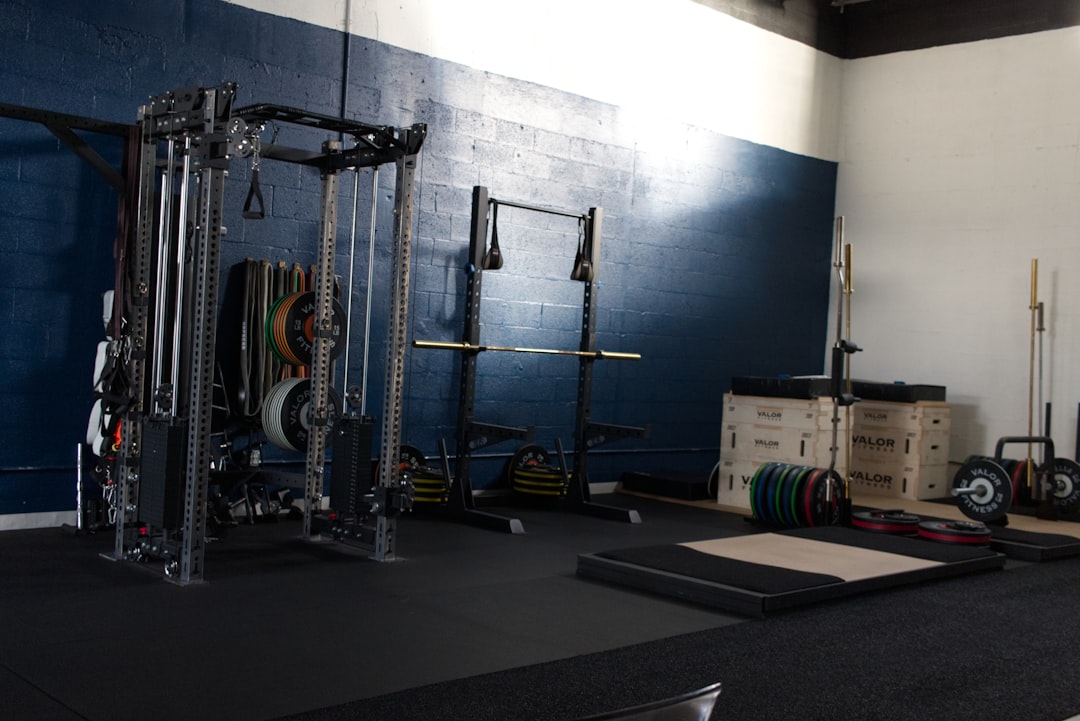
Learn how to build muscle effectively with our 5-level guide, covering protein intake, progressive overload, training volume, and more.
Building muscle takes more than just hitting the gym; it requires a structured approach based on science. This 5-level guide aims to provide readers with a clear roadmap to improving muscle growth, breaking down each level of the process into its most essential elements.
Level 1: The Basics — Protein and Weight Training
At its most basic level, building muscle comes down to lifting weights and eating protein. Protein is a key macronutrient found in foods such as chicken, fish, beans, dairy, and protein powders. Weight training, meanwhile, signals your muscles to adapt by growing larger and stronger to handle the physical demands.
Think of this adaptation like playing a guitar: when your fingertips press against the strings, they develop callouses over time to make the process less painful. Similarly, muscles grow in response to lifting weights, provided you give your body enough protein to act as building blocks. These building blocks are amino acids, which are integral for muscle repair and growth.
However, while lifting weights and eating protein are a good starting point, they won’t sustain long-term muscle gains alone.
Level 2: Progressive Overload
One essential component that takes muscle growth to the next level is progressive overload. This principle refers to gradually increasing the stress placed on your muscles over time. Without it, your muscles will adapt to the same workload, leading to a plateau in growth.
Progressive overload can be achieved in several ways:
- Adding more weight: Increase the load during your sets.
- Adding more reps: Perform additional repetitions with the same weight.
- Adding more sets: Include extra sets in your training.
- Focusing on form: Use controlled tempo and emphasize the mind-muscle connection.
For example, if you do three sets of 10 reps for bicep curls one week, aim to increase to three sets of 11 reps in the next session, or add more weight while reducing reps temporarily. The key is consistent and incremental progress.
Level 3: Protein Intake for Maximum Growth
While "eat protein" is a solid starting point, optimizing your protein intake can enhance muscle-building results. Research suggests that consuming between 1.6 to 2.2 grams of protein per kilogram of body weight daily is ideal. For instance, if you weigh 165 lbs (75 kg), aim for 120–165 grams of protein per day.
If you're overweight, a better guideline is consuming 1 gram of protein per centimeter of height. For example, someone who is 5'9" (175 cm) would aim for 175 grams of protein daily, ensuring their intake supports muscle growth without being excessive.
While evenly spacing protein intake across 3–5 meals may offer a slight advantage, the primary focus should be on hitting your total daily protein target. Consistency matters more than timing nuances for most people.
Level 4: Optimizing Acute Training Variables
Once you’ve mastered progressive overload and protein intake, the next step is fine-tuning your training variables, including effort, volume, intensity, exercise selection, and frequency.
Effort: Training to Failure vs. Leaving Reps in Reserve
There’s an ongoing debate about how hard you need to push in the gym. Research shows that sets don’t need to be taken to absolute failure every time. Most of your sets should be within 2–3 reps of failure, which provides sufficient stimulus without compromising recovery.
Volume: How Many Sets and Reps?
Training volume refers to the total number of hard sets performed per muscle group each week. A general sweet spot appears to be 10–20 sets per muscle, per week. For example, if you train your chest on Monday and Thursday, aim for 5–10 hard sets per session to total 10–20 weekly sets.
Intensity: Heavy vs. Light Weights
The weight you lift (intensity) can range from low reps with heavy weights to high reps with lighter weights. Both approaches work for muscle growth, provided you’re training close to failure. That said, a balanced approach focusing primarily on the 6–12 rep range is practical for most.
Exercise Selection and Frequency
Compound movements like squats, presses, and rows target multiple muscle groups simultaneously and should form the backbone of your routine. Isolation exercises, such as bicep curls and lateral raises, are useful for addressing smaller muscle groups. Aim to hit each muscle group at least twice per week for optimal growth.
Level 5: Physiological Drivers of Muscle Growth
At the most advanced level, understanding the physiological drivers of muscle growth can help fine-tune your training further. Dr. Brad Schoenfeld’s "three-factor model" highlights:
- Mechanical Tension: The primary driver of hypertrophy. This tension occurs when muscles contract under heavy loads or stretch under resistance.
- Muscle Damage: While commonly associated with soreness, muscle damage is not as crucial to growth as once believed. Excessive damage can hinder recovery.
- Metabolic Stress: Often linked to the pump or the burning sensation from high-rep sets. While the pump feels great, it doesn’t directly drive growth as effectively as mechanical tension.
Prioritize exercises and techniques that maximize mechanical tension, such as slower eccentric motions and heavy lifts with good form.
Practical Takeaways
- Lift progressively heavier: Ensure your muscles face increasing challenges to continue adapting.
- Hit a daily protein target: Aim for 1.6–2.2 g/kg of body weight or use height-based guidelines if overweight.
- Balance effort and recovery: Most sets should be completed within 2–3 reps of muscular failure.
- Optimize training volume: Perform 10–20 sets per muscle group weekly for balanced gains.
- Emphasize mechanical tension: Prioritize proper form and adequate loads to maximize hypertrophy.
Conclusion
Building muscle is a process that combines proper nutrition, smart training strategies like progressive overload, and optimizing training variables. While advanced concepts can improve your results, consistency in protein intake and structured weight training remains the foundation for success. By following these five levels of complexity, you can tailor your approach to suit your needs and experience level, ensuring sustained muscle growth over time.
Staff Writer
Lauren covers medical research, public health policy, and wellness trends.
Comments
Loading comments…


