Iowa health update shows decreases in RSV and COVID-19 cases
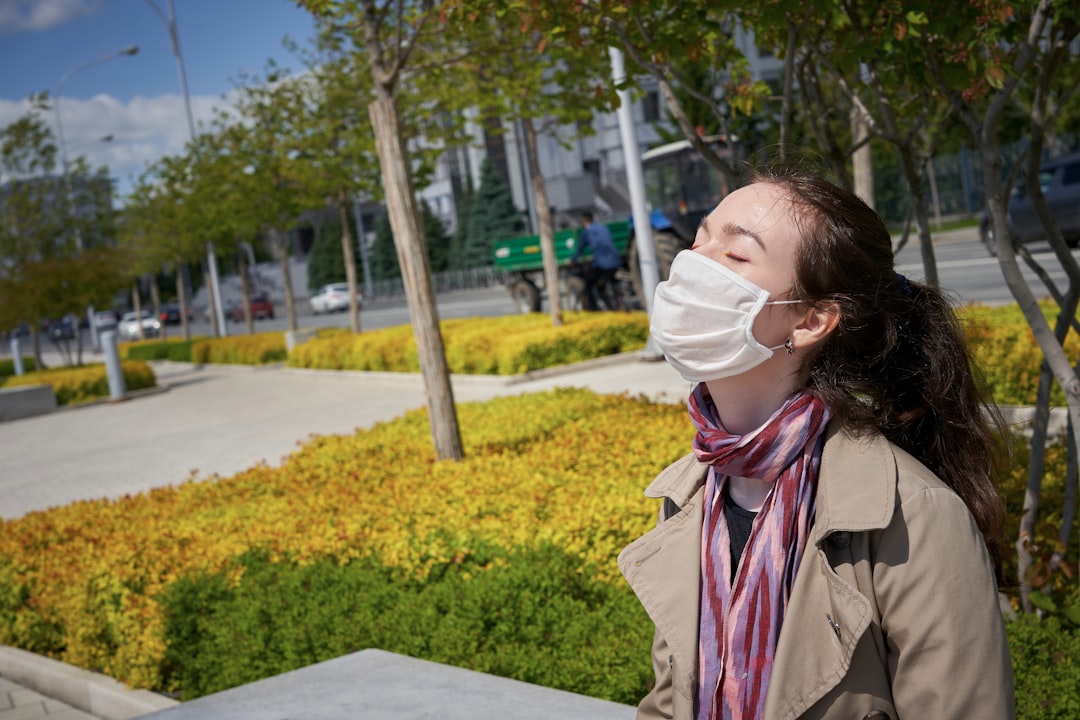
RSV and COVID-19 rates are declining in Iowa, but influenza activity remains high as the state reports updated public health trends.
Public health data released for Iowa shows encouraging trends for respiratory illnesses, with reported decreases in rates of Respiratory Syncytial Virus (RSV) and COVID-19. However, influenza levels remain a concern, continuing at high activity levels across the state.
RSV Rates: A Step Down
RSV infections, which were categorized as "very high" in Iowa just a week ago, have seen a slight improvement and are now labeled "high," according to the latest state report. This transition points toward a positive trend, though health officials caution that RSV remains a significant concern. The data, which encompasses the period from March 15 to March 21, hints at progress but underscores the need for ongoing preventive measures to sustain this downward trajectory. Parents, caregivers, and other high-risk groups are advised to remain vigilant against the viral threat.
COVID-19: Downward but Not Gone
The report also shows progress in Iowa’s battle against COVID-19. While the virus's prevalence is decreasing, the disease continues to claim lives. Between March 15 and March 21, six COVID-19-related deaths were recorded, bringing the pandemic's total in the state to 120 fatalities since November of last year. While these numbers reflect a gradual decline in severity, COVID-19 continues to pose risks, especially to vulnerable populations. The figures serve as a reminder for Iowans to continue vaccination efforts, monitor symptoms, and engage in responsible health behavior.
Influenza: A Persistent Threat
While RSV and COVID-19 are seeing improvements, influenza remains a steady presence in Iowa's public health landscape. Despite being late in the traditional flu season, flu activity is still considered "high." The most recent data includes three new influenza-related deaths, contributing to a total of 158 since November 2023. This makes influenza the deadliest respiratory illness in the state currently, vastly surpassing COVID-19 deaths during the same timeframe.
"While spring is arriving and we’re all eager for warmer weather, this is the time to double down on protective measures like handwashing, covering coughs, and staying home when sick," a reminder commonly echoed by public health officials.
The Bigger Picture for Iowa’s Public Health
The decreases in RSV and COVID-19 rates represent a promising shift in Iowa’s health indicators after months of elevated activity in respiratory illnesses. Yet, with influenza being responsible for more deaths than either condition since late 2023, it is imperative for communities to remain cautious. Health measures such as vaccination, frequent handwashing, mask-wearing in crowded indoor settings, and maintaining cleanliness can play a vital role in curbing illness. The trend also demonstrates how seasonality in respiratory illnesses—combined with vaccination campaigns and improving weather conditions—can impact public health outcomes.
Why It Matters
Iowa's latest health numbers underscore two critical themes: progress and persistence. While RSV and COVID-19 rates show encouraging declines, influenza serves as a potent reminder of how easily health systems can become strained when illnesses overlap. For a state navigating the post-emergency phase of the pandemic, public health vigilance still matters.
As the state moves into spring, Iowans have reasons to be optimistic but should remain watchful. The public is urged to keep an eye on upcoming health data, especially for vulnerable groups who might still face challenges from respiratory illnesses.
This report reflects a short-term snapshot of Iowa’s public health landscape, but the trends suggest that continued commitment to preventive practices will be key in turning hopeful signs into long-term success. For Iowa, this means battling three respiratory foes at once—and reminding everyone that while progress is worth celebrating, the fight continues.
Staff Writer
Ryan reports on fitness technology, nutrition science, and mental health.
Comments
Loading comments…


