Key Updates in Health: Supreme Court Cases, Cancer Predictions, and Medical Policies
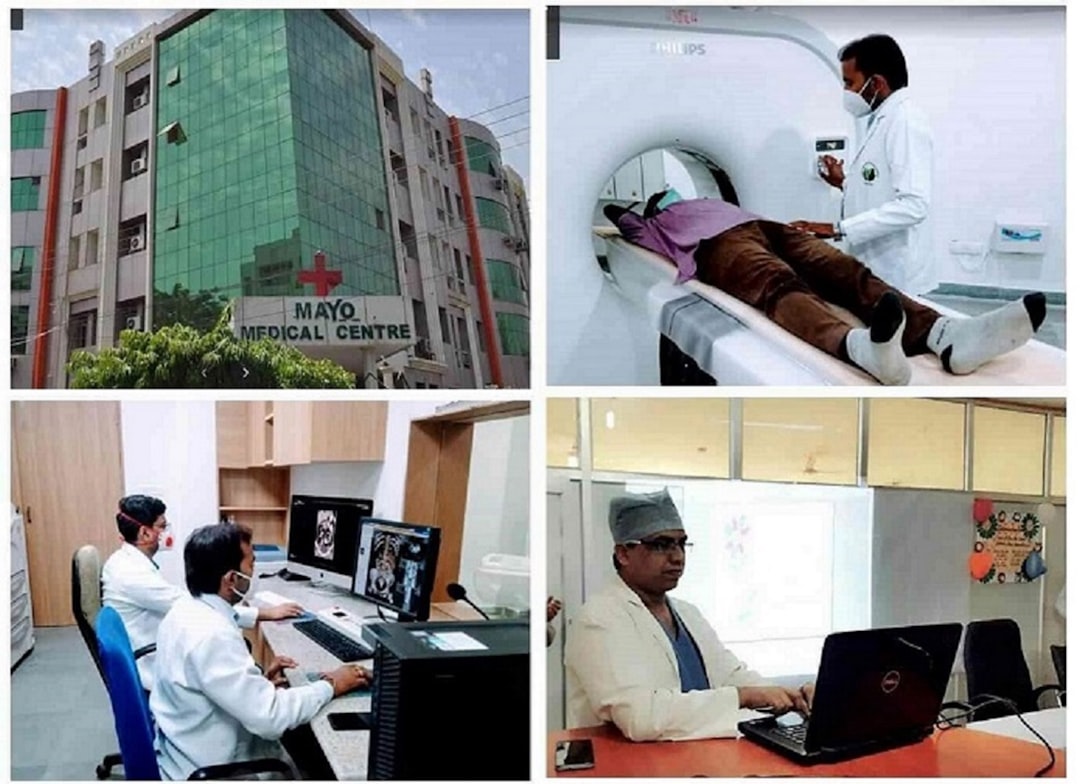
Discover the latest health updates, including changes to NEET PG 2025 cutoff criteria, India's rising cancer cases, and FMG internship delays.
Health and medical developments remain a crucial topic of interest globally, especially in fields that impact education, practice, and public health policies. This week, several significant updates have surfaced, ranging from debates over the NEET PG 2025 cutoff, FMG internship delays, to alarming predictions about cancer cases in India. Let’s dive deeper into these key updates.
Supreme Court Takes Up NEET PG 2025 Cutoff Debate
The Supreme Court of India has issued a notice to the National Board of Examination in Medical Sciences (NBEMS) and the National Medical Commission (NMC) regarding a drastic reduction in the qualifying cutoff percentile for NEET PG 2025. This action stems from a public interest litigation challenging a January 2026 notification that lowered the cutoff threshold significantly, even allowing for zero or negative scores to qualify.
A bench led by Justice Pierce Narima and Justice Aloc Arade reviewed the case and scheduled the next hearing for February 6, 2026. Notices were sent to the Union Government, NBEMS, the NMC, and other involved entities, requesting a response within one week. This decision has raised questions about maintaining academic and professional standards in medical education.
FMG Internship Placement Delays: A West Bengal Controversy
A viral video has drawn attention to the plight of foreign medical graduates (FMGs) in West Bengal. In the footage, an official from the state health department faces criticism for prolonged delays in internship placements for those who passed the Foreign Medical Graduate Examination (FMGE) in June 2025. Despite waiting over six months, many graduates have not been allotted internships.
In the video, a frustrated FMG questions why other states have managed to provide placements while West Bengal has not. The official responded by stating that no vacancies were available, suggesting that students take their complaints to the high court if they wished to dispute the matter. This incident has sparked tension between the FMG community and the state health department, emphasizing the need for better management of medical education and workforce integration.
Debates Over Resident Doctors’ Working Hours
Resident doctors’ long and challenging working hours have been a long-standing issue in the Indian medical field. Addressing a related Supreme Court case, the National Medical Commission (NMC) has presented a counter-affidavit emphasizing its commitment to improving doctors' working conditions. The NMC cited the Post-Graduate Medical Education Regulation 2023, which aligns with the Residency Scheme 1992, as proof of its efforts to ensure "reasonable working hours" and "adequate rest time."
However, the NMC has refrained from enforcing a fixed numerical limit on working hours due to varying patient loads and specialty-specific demands across institutions. While this approach allows tailored solutions, it has received mixed views from healthcare professionals who continue to advocate for clear, enforceable guidelines.
India's Alarming Cancer Predictions for 2045
Health experts are warning of a sharp rise in cancer cases in India over the next two decades. Current statistics show approximately 1.5 million new cancer diagnoses annually, but this number is expected to rise to over 2.45 million by 2045. The Indian Cancer Society has urged policymakers to focus on early detection, education, and prevention to tackle this growing crisis.
The Union Budget for 2026-2027 has introduced measures to combat this challenge, including providing custom duty exemptions on certain cancer drugs and boosting domestic biopharma manufacturing. While these steps aim to improve access to treatment, experts stress that a long-term cancer strategy must prioritize lifestyle changes, screening programs, and awareness campaigns.
Practical Takeaways from Recent Health Updates
- For Medical Aspirants: The controversy over NEET PG 2025's cutoff highlights the importance of staying informed about changes in examination criteria. Prospective candidates should monitor updates from trusted medical boards and prepare for possible legal outcomes.
- For FMGs: The delays in internship placements underscore the need for clear and consistent policies across states. Advocacy groups and student organizations play a crucial role in shedding light on such administrative shortcomings.
- For Policymakers: As cancer predictions reveal a troubling future, more emphasis is needed on preventive health programs. Early screenings and public education may significantly curb the anticipated rise in cases.
- For Healthcare Workers: Discussions about working hours call for a balance between patient care and doctors’ well-being. Institutions need structured policies that address both workload flexibility and workforce shortages.
Conclusion
From courtroom debates to public health warnings, the latest developments in India’s medical sphere reflect the dynamic challenges faced by professionals and policymakers. Addressing these issues requires a joint effort across educational institutions, healthcare entities, and government regulators to ensure equitable, effective, and sustainable solutions for all stakeholders. As news unfolds, staying updated remains crucial for those impacted directly or indirectly by these developments.
Staff Writer
Ryan reports on fitness technology, nutrition science, and mental health.
Comments
Loading comments…


